

Can a cutting wheel be used for wet cutting?
As a cutting wheel supplier deeply entrenched in the industry, I often encounter a wide range of questions from customers. One query that has been coming up quite frequently lately is whether a cutting wheel can be used for wet cutting. In this blog, I'll delve into this topic, exploring the technical aspects, advantages, potential drawbacks, and best - practices related to using cutting wheels for wet cutting.
Understanding Cutting Wheels
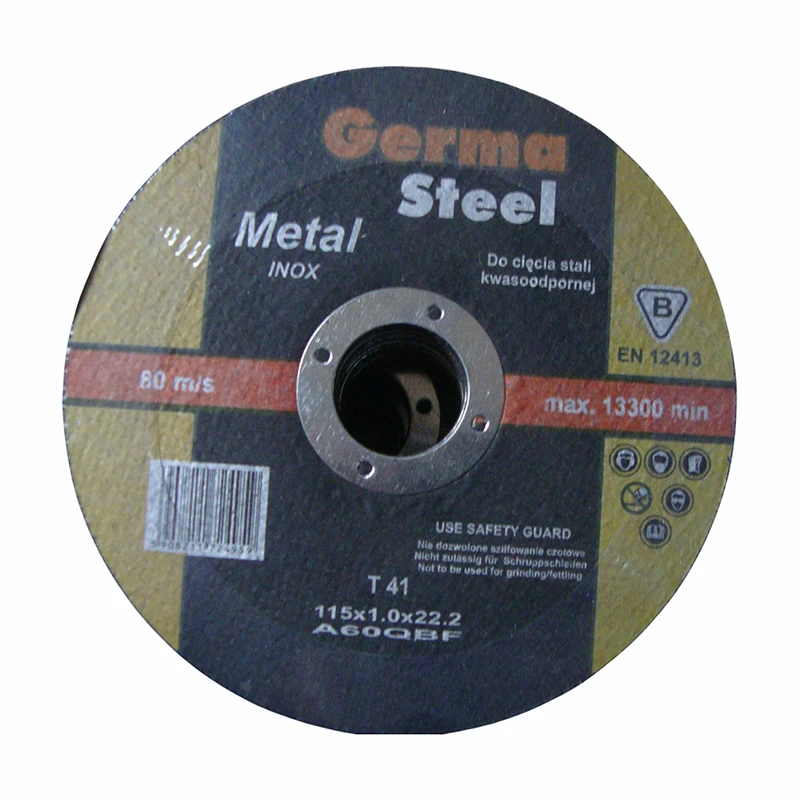
Before we discuss wet cutting, it's essential to understand what cutting wheels are. Cutting wheels are abrasive discs designed to cut through various materials, including metals, ceramics, and stones. They come in different sizes, compositions, and grits, each tailored to specific cutting applications. For instance, Cutting Wheels for Stainless Steel are engineered to handle the unique properties of stainless steel, such as its hardness and corrosion - resistance. Similarly, Industrial Cutting Wheels for Metal are built to cut through a variety of metals in industrial settings.
Can Cutting Wheels Be Used for Wet Cutting?
The short answer is yes, in many cases, cutting wheels can be used for wet cutting. However, there are several factors to consider.
Compatibility of Materials
- Abrasive Material: Different abrasives react differently to water. For example, some ceramic abrasives are highly resistant to water and can maintain their cutting performance even when wet. On the other hand, certain resin - bonded abrasives may not perform as well because water can potentially soften the resin bond over time, leading to a decrease in the wheel's structural integrity.
- Cutting Material: The material being cut also plays a crucial role. When cutting metals, wet cutting can be highly beneficial as it helps to cool the cutting area, reducing the risk of heat - induced damage such as warping or hardening of the metal. For non - metallic materials like stone or ceramic, wet cutting can help to suppress dust, which is a major health hazard in dry cutting operations.
Design and Construction
- Porosity: A cutting wheel's porosity affects its suitability for wet cutting. Wheels with high porosity can allow water to penetrate more easily, which helps in cooling and flushing away debris. This prevents the wheel from clogging and ensures a more efficient cutting process.
- Bond Type: The type of bond used in the cutting wheel is another important factor. Some bonds, such as vitrified bonds, are very stable in wet environments and can withstand the constant exposure to water without significant degradation.
Advantages of Wet Cutting with Cutting Wheels
- Cooling Effect: One of the most significant advantages of wet cutting is the cooling effect. When a cutting wheel is in contact with the material being cut, a large amount of heat is generated due to friction. This heat can cause the cutting wheel to wear out faster and can also damage the material being cut. By using water as a coolant, the temperature at the cutting interface is significantly reduced, extending the lifespan of the cutting wheel and improving the quality of the cut.
- Dust Suppression: Wet cutting effectively suppresses dust. In applications where the material being cut generates fine dust particles, such as when cutting stone or concrete, the dust can be a serious health hazard if inhaled. Water prevents the dust from becoming airborne, creating a safer working environment for operators.
- Smoother Cuts: The presence of water can act as a lubricant between the cutting wheel and the material, reducing friction and allowing for smoother cuts. This results in a cleaner finish on the cut surface and can also reduce the amount of post - cutting processing required.
Potential Drawbacks of Wet Cutting
- Rust and Corrosion: If cutting metal, the constant presence of water can lead to rust and corrosion on both the cutting wheel and the equipment used. This can not only damage the cutting wheel but also affect the performance and lifespan of other cutting tools and machinery.
- Contamination: The water used in wet cutting can become contaminated with debris and abrasive particles from the cutting process. If this contaminated water is not properly filtered and recycled, it can cause problems in the cutting system, such as clogging of nozzles or damage to pumps.
- Incompatible Cutting Wheels: As mentioned earlier, some cutting wheels may not be suitable for wet cutting due to the nature of their abrasive material or bond. Using an incompatible wheel for wet cutting can lead to a significant decrease in performance and may even cause the wheel to break apart during operation.
Best Practices for Wet Cutting with Cutting Wheels
- Choose the Right Cutting Wheel: Select a cutting wheel specifically designed for wet cutting. Look for wheels with high - quality abrasives and bonds that are resistant to water. Check the manufacturer's specifications to ensure compatibility with wet cutting applications.
- Proper Water Supply and Filtration: Ensure a consistent and adequate water supply during the cutting process. The water should be clean and free of contaminants. It's also important to have a proper filtration system in place to remove debris and abrasive particles from the water, preventing clogging and damage to the cutting equipment.
- Maintenance: Regularly inspect the cutting wheel and equipment for signs of rust, corrosion, or wear. Clean and dry the cutting wheel after each use to prevent damage. Follow the manufacturer's maintenance recommendations for both the cutting wheel and the wet - cutting equipment.
Conclusion
In conclusion, a cutting wheel can be used for wet cutting in many cases, but it requires careful consideration of various factors such as material compatibility, design, and maintenance. The advantages of wet cutting, including cooling, dust suppression, and smoother cuts, make it an attractive option for many applications. However, the potential drawbacks, such as rust and contamination, need to be managed effectively.
If you're interested in purchasing cutting wheels for wet or dry cutting applications, I invite you to contact us to discuss your specific requirements. Our team of experts can help you select the right cutting wheel for your needs and provide you with all the support and advice you need to ensure a successful cutting operation.
References
- "Abrasive Technology Handbook", Industrial Abrasives Institute.
- "Cutting Wheel Materials and Applications", Journal of Materials Processing.