

Can an abrasive belt be used in a handheld grinder? This is a question that often pops up among DIY enthusiasts, professional craftsmen, and those involved in various grinding and sanding projects. As an experienced abrasive belt supplier, I'm here to shed light on this topic and provide you with comprehensive insights.

Understanding Abrasive Belts and Handheld Grinders
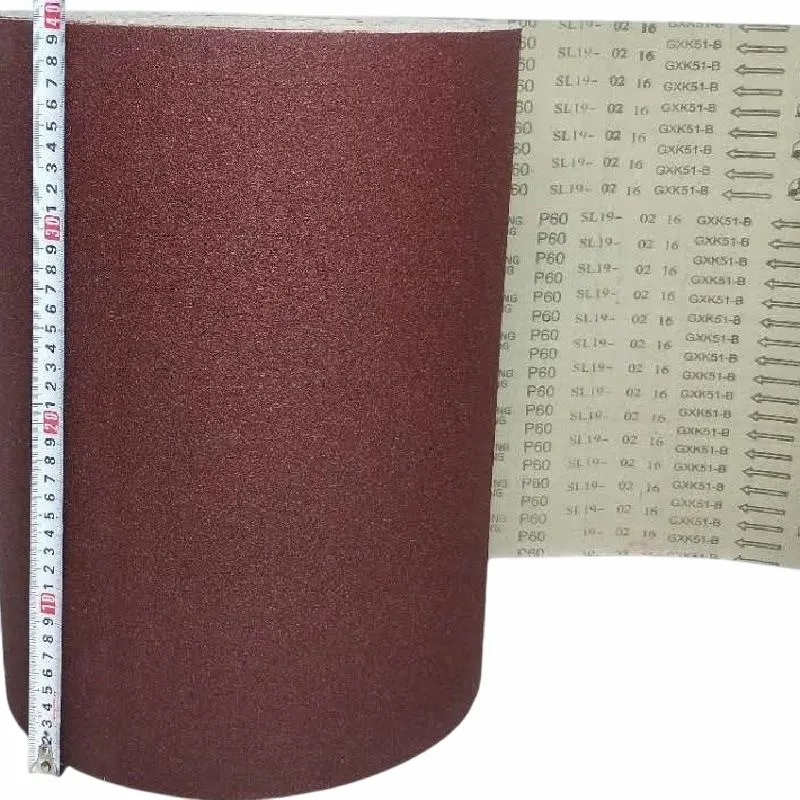
Before we delve into whether an abrasive belt can be used in a handheld grinder, let's first understand what these two tools are. Abrasive belts are flexible strips coated with abrasive materials such as aluminum oxide, silicon carbide, or zirconia alumina. These belts come in various grit sizes, from coarse to fine, and are used for a wide range of applications, including sanding, grinding, deburring, and finishing.
On the other hand, handheld grinders are power tools that are designed to hold and rotate abrasive discs or wheels. They are commonly used for cutting, grinding, and polishing metal, stone, and other materials. Handheld grinders come in different sizes and power ratings, and they can be either electric or pneumatic.
Compatibility Considerations
The short answer to the question "Can an abrasive belt be used in a handheld grinder?" is yes, but with some important considerations. While most handheld grinders are designed to work with abrasive discs, there are certain models that can be adapted to use abrasive belts. These specialized grinders are often referred to as belt grinders or belt sanders.
When considering using an abrasive belt in a handheld grinder, you need to ensure that the grinder is compatible with the belt in terms of size, speed, and power. The belt size should match the grinder's specifications, and the grinder should be able to operate at the recommended speed for the belt. Additionally, the grinder's power should be sufficient to drive the belt effectively.
Advantages of Using Abrasive Belts in Handheld Grinders
There are several advantages to using abrasive belts in handheld grinders. Firstly, abrasive belts offer a larger contact area compared to abrasive discs, which means they can remove material more quickly and efficiently. This makes them ideal for heavy-duty grinding and sanding tasks.
Secondly, abrasive belts are more flexible than abrasive discs, which allows them to conform to irregular surfaces and contours. This makes them suitable for sanding and finishing curved or uneven surfaces, such as wood furniture, automotive parts, and metal sculptures.
Thirdly, abrasive belts can be easily changed, which means you can switch between different grit sizes and abrasive materials depending on the task at hand. This makes them a versatile tool for a wide range of applications.
Disadvantages of Using Abrasive Belts in Handheld Grinders
While there are many advantages to using abrasive belts in handheld grinders, there are also some disadvantages to consider. Firstly, abrasive belts require a special adapter or attachment to be used in a handheld grinder, which can add to the cost and complexity of the setup.
Secondly, abrasive belts can be more difficult to control than abrasive discs, especially when working on small or delicate surfaces. This requires a certain level of skill and experience to use effectively.
Thirdly, abrasive belts can generate a lot of dust and debris, which can be a health hazard if not properly managed. It is important to wear appropriate personal protective equipment, such as a dust mask and safety glasses, when using abrasive belts in a handheld grinder.
Choosing the Right Abrasive Belt for Your Handheld Grinder
When choosing an abrasive belt for your handheld grinder, there are several factors to consider. Firstly, you need to consider the type of material you will be working on. Different abrasive materials are suitable for different types of materials, so it is important to choose the right one for the job.
Secondly, you need to consider the grit size of the abrasive belt. The grit size determines the coarseness of the belt, and it affects the rate of material removal and the finish quality. For heavy-duty grinding and material removal, a coarse grit belt is recommended, while a fine grit belt is suitable for finishing and polishing.
Thirdly, you need to consider the backing material of the abrasive belt. The backing material affects the flexibility, durability, and strength of the belt. Common backing materials include cloth, paper, and polyester film.
Where to Find High-Quality Abrasive Belts
As an abrasive belt supplier, I understand the importance of providing high-quality products to my customers. That's why I offer a wide range of Custom Abrasive Sanding Belts that are designed to meet the needs of various industries and applications.
In addition to abrasive belts, I also offer Abrasive Cloth Backed Rolls and Black SiC Waterproof Abrasive Paper. These products are made from high-quality materials and are designed to provide excellent performance and durability.
Contact Us for Your Abrasive Belt Needs
If you are interested in purchasing abrasive belts or other abrasive products, I encourage you to contact us for more information. Our team of experts is always ready to assist you in choosing the right products for your needs and providing you with the best possible service.
Whether you are a DIY enthusiast, a professional craftsman, or a large-scale manufacturer, we have the products and expertise to meet your abrasive needs. So, don't hesitate to get in touch with us and start using high-quality abrasive belts in your handheld grinder today.
References
- American National Standards Institute (ANSI). (2019). Safety requirements for portable abrasive tools. ANSI B7.1-2019.
- International Organization for Standardization (ISO). (2017). Coated abrasives - Dimensions - Part 1: Abrasive belts. ISO 6344-1:2017.
- Norton Abrasives. (n.d.). Abrasive belt selection guide. Retrieved from [Website URL]