

Can an Abrasive Belt be Used in a Vacuum Environment?
As an established supplier of abrasive belts, I've encountered numerous inquiries regarding the applicability of our products in various environments. One question that often arises is whether an abrasive belt can be used in a vacuum environment. In this blog post, I'll delve into the technical aspects of this question, exploring the characteristics of abrasive belts and the challenges presented by vacuum conditions.
Understanding Abrasive Belts
Abrasive belts are versatile tools used in a wide range of industries for material removal, surface finishing, and shaping. They consist of an abrasive material, such as aluminum oxide, silicon carbide, or ceramic grains, bonded to a flexible backing material like cloth, paper, or polyester film. The type of abrasive and backing material used depends on the specific application and the material being processed.
The performance of an abrasive belt is determined by several factors, including the grit size, bond strength, and the flexibility of the backing material. Coarser grit sizes are used for rapid material removal, while finer grits are employed for polishing and finishing. The bond strength affects the durability of the belt, ensuring that the abrasive grains remain firmly attached during use. The flexibility of the backing material allows the belt to conform to the shape of the workpiece, making it suitable for both flat and curved surfaces.
Challenges of Using Abrasive Belts in a Vacuum Environment
A vacuum environment presents several challenges that can affect the performance and durability of abrasive belts. One of the primary concerns is the lack of air, which plays a crucial role in the cooling and lubrication of the abrasive process. In a normal atmosphere, air helps to dissipate heat generated during abrasion, preventing the belt from overheating and reducing the risk of workpiece damage. In a vacuum, however, there is no air to carry away the heat, leading to a significant increase in temperature.
This rise in temperature can have several detrimental effects on the abrasive belt. Firstly, it can cause the bond material to soften or break down, leading to premature wear and loss of abrasive grains. Secondly, the heat can cause the backing material to become brittle and prone to cracking, reducing the belt's flexibility and durability. Additionally, the lack of air can also affect the lubrication of the abrasive process, increasing friction and wear on the belt.
Another challenge of using abrasive belts in a vacuum environment is the presence of dust and debris. During the abrasive process, fine particles are generated as the abrasive grains wear down the workpiece. In a normal atmosphere, these particles are carried away by the air, preventing them from accumulating on the belt and interfering with the abrasive action. In a vacuum, however, there is no air to carry away the dust, leading to a buildup of debris on the belt surface.
This buildup of dust and debris can have several negative effects on the performance of the abrasive belt. Firstly, it can clog the pores of the abrasive material, reducing its cutting efficiency and increasing the risk of workpiece damage. Secondly, the dust can act as an abrasive itself, causing additional wear on the belt and reducing its lifespan. Additionally, the accumulation of dust can also pose a safety hazard, as it can be inhaled by workers and cause respiratory problems.
Solutions for Using Abrasive Belts in a Vacuum Environment
Despite the challenges presented by vacuum conditions, there are several solutions that can be employed to ensure the effective use of abrasive belts in these environments. One approach is to use specialized abrasive belts that are designed to withstand the high temperatures and lack of air in a vacuum. These belts typically feature a high-temperature bond material and a heat-resistant backing material, which can help to prevent premature wear and damage.
Another solution is to use a coolant or lubricant to reduce the heat generated during the abrasive process. In a vacuum environment, traditional coolants and lubricants that rely on air or water for cooling are not effective. Instead, specialized lubricants that are designed to work in a vacuum can be used. These lubricants typically contain additives that help to reduce friction and wear, as well as prevent the buildup of dust and debris on the belt surface.
In addition to using specialized abrasive belts and lubricants, it is also important to optimize the abrasive process to minimize the generation of heat and dust. This can be achieved by using the appropriate grit size and feed rate, as well as ensuring that the belt is properly tensioned and aligned. Regular maintenance and cleaning of the abrasive belt are also essential to prevent the buildup of dust and debris and to ensure its continued performance.
Our Product Offerings
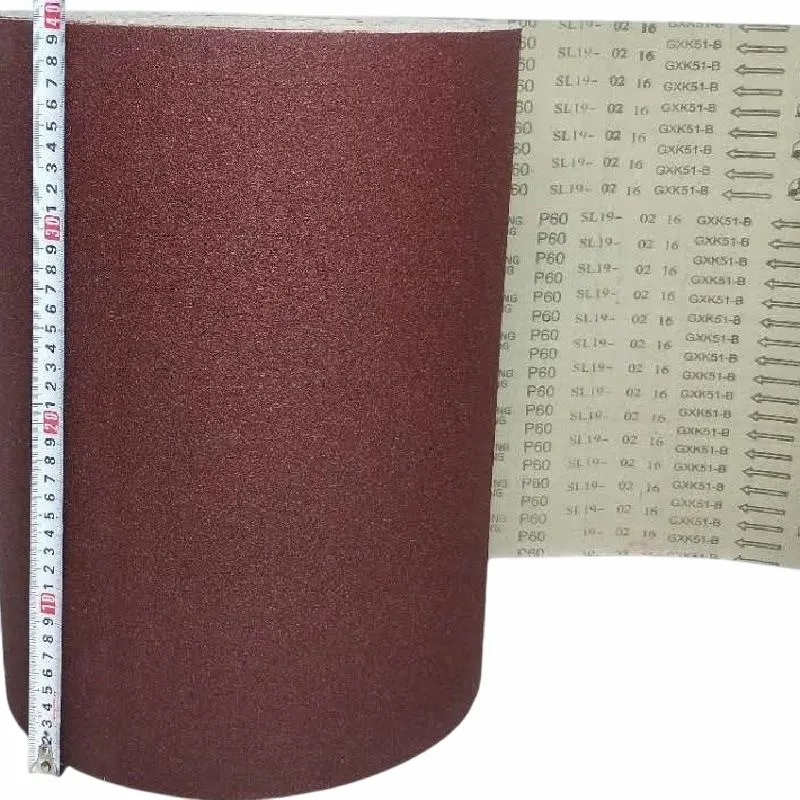
As a leading supplier of abrasive belts, we offer a wide range of products that are suitable for use in various environments, including vacuum conditions. Our Custom Abrasive Sanding Belts are available in a variety of grit sizes and backing materials, allowing you to choose the perfect belt for your specific application. We also offer Abrasive Cloth Backed Rolls and Black SiC Waterproof Abrasive Paper for more specialized applications.
Our products are manufactured using the latest technology and highest quality materials, ensuring their durability and performance. We also offer customization services, allowing you to tailor our products to your specific requirements. Whether you need a standard abrasive belt or a custom solution, we have the expertise and resources to meet your needs.
Contact Us for Your Abrasive Belt Needs
If you are interested in learning more about our abrasive belts and how they can be used in a vacuum environment, please feel free to contact us. Our team of experts is available to answer your questions and provide you with the information you need to make an informed decision. We are committed to providing our customers with the highest quality products and services, and we look forward to working with you to meet your abrasive belt needs.

References
- "Abrasive Technology Handbook" by Gary W. Lancaster
- "Handbook of Abrasive Technology" by Ramesh Singh
- "Vacuum Technology: A Complete Course" by Hannes Wendt