

Hey there, fellow pond enthusiasts! If you're like me, you've spent countless hours perfecting your pond, making it a beautiful and healthy haven for your fish and plants. One of the most crucial components in maintaining a clean and clear pond is a good filtration system. Today, I want to dive deep into how a ceramic pond filter works and why it might be the best choice for your pond. And by the way, I'm a supplier of Ceramic Filters, so I've got some insider knowledge to share!
First off, let's talk about why filtration is so important in a pond. A pond is a closed ecosystem, and without proper filtration, waste products from fish, decaying plants, and other debris can quickly build up. This can lead to poor water quality, which in turn can cause health problems for your fish and make your pond look less than appealing. A good filter helps to remove these contaminants, keeping the water clean and clear.
So, what exactly is a ceramic pond filter? Well, it's a type of mechanical and biological filter that uses porous ceramic materials to trap and break down waste. The ceramic material is usually in the form of tubes or blocks, and it has a large surface area with tiny pores. These pores are what make the ceramic filter so effective.
Let's start with the mechanical filtration aspect. When water from your pond enters the ceramic filter, it passes through the porous ceramic material. The tiny pores in the ceramic act like a sieve, trapping large particles of debris such as leaves, twigs, and fish waste. This helps to physically remove these contaminants from the water, preventing them from circulating back into the pond.
But the real magic of a ceramic pond filter happens in the biological filtration process. The large surface area of the ceramic provides a perfect home for beneficial bacteria. These bacteria are essential for breaking down harmful substances in the water, such as ammonia and nitrites. Ammonia is produced by fish waste and decaying organic matter, and it can be toxic to fish even in small amounts. Nitrites are also harmful to fish and are a byproduct of the breakdown of ammonia.
The beneficial bacteria that live on the ceramic surface convert ammonia into nitrites and then further into nitrates. Nitrates are much less toxic to fish and can be used by plants in the pond as a source of nutrients. This process is known as the nitrogen cycle, and it's a natural way to keep the water in your pond healthy.
One of the great things about ceramic pond filters is their durability. Ceramic is a very strong and long - lasting material, so you don't have to worry about replacing the filter elements frequently. Unlike some other types of filters that use disposable cartridges or pads, a ceramic filter can be cleaned and reused multiple times. You can simply backwash the filter periodically to remove the trapped debris and keep it functioning effectively.
Another advantage of ceramic filters is their high flow rate. The porous structure of the ceramic allows water to pass through easily, which means that you can filter a large volume of water quickly. This is especially important for larger ponds or ponds with a high fish population, where a large amount of water needs to be filtered to maintain good water quality.

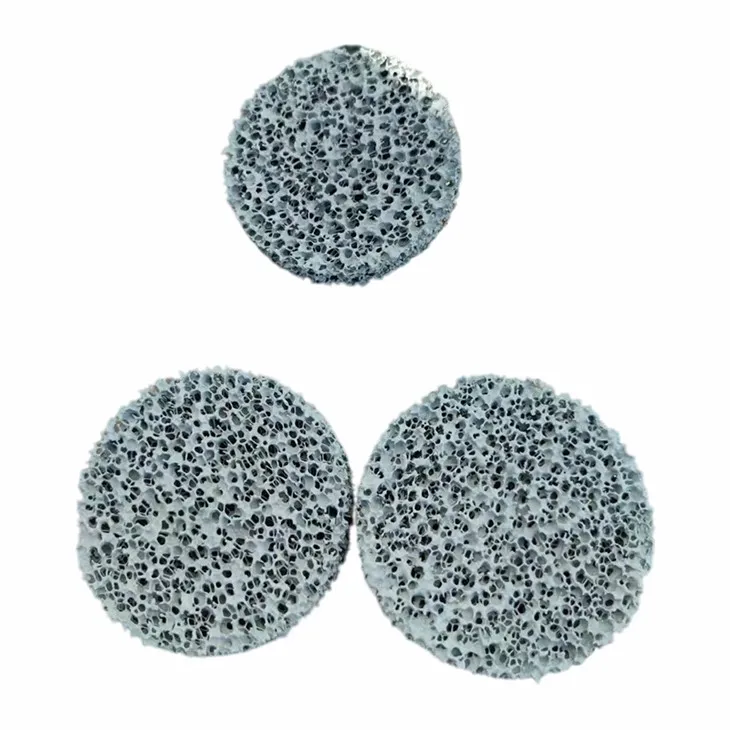
Now, let's take a closer look at the Porous Ceramic Filter Tube. These tubes are a popular choice for ceramic pond filters. They are designed to provide maximum surface area for both mechanical and biological filtration. The tubes are usually arranged in a filter housing, and water is forced through them. As the water passes through the tubes, the debris is trapped on the surface of the ceramic, and the beneficial bacteria go to work breaking down the harmful substances.
The installation of a ceramic pond filter is relatively straightforward. You'll need to place the filter in a suitable location, preferably near the pond pump. Connect the filter to the pump using appropriate tubing, and make sure that the water flow is directed through the filter in the correct direction. Once the filter is installed, you can start the pump, and the filtration process will begin.
It's important to note that while a ceramic pond filter is very effective, it's not a standalone solution. You may still need to combine it with other types of filtration, such as a skimmer to remove floating debris from the surface of the pond and a UV clarifier to control algae growth.
So, if you're in the market for a new pond filter, I highly recommend considering a ceramic pond filter. It offers a great combination of mechanical and biological filtration, durability, and high flow rate. And as a Ceramic Filter supplier, I can provide you with high - quality ceramic filters that are designed to meet the specific needs of your pond.
If you're interested in learning more about our ceramic pond filters or have any questions about how they work, feel free to reach out. We're here to help you make the best choice for your pond and ensure that your pond remains a beautiful and healthy environment for years to come. Whether you're a beginner or an experienced pond keeper, we've got the expertise and the products to meet your needs. So, don't hesitate to contact us for a friendly chat and to discuss your pond filtration requirements.
References
- "Pondkeeping Basics" by John Doe
- "The Complete Guide to Pond Filtration" by Jane Smith