

Hey there, fellow grinding enthusiasts! As a supplier of cup grinding wheels, I've seen firsthand how crucial coolant is in the performance of these tools. In this blog, I'll break down how coolant affects the performance of a cup grinding wheel and why it's something you can't overlook.
Temperature Control
One of the most significant ways coolant impacts a cup grinding wheel is by controlling temperature. When you're using a cup grinding wheel, friction is generated between the wheel and the workpiece. This friction can cause a massive spike in temperature. If the temperature gets too high, it can lead to a bunch of problems.
High temperatures can cause the grinding wheel to wear out much faster. The abrasive grains on the wheel can become dull more quickly, and the bond that holds these grains together can weaken. This means you'll have to replace your Black Silicon Carbide Grinding Wheel more often, which can be a real pain in the pocket.
Coolant acts as a heat sink. It absorbs the heat generated during the grinding process and carries it away. This keeps the temperature of the grinding wheel within a safe range. For example, in a continuous grinding operation, without coolant, the wheel can heat up to extremely high temperatures in a matter of minutes. But when you use coolant, the temperature can be maintained at a level where the wheel can perform optimally for a much longer time.
Surface Finish
The surface finish of the workpiece is another area where coolant makes a big difference. A good surface finish is often crucial, especially in industries where precision is key, like aerospace or automotive manufacturing.
When you grind without coolant, the high temperatures can cause the workpiece to experience thermal expansion. This can lead to uneven grinding and a poor surface finish. The workpiece might end up with rough spots, burns, or even micro-cracks.
Coolant helps to prevent these issues. By keeping the temperature stable, it reduces the chances of thermal expansion. This allows the grinding wheel to make smooth, consistent cuts. As a result, you get a much better surface finish on the workpiece. Whether you're using a Rubber Grinding Wheel for a delicate job or a more heavy-duty wheel, coolant can significantly improve the quality of the finish.
Chip Removal
During the grinding process, chips are produced as the wheel removes material from the workpiece. These chips need to be removed from the grinding zone quickly; otherwise, they can cause problems.
If the chips aren't removed, they can get trapped between the grinding wheel and the workpiece. This can lead to clogging of the wheel, which reduces its cutting efficiency. Clogged wheels also generate more heat, as the trapped chips increase friction.
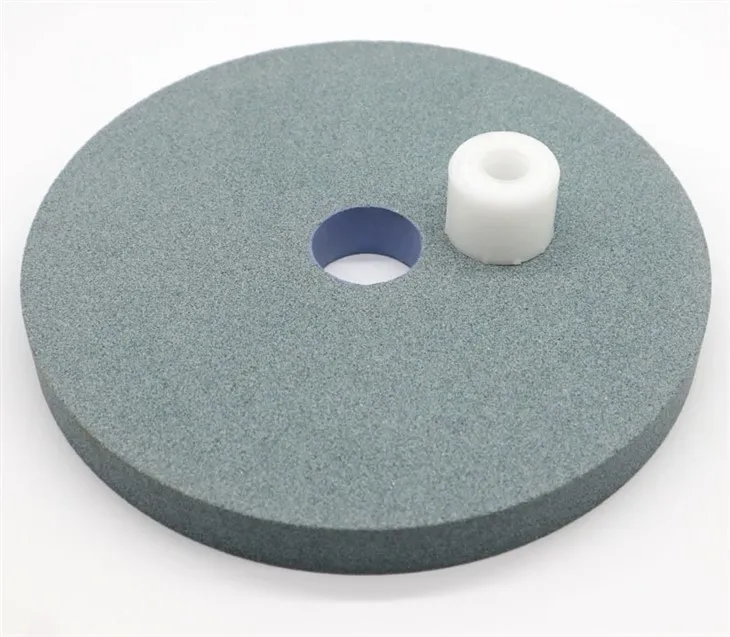
Coolant helps with chip removal. It flushes the chips away from the grinding zone. The flow of the coolant carries the chips out of the way, keeping the wheel clean and free from clogging. This ensures that the grinding wheel can continue to cut effectively. For instance, when using a Green Silicon Carbide Grinding Wheel, which is often used for high-precision grinding, proper chip removal is essential to maintain the wheel's performance.
Wheel Life
As I mentioned earlier, high temperatures and clogging can significantly reduce the life of a cup grinding wheel. Coolant helps to extend the wheel's life in multiple ways.
By controlling the temperature, coolant prevents the abrasive grains from dulling too quickly and the bond from weakening. This means the wheel can maintain its cutting ability for a longer period. Additionally, by keeping the wheel clean through chip removal, coolant reduces the wear and tear on the wheel.
For example, in a production environment where a large number of workpieces need to be ground, using coolant can mean the difference between replacing the wheel after a few hours of use or being able to use it for days or even weeks. This not only saves money on wheel replacements but also reduces downtime for changing wheels.
Types of Coolants
There are different types of coolants available, and each has its own advantages and disadvantages.
Water-Based Coolants
Water-based coolants are the most common type. They are cost-effective and have excellent cooling properties. They can absorb a large amount of heat quickly, making them great for controlling temperature. However, they can cause rust and corrosion if not properly maintained. You need to add rust inhibitors to the coolant to prevent this.
Oil-Based Coolants
Oil-based coolants provide better lubrication than water-based coolants. They reduce friction between the wheel and the workpiece, which can lead to a better surface finish. They also have good anti-rust properties. However, they are more expensive than water-based coolants and can be messy to work with. They also pose a fire hazard if not handled properly.
Synthetic Coolants
Synthetic coolants are a newer type of coolant. They offer a combination of the benefits of water-based and oil-based coolants. They have good cooling and lubrication properties, are less likely to cause rust, and are often more environmentally friendly. However, they can be more expensive than water-based coolants.

Choosing the Right Coolant
Choosing the right coolant depends on several factors. The type of material you're grinding is an important consideration. For example, if you're grinding a hard, brittle material like ceramic, you might need a coolant with good lubrication properties to prevent cracking.
The type of grinding operation also matters. If it's a high-speed, heavy-duty grinding operation, you'll need a coolant with excellent cooling properties. On the other hand, if it's a precision grinding operation where surface finish is critical, a coolant with good lubrication might be more suitable.
You also need to consider the cost and environmental impact of the coolant. Water-based coolants are usually the most cost-effective, but if environmental regulations are strict, you might need to choose a more environmentally friendly option like synthetic coolants.
Conclusion
As you can see, coolant plays a vital role in the performance of a cup grinding wheel. It controls temperature, improves surface finish, aids in chip removal, and extends the wheel's life. Choosing the right coolant for your specific grinding needs is essential to get the best results.
If you're in the market for high-quality cup grinding wheels or have any questions about how to optimize your grinding process with coolant, don't hesitate to reach out. We're here to help you make the most of your grinding operations. Whether you need a Black Silicon Carbide Grinding Wheel, a Rubber Grinding Wheel, or a Green Silicon Carbide Grinding Wheel, we've got you covered. Let's start a conversation about how we can meet your grinding requirements.
References
- "Grinding Technology: Theory and Applications of Machining with Abrasives" by Stephen Malkin
- "Manufacturing Engineering and Technology" by Serope Kalpakjian and Steven Schmid