

Hey there! As a supplier of cup grinding wheels, I've seen firsthand how crucial dimensional accuracy is in fine grinding. It can make or break a project, affecting everything from product quality to production efficiency. In this blog post, I'll share some tips on how to improve dimensional accuracy when using a cup grinding wheel.
Understanding the Basics of Cup Grinding Wheels
First things first, let's talk a bit about cup grinding wheels. These wheels are designed for a variety of grinding applications, including surface grinding, edge grinding, and profiling. They come in different sizes, shapes, and abrasive materials, each suited to specific tasks.
We offer a range of cup grinding wheels, such as the Brown Fused Alumina Grinding Wheel, Black Silicon Carbide Grinding Wheel, and Rubber Grinding Wheel. Each type has its own unique properties and is ideal for different materials and grinding requirements.
Factors Affecting Dimensional Accuracy
Before we dive into the tips, it's important to understand the factors that can affect dimensional accuracy in fine grinding. These include:
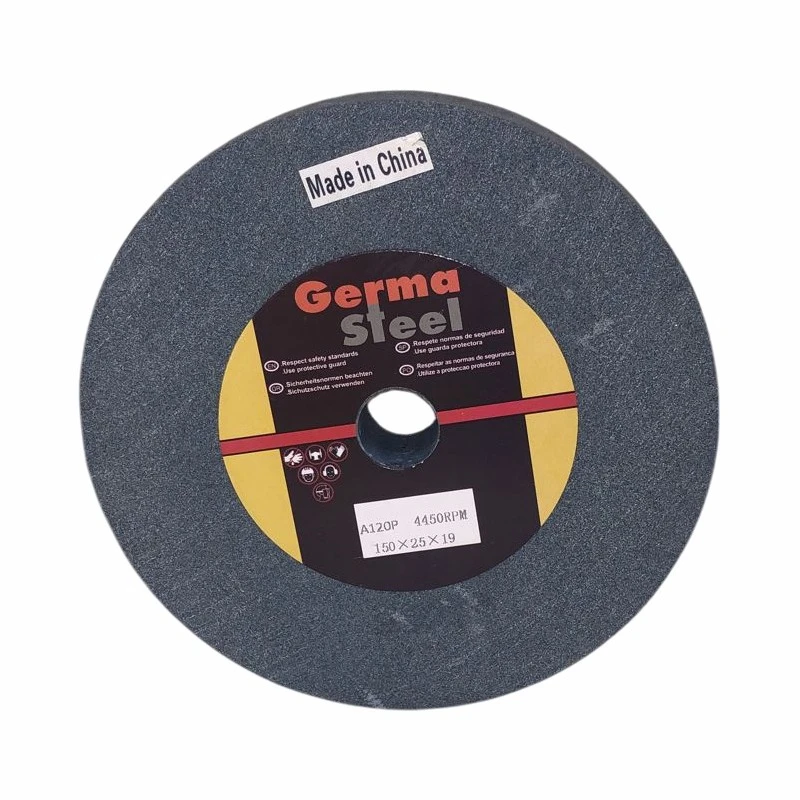

- Wheel Selection: Choosing the right wheel for the job is crucial. The abrasive material, grain size, hardness, and structure of the wheel can all impact the grinding process and the final dimensional accuracy.
- Machine Condition: The condition of the grinding machine plays a significant role. Issues such as spindle runout, table flatness, and coolant system performance can lead to inaccuracies.
- Workpiece Material: Different materials have different properties, such as hardness, toughness, and thermal conductivity. These properties can affect how the material responds to grinding and the dimensional accuracy achieved.
- Grinding Parameters: Parameters like feed rate, depth of cut, and wheel speed need to be carefully controlled. Incorrect settings can result in excessive material removal, heat generation, and poor dimensional accuracy.
Tips to Improve Dimensional Accuracy
1. Select the Right Wheel
As I mentioned earlier, wheel selection is key. Consider the following when choosing a cup grinding wheel:
- Abrasive Material: For grinding ferrous metals, a brown fused alumina wheel is often a good choice. It offers good cutting ability and durability. For non - ferrous metals and brittle materials, a black silicon carbide wheel may be more suitable.
- Grain Size: A finer grain size will generally result in a smoother finish and better dimensional accuracy. However, it may also reduce the cutting rate. So, find a balance based on your requirements.
- Hardness and Structure: A wheel with the appropriate hardness and structure is essential. A too - hard wheel may cause glazing, while a too - soft wheel may wear out quickly.
2. Maintain Your Grinding Machine
Regular maintenance of your grinding machine is vital for achieving high dimensional accuracy. Here's what you can do:
- Check Spindle Runout: Spindle runout can cause uneven grinding and dimensional errors. Use a dial indicator to check the runout regularly and make adjustments if necessary.
- Ensure Table Flatness: The grinding table should be flat to ensure consistent contact between the wheel and the workpiece. Check the table flatness periodically and correct any deviations.
- Keep the Coolant System in Good Condition: Coolant helps to reduce heat generation during grinding, which can prevent thermal expansion and distortion of the workpiece. Make sure the coolant is clean, at the right concentration, and flowing properly.
3. Optimize Grinding Parameters
The right grinding parameters can significantly improve dimensional accuracy. Here are some guidelines:
- Feed Rate: A slow and steady feed rate is usually better for fine grinding. This allows the wheel to remove material evenly and reduces the risk of over - grinding.
- Depth of Cut: Take light cuts to minimize the amount of material removed in each pass. This helps to control the grinding process and maintain dimensional accuracy.
- Wheel Speed: The wheel speed should be appropriate for the wheel and the workpiece material. A too - high speed can cause excessive heat and wheel wear, while a too - low speed may result in poor cutting performance.
4. Use Fixturing and Workholding Devices
Proper fixturing and workholding devices are essential to keep the workpiece in place during grinding. This helps to prevent movement and ensures consistent dimensional accuracy. Make sure the fixtures are clean, well - maintained, and properly aligned.
5. Perform In - Process Inspection
Regularly inspect the workpiece during the grinding process. Use measuring tools such as micrometers, calipers, and gauges to check the dimensions. If you notice any deviations, make adjustments to the grinding parameters or the setup immediately.
Case Studies
Let me share a couple of case studies to illustrate how these tips can make a difference.
Case Study 1: A customer was having trouble achieving the desired dimensional accuracy when grinding stainless steel parts with a cup grinding wheel. After analyzing the situation, we recommended switching to a finer - grain brown fused alumina wheel and reducing the feed rate. By making these changes, the customer was able to improve the dimensional accuracy significantly, resulting in fewer rejects and higher - quality products.
Case Study 2: Another customer was experiencing issues with thermal distortion in their aluminum workpieces. We advised them to optimize their coolant system and reduce the depth of cut. This helped to control the heat generation during grinding and improved the dimensional stability of the workpieces.
Conclusion
Improving dimensional accuracy in fine grinding with a cup grinding wheel is a combination of proper wheel selection, machine maintenance, parameter optimization, and quality control. By following the tips I've shared in this blog post, you can enhance the quality of your grinding operations and achieve better results.
If you're looking for high - quality cup grinding wheels or need advice on improving your grinding process, don't hesitate to get in touch. We're here to help you with all your grinding needs. Let's work together to achieve the best possible dimensional accuracy in your projects.
References
- "Grinding Technology: Theory and Applications of Machining with Abrasives" by Stephen Malkin
- "Manufacturing Engineering and Technology" by Serope Kalpakjian and Steven Schmid