

Hey there! As a supplier of cup grinding wheels, I've heard a lot of feedback from customers about one common issue: the noise these wheels make during operation. It's not just annoying; excessive noise can also be a sign of inefficiency or even potential safety hazards. So, in this blog post, I'm going to share some practical tips on how to reduce the noise when using a cup grinding wheel.
Understanding the Causes of Noise
Before we dive into the solutions, it's important to understand what causes the noise in the first place. There are several factors that can contribute to the noise generated by a cup grinding wheel:
- Imbalance: If the grinding wheel is not properly balanced, it can cause vibrations that lead to noise. This can happen if the wheel is not installed correctly or if it has become worn unevenly over time.
- Dullness: A dull grinding wheel can also produce more noise than a sharp one. When the wheel is dull, it has to work harder to cut through the material, which can cause vibrations and noise.
- Incorrect Speed: Using the wrong speed for the grinding wheel can also lead to noise. If the speed is too high, the wheel can overheat and cause excessive wear and noise. On the other hand, if the speed is too low, the wheel may not be able to cut through the material effectively, which can also cause noise.
- Material Compatibility: Using a grinding wheel that is not compatible with the material you are grinding can also result in noise. Different materials require different types of grinding wheels, and using the wrong one can cause the wheel to wear unevenly and produce noise.
Tips for Reducing Noise
Now that we know what causes the noise, let's look at some tips on how to reduce it:

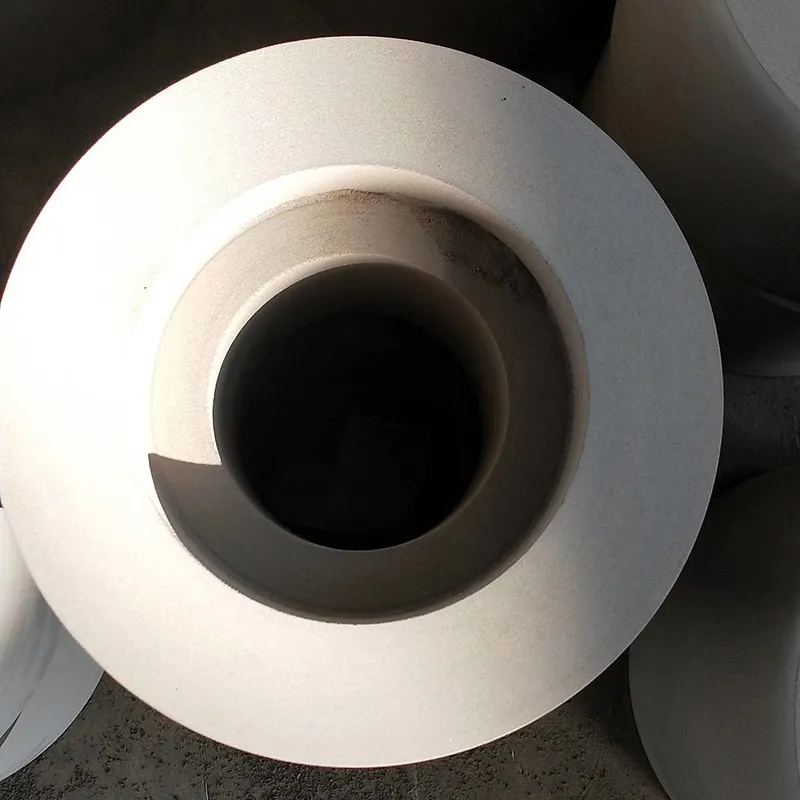
- Balance the Grinding Wheel: Make sure the grinding wheel is properly balanced before using it. You can use a balancing stand to check the balance of the wheel and make any necessary adjustments. If the wheel is worn unevenly, you may need to replace it.
- Keep the Grinding Wheel Sharp: Regularly dress the grinding wheel to keep it sharp. Dressing the wheel removes the dull particles from the surface and exposes fresh abrasive grains, which can improve the cutting performance and reduce noise. You can use a dressing tool to dress the wheel.
- Use the Correct Speed: Always use the recommended speed for the grinding wheel. The speed is usually indicated on the wheel or in the manufacturer's instructions. Using the correct speed can help prevent overheating and excessive wear, which can reduce noise.
- Choose the Right Grinding Wheel: Select a grinding wheel that is compatible with the material you are grinding. For example, if you are grinding rubber, you may want to use a Rubber Grinding Wheel. If you are grinding black silicon carbide, a Black Silicon Carbide Grinding Wheel would be a better choice. And for white fused alumina, White Fused Alumina Grinding Wheels are ideal. Using the right wheel can improve the cutting performance and reduce noise.
- Use a Noise-Reducing Mount: Consider using a noise-reducing mount for the grinding wheel. These mounts are designed to absorb vibrations and reduce noise. They can be especially effective if you are using a high-speed grinding wheel.
- Maintain a Clean Work Area: Keep the work area clean and free of debris. Debris can get caught in the grinding wheel and cause vibrations and noise. Regularly clean the wheel and the work area to prevent this from happening.
- Use Personal Protective Equipment (PPE): Always wear appropriate PPE, such as earplugs or earmuffs, to protect your ears from the noise. Even if you are taking steps to reduce the noise, it's still important to protect your hearing.
Conclusion
Reducing the noise when using a cup grinding wheel is not only important for your comfort but also for the efficiency and safety of your work. By following the tips outlined in this blog post, you can minimize the noise and improve the performance of your grinding wheel.
If you have any questions or need further advice on choosing the right grinding wheel or reducing noise, feel free to reach out. We're here to help you find the best solutions for your grinding needs. Whether you're a professional in the industry or a DIY enthusiast, we've got the expertise and products to support you. Let's start a conversation and see how we can work together to make your grinding operations quieter and more efficient.
References
- "Grinding Wheel Basics," Industrial Grinding Wheels Manufacturer.
- "Noise Reduction in Grinding Processes," Journal of Manufacturing Technology.
- "Choosing the Right Grinding Wheel," Abrasive Products Association.