

Hey there! I'm a supplier of ceramic parts, and I often get asked about how to test the mechanical properties of these parts. It's a crucial step in ensuring the quality and performance of ceramic products, whether they're used in industrial applications, electronics, or even in some consumer goods. In this blog post, I'll share some of the common methods and considerations for testing the mechanical properties of ceramic parts.
Why Test Ceramic Parts?
Before we dive into the testing methods, let's talk about why it's so important to test ceramic parts in the first place. Ceramics are known for their unique properties, such as high hardness, wear resistance, and chemical stability. However, they can also be brittle and prone to cracking under certain conditions. By testing the mechanical properties, we can assess the strength, toughness, and durability of the ceramic parts, which helps in predicting their performance in real-world applications.
Common Mechanical Properties to Test
There are several key mechanical properties that are typically tested for ceramic parts:
1. Hardness
Hardness is a measure of a material's resistance to indentation or scratching. For ceramic parts, hardness is an important property as it determines their wear resistance. A harder ceramic is less likely to be damaged by abrasion or friction. One of the most common methods for measuring hardness is the Vickers hardness test. In this test, a diamond indenter is pressed into the surface of the ceramic part under a specific load, and the size of the indentation is measured. The Vickers hardness number (HV) is then calculated based on the load and the size of the indentation.
2. Flexural Strength
Flexural strength, also known as bending strength, is the maximum stress a material can withstand before it breaks under a bending load. This property is important for ceramic parts that are subjected to bending or flexing forces in their application. The three-point or four-point bending test is commonly used to measure the flexural strength of ceramic parts. In a three-point bending test, a ceramic specimen is supported at two points and loaded at the center, while in a four-point bending test, the specimen is loaded at two points between the supports. The flexural strength is calculated based on the maximum load applied and the dimensions of the specimen.
3. Compressive Strength
Compressive strength is the maximum stress a material can withstand before it fails under a compressive load. This property is important for ceramic parts that are used in applications where they are subjected to high compressive forces, such as in structural components. The compressive strength test involves applying a gradually increasing load to a ceramic specimen until it fails. The compressive strength is then calculated based on the maximum load and the cross-sectional area of the specimen.
4. Fracture Toughness
Fracture toughness is a measure of a material's resistance to crack propagation. It is an important property for ceramic parts as ceramics are brittle and can be prone to cracking. A higher fracture toughness indicates that the ceramic is more resistant to cracking and can withstand higher stresses without failing. There are several methods for measuring fracture toughness, such as the single-edge precracked beam (SEPB) method and the indentation fracture (IF) method.
Testing Methods and Equipment
Now that we've covered the common mechanical properties to test, let's talk about the testing methods and equipment used.
1. Testing Machines
Testing machines are used to apply the loads required for the various mechanical tests. These machines can range from simple manual testing devices to sophisticated computer-controlled systems. For example, a universal testing machine can be used for both tensile and compressive tests, as well as for bending tests with the appropriate fixtures. The testing machine is typically equipped with a load cell to measure the applied load and a displacement sensor to measure the deformation of the specimen.
2. Indentation Equipment
As mentioned earlier, hardness testing often involves the use of an indenter. There are different types of indenters available, such as the Vickers indenter, the Knoop indenter, and the Rockwell indenter. Each indenter has its own advantages and is suitable for different types of materials and hardness ranges. The indentation equipment also includes a microscope or other measuring device to accurately measure the size of the indentation.
3. Specimen Preparation
Proper specimen preparation is crucial for accurate testing results. The ceramic specimens need to be machined to the appropriate dimensions and surface finish according to the testing standards. For example, in a flexural strength test, the specimen should have a smooth and flat surface to ensure uniform loading. The edges of the specimen should also be chamfered to prevent stress concentrations.
Considerations and Challenges
Testing the mechanical properties of ceramic parts can be challenging due to several factors:
1. Brittle Nature
As mentioned earlier, ceramics are brittle materials, which means they can fail suddenly and without much warning. This can make it difficult to accurately measure their mechanical properties, especially in tests such as the fracture toughness test. Special care needs to be taken during specimen preparation and testing to avoid introducing cracks or other defects that could affect the test results.
2. Anisotropy
Some ceramic materials may exhibit anisotropy, which means their mechanical properties can vary depending on the direction of the applied load. This needs to be taken into account when designing the testing specimens and interpreting the test results. For example, in a flexural strength test, the specimen should be oriented in the appropriate direction to ensure that the measured strength is representative of the material's performance in the actual application.
3. Testing Standards
There are various international and national standards for testing the mechanical properties of ceramic parts, such as ASTM (American Society for Testing and Materials) and ISO (International Organization for Standardization) standards. It's important to follow these standards to ensure the accuracy and comparability of the test results.
Applications of Ceramic Parts
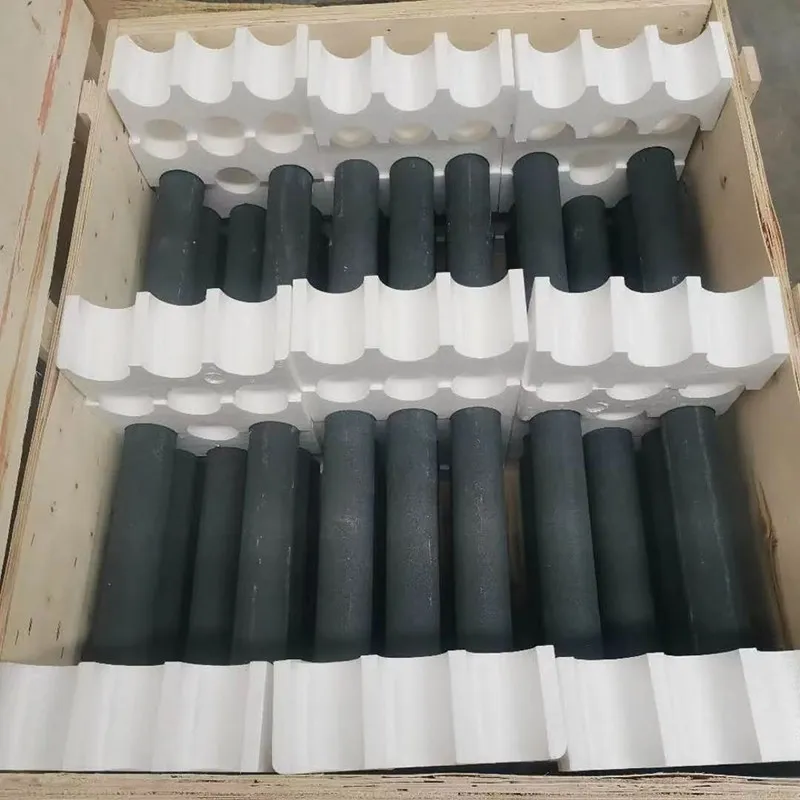
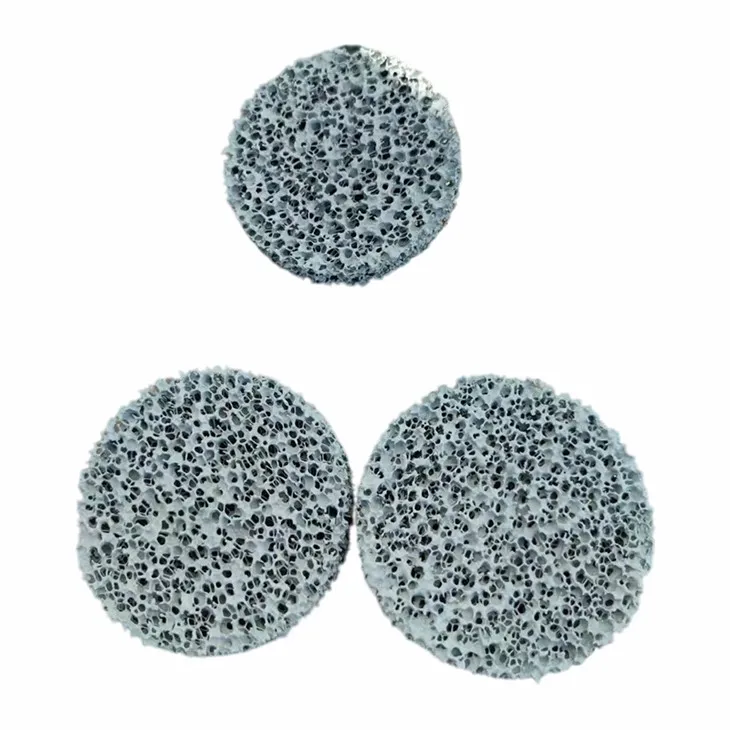
Ceramic parts have a wide range of applications in different industries. For example, in the automotive industry, ceramic parts are used in engine components, such as spark plugs and catalytic converters, due to their high temperature resistance and wear resistance. In the electronics industry, ceramics are used in substrates, capacitors, and insulators because of their electrical properties. Another interesting application is the use of Porous Ceramic Filter Tube in filtration systems, where their porous structure allows for efficient filtration of liquids and gases.
Conclusion
Testing the mechanical properties of ceramic parts is an essential step in ensuring their quality and performance. By understanding the common mechanical properties to test, the testing methods and equipment, and the considerations and challenges involved, we can accurately assess the strength, toughness, and durability of ceramic parts. As a ceramic parts supplier, I'm committed to providing high-quality products that meet the specific requirements of our customers. If you're interested in purchasing ceramic parts or have any questions about our products, feel free to reach out to us for a discussion. We'll be happy to assist you in finding the right ceramic solutions for your application.
References
- ASTM International. (Year). Standard test methods for ceramic materials.
- ISO. (Year). International standards for testing mechanical properties of ceramics.
- Callister, W. D., & Rethwisch, D. G. (Year). Materials science and engineering: An introduction. Wiley.