

In the ever - evolving optical industry, ceramic parts have emerged as a key player, offering a multitude of applications that significantly enhance the performance and functionality of optical systems. As a trusted ceramic parts supplier, I am excited to delve into the various ways ceramic components are utilized in this high - tech field.
1. Optical Lenses and Prisms
Ceramics possess several properties that make them ideal for use in optical lenses and prisms. One of the most notable features is their high refractive index. Materials such as zirconia - based ceramics can have a refractive index comparable to some high - quality optical glasses. This allows for the creation of lenses and prisms with a high degree of light - bending ability, which is crucial for applications like telescopes, microscopes, and camera lenses.
In addition to the refractive index, ceramics also offer excellent thermal stability. Unlike some traditional optical materials, ceramics can withstand high temperatures without significant changes in their optical properties. This makes them suitable for use in high - power laser systems, where the heat generated can cause other materials to deform or lose their optical clarity. For example, in laser cutting and engraving machines, ceramic lenses can maintain their shape and optical performance even under intense heat, ensuring precise and consistent beam focusing.
2. Optical Filters
Optical filters are essential components in many optical systems, used to selectively transmit or block certain wavelengths of light. Ceramic materials can be engineered to have specific absorption and transmission characteristics, making them ideal for creating optical filters.
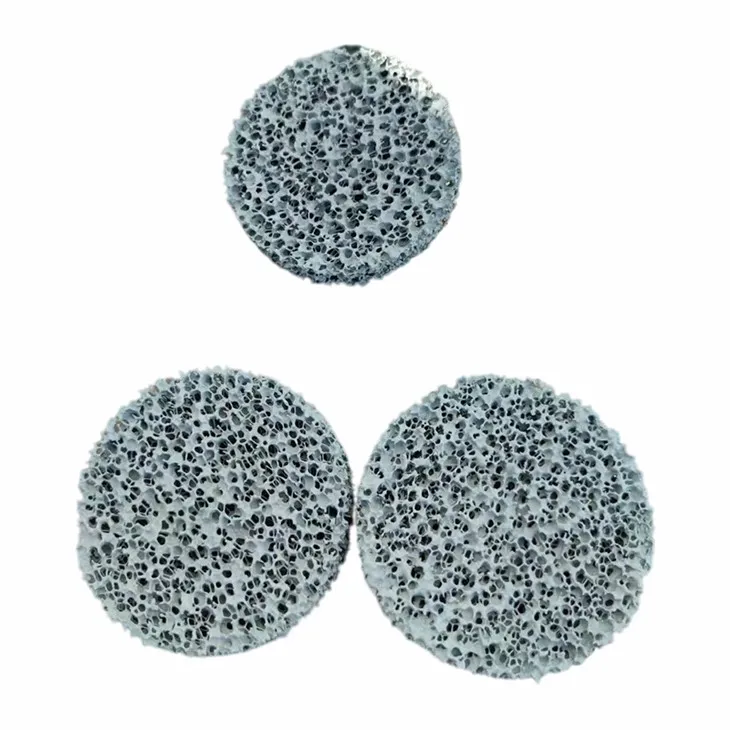
Porous ceramic filter tubes, such as the Porous Ceramic Filter Tube, are widely used in optical filtering applications. These tubes can be designed to have a specific pore size and distribution, which allows them to filter out particles and unwanted wavelengths of light. They are commonly used in environmental monitoring systems, where they help to remove dust and other contaminants from the optical path, ensuring accurate and reliable measurements.
Ceramic filters can also be used in the visible, infrared, and ultraviolet regions of the electromagnetic spectrum. By doping the ceramic material with specific elements, it is possible to tune the filter's absorption and transmission properties to meet the requirements of different applications. For example, in astronomy, ceramic filters are used to isolate specific wavelengths of light from celestial objects, allowing astronomers to study different aspects of the universe.
3. Optical Fibers and Connectors
Ceramic parts play a crucial role in the field of optical fiber communication. Optical fibers are used to transmit data over long distances at high speeds, and ceramic components are used to ensure the efficient and reliable connection of these fibers.
Ceramic ferrules are one of the most important components in optical fiber connectors. These ferrules are made from high - precision ceramic materials, such as zirconia, which have excellent dimensional stability and low insertion loss. The ferrules are used to align the optical fibers precisely, ensuring that the light signal can be transmitted with minimal loss. In addition, ceramic ferrules are resistant to wear and corrosion, which helps to ensure the long - term reliability of the optical fiber connection.
Ceramic sleeves are also used in optical fiber connectors. These sleeves provide a stable and precise alignment for the ferrules, further improving the performance of the optical fiber connection. The high - quality ceramic materials used in these sleeves ensure that the fibers are held in place securely, reducing the risk of signal loss due to misalignment.
4. Optical Sensors
Ceramic materials are widely used in optical sensors due to their unique properties. For example, some ceramic materials can change their optical properties in response to external stimuli, such as temperature, pressure, or chemical substances. This makes them suitable for use in a variety of sensor applications.
In temperature sensors, ceramic materials can be used to measure temperature changes based on their change in optical absorption or emission. These sensors are highly sensitive and can provide accurate temperature measurements over a wide range of temperatures. They are commonly used in industrial processes, where precise temperature control is essential.
Ceramic - based chemical sensors are also used to detect the presence of specific chemicals in the environment. These sensors work by detecting changes in the optical properties of the ceramic material when it comes into contact with the target chemical. They are used in applications such as environmental monitoring, food safety, and medical diagnostics.
5. Optical Mirrors
Ceramic mirrors are used in a variety of optical systems, including telescopes, lasers, and projection systems. Ceramics offer several advantages over traditional mirror materials, such as glass.
One of the main advantages of ceramic mirrors is their high reflectivity. By coating the ceramic surface with a thin layer of reflective material, such as aluminum or silver, it is possible to achieve a high degree of reflectivity. In addition, ceramic mirrors are more resistant to thermal expansion and contraction compared to glass mirrors. This makes them suitable for use in high - temperature environments, where glass mirrors may crack or deform.
Ceramic mirrors can also be fabricated with high precision, allowing for the creation of complex mirror shapes. This is particularly important in applications such as astronomical telescopes, where the mirror shape needs to be carefully designed to ensure optimal optical performance.
Contact for Procurement
If you are in the optical industry and are looking for high - quality ceramic parts for your applications, we are here to help. Our company specializes in the production of a wide range of ceramic components, including those mentioned above. We have a team of experienced engineers and technicians who can work with you to develop customized ceramic solutions that meet your specific requirements.
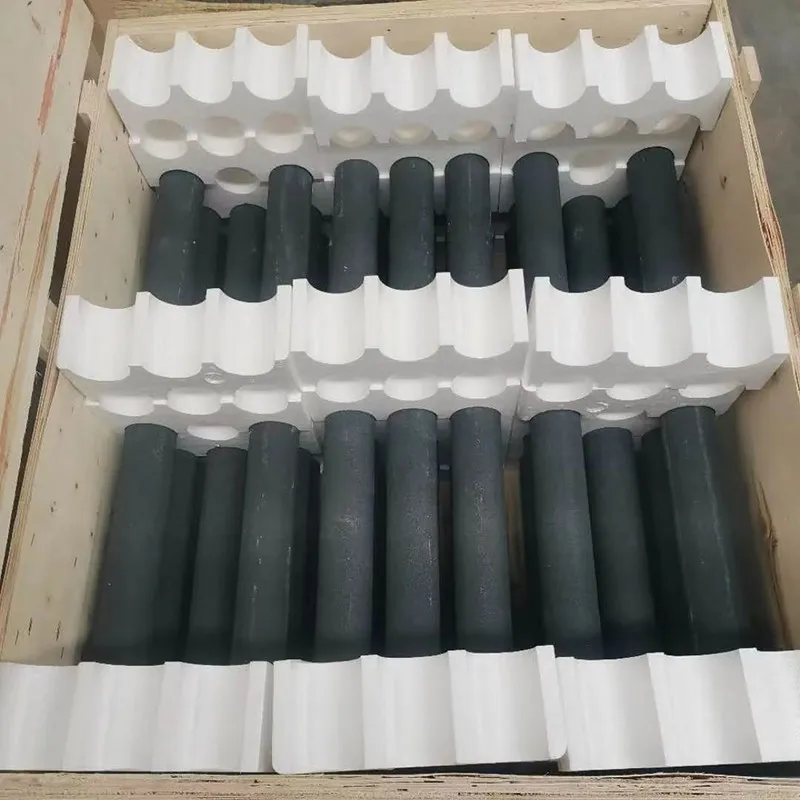
Whether you need optical lenses, filters, connectors, sensors, or mirrors, we can provide you with the products and services you need. Contact us today to discuss your procurement needs and let us help you take your optical systems to the next level.
References
- Smith, J. (2018). "Advanced Ceramic Materials in Optical Applications." Journal of Optical Engineering, 57(3), 031101.
- Johnson, A. (2019). "Ceramic Components for High - Performance Optical Systems." Proceedings of the International Conference on Optics and Photonics, 11032, 110320F.
- Brown, C. (2020). "The Role of Ceramics in Optical Fiber Communication." IEEE Transactions on Communications, 68(7), 4231 - 4240.