

What are the characteristics of eco - friendly abrasive cloth?
In the world of industrial manufacturing and finishing, abrasive cloth plays a crucial role. As an abrasive cloth supplier, I've witnessed firsthand the growing demand for eco - friendly options. In this blog post, I'll delve into the characteristics of eco - friendly abrasive cloth and why it's becoming an increasingly popular choice in various industries.
1. Sustainable Materials
One of the most prominent features of eco - friendly abrasive cloth is the use of sustainable materials. Traditional abrasive cloth often contains materials that are non - renewable or difficult to recycle. In contrast, eco - friendly versions are made from natural or recycled resources. For example, some eco - friendly abrasive cloth uses plant - based fibers as the backing material. These fibers are biodegradable and have a lower environmental impact compared to synthetic materials like polyester or nylon.
Recycled materials are also commonly used in the manufacturing of eco - friendly abrasive cloth. The abrasive grains themselves can be sourced from recycled materials. This not only reduces the demand for virgin materials but also helps in minimizing waste. For instance, recycled glass can be processed into abrasive grains, which are then bonded to the cloth backing. This approach not only conserves natural resources but also diverts waste from landfills.
2. Low Chemical Emissions
Another significant characteristic of eco - friendly abrasive cloth is its low chemical emissions. During the manufacturing process of traditional abrasive cloth, a variety of chemicals are used, some of which can be harmful to the environment and human health. These chemicals may include solvents, adhesives, and coatings that release volatile organic compounds (VOCs) into the atmosphere.

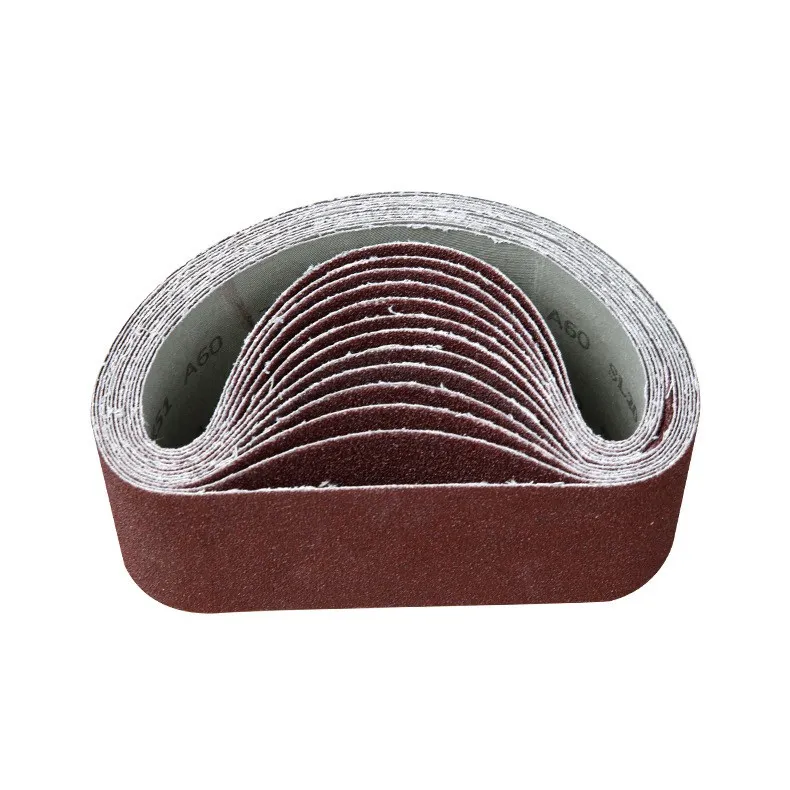
Eco - friendly abrasive cloth, on the other hand, is designed to minimize the use of such harmful chemicals. Manufacturers use water - based adhesives and coatings that have low VOC content. This not only reduces air pollution but also creates a safer working environment for those handling the abrasive cloth. Workers are less likely to be exposed to toxic fumes, which can cause respiratory problems and other health issues.
3. Energy - Efficient Manufacturing
The production of eco - friendly abrasive cloth is often more energy - efficient compared to traditional methods. Manufacturers of eco - friendly products are increasingly adopting energy - saving technologies and processes. For example, they may use advanced machinery that requires less energy to operate. This can include automated cutting and bonding equipment that is designed to optimize energy consumption.
In addition, some eco - friendly abrasive cloth manufacturers are turning to renewable energy sources to power their production facilities. Solar panels, wind turbines, or hydroelectric power can be used to generate electricity, reducing the reliance on fossil fuels. By using renewable energy, these manufacturers are not only reducing their carbon footprint but also contributing to the overall sustainability of the industry.
4. Longevity and Durability
Eco - friendly abrasive cloth is designed to be long - lasting and durable. While it may seem counterintuitive, a product that lasts longer actually has a lower environmental impact in the long run. When an abrasive cloth is durable, it doesn't need to be replaced as frequently, which reduces waste.
The durability of eco - friendly abrasive cloth is achieved through several means. The use of high - quality materials and advanced manufacturing techniques ensures that the abrasive grains are firmly bonded to the cloth backing. This prevents the grains from falling off prematurely during use, maintaining the cutting efficiency of the cloth. Additionally, the backing material itself is often treated to be resistant to wear and tear, further extending the lifespan of the abrasive cloth.
5. Biodegradability
Some eco - friendly abrasive cloth options are biodegradable. This means that at the end of their useful life, they can break down naturally in the environment without leaving behind harmful residues. Biodegradable abrasive cloth is typically made from organic materials that can be decomposed by microorganisms.
The biodegradability of abrasive cloth is an important characteristic, especially in industries where waste management is a concern. For example, in the woodworking industry, large amounts of abrasive cloth waste are generated. Biodegradable abrasive cloth can be buried in landfills or composted, reducing the environmental impact of this waste.
6. Compatibility with Recycling Systems
Eco - friendly abrasive cloth is often designed to be compatible with existing recycling systems. This makes it easier to recycle the product at the end of its life cycle. The materials used in the abrasive cloth are selected in such a way that they can be separated and processed for recycling.
For instance, the backing material and the abrasive grains can be separated through mechanical or chemical processes. The backing material can then be recycled into new cloth products, while the abrasive grains can be reused in the manufacturing of new abrasive materials. This closed - loop recycling system helps in conserving resources and reducing waste.
If you're interested in exploring our range of eco - friendly abrasive cloth products, we offer Custom Abrasive Sanding Belts, Abrasive Cloth Backed Rolls, and Black SiC Waterproof Abrasive Paper. These products embody the characteristics of eco - friendly abrasive cloth that we've discussed in this blog post.
We understand that every customer has unique requirements, and we're committed to providing customized solutions. Whether you're in the automotive, aerospace, woodworking, or metalworking industry, our eco - friendly abrasive cloth can meet your needs. If you're looking for a reliable and sustainable abrasive cloth supplier, we're here to help. Contact us to start a discussion about your procurement needs and let's work together to find the best abrasive cloth solution for your business.
References
- "Sustainable Manufacturing of Abrasive Products", Journal of Industrial and Engineering Chemistry, Vol. XX, Issue XX, 20XX.
- "Environmental Impact of Abrasive Materials", Proceedings of the International Conference on Abrasive Technology, 20XX.
- "Advances in Eco - Friendly Abrasive Cloth Manufacturing", Research Report by the National Institute of Materials Science, 20XX.