

Hey there! As a glass beads supplier, I've been dealing with all sorts of glass beads for ages. One of the most common questions I get is about the differences between opaque and transparent glass beads. So, I thought I'd take a deep dive into this topic and share what I've learned over the years.
Appearance
Let's start with the most obvious difference - how they look. Transparent glass beads are, well, transparent. You can see right through them, like looking through a clear window. They have a shiny, glossy finish that catches the light beautifully. When light passes through these beads, it refracts, creating a kind of sparkling effect. This makes them super eye - catching, especially when used in decorative applications.
On the other hand, opaque glass beads don't let light pass through. They have a solid, non - see - through appearance. Opaque beads can come in a wide range of colors, from bright and bold to more muted tones. Their surface might be smooth, but it doesn't have that same light - refracting sparkle as transparent beads. Instead, they have a more consistent, matte - like look, depending on how they're manufactured.

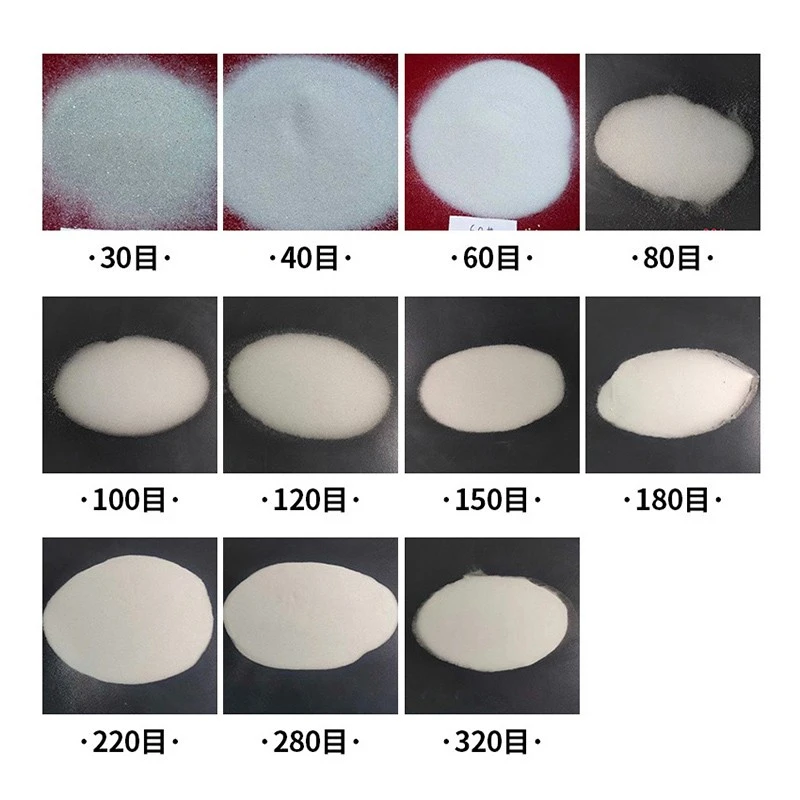
Manufacturing Process
The way these two types of glass beads are made also differs. Transparent glass beads are typically made from high - quality, pure glass materials. The manufacturing process involves melting the glass at high temperatures and then shaping it into beads. Special care is taken to ensure there are no impurities in the glass, as these can affect the transparency. After shaping, the beads are often polished to enhance their clarity and shine.
Opaque glass beads, however, are made by adding certain additives to the glass mixture during the melting process. These additives can be things like metal oxides or other compounds that block the passage of light. The amount and type of additive used determine the color and opacity of the final bead. Once the glass with the additives is melted, it's also shaped into beads, but the finishing process might be different. Sometimes, opaque beads are given a coating to protect the color and give them a more uniform look.
Applications
Now, let's talk about where these beads are used. Transparent glass beads have a wide range of applications, thanks to their light - refracting properties. One of the most common uses is in road marking. Glass Beads for Road Marking They're mixed with paint or epoxy used for road lines. When headlights shine on the road at night, the transparent beads reflect the light back to the driver, making the road markings more visible. This significantly improves road safety, especially in low - light conditions.
Transparent beads are also popular in the jewelry and craft industries. They can be used to make beautiful necklaces, bracelets, and earrings. Their sparkle adds a touch of elegance to any piece of jewelry. In addition, they're used in home decor, like in vases, candle holders, or as part of wall art.
Opaque glass beads, on the other hand, are often used in industrial applications. Glass Beads for Polishing and Grinding They're great for surface finishing because their opaque nature and consistent shape allow for even abrasion. In the sandblasting industry, opaque glass beads are used to clean and prepare surfaces before painting or coating. They can remove rust, dirt, and old paint without damaging the underlying material.
In the fashion industry, opaque glass beads are used for embroidery and embellishments on clothing. Their bold colors can add a pop of color and texture to a garment. They're also used in the creation of decorative items like keychains, bookmarks, and small figurines.
Durability
When it comes to durability, both types of glass beads are relatively strong, but there are some differences. Transparent glass beads are usually made from a harder, more pure form of glass. This makes them resistant to scratching and chipping to a certain extent. However, they can be more brittle in some cases, especially if they're very thin or have a high level of transparency.
Opaque glass beads, due to the additives in their composition, can have different durability characteristics. Some opaque beads are more flexible and less likely to break under pressure. The additives can also make them more resistant to chemicals and environmental factors. For example, in industrial applications where they're exposed to harsh conditions, opaque beads tend to hold up well.
Cost
Cost is another factor that sets these two types of glass beads apart. Transparent glass beads, especially those of high - quality and purity, can be more expensive. The manufacturing process is more precise, and the materials used are often of a higher grade. The demand for them in applications like road marking and jewelry also drives up the price.
Opaque glass beads, on the other hand, can be more cost - effective. The additives used in their production are usually less expensive than the pure glass used for transparent beads. Also, the manufacturing process might be less complex in some cases, which helps keep the costs down. This makes them a popular choice for large - scale industrial applications where cost is a major consideration.
Conclusion
So, there you have it - the main differences between opaque and transparent glass beads. Whether you're in the market for road - marking beads, jewelry - making supplies, or industrial abrasives, understanding these differences can help you make the right choice.
As a glass beads supplier, I've got a wide range of both opaque and transparent glass beads in stock. If you're interested in purchasing glass beads for your specific application, don't hesitate to get in touch. We can discuss your needs, provide samples, and work out the best deal for you. Let's start a conversation and find the perfect glass beads for your project!
References
- "Glass Bead Manufacturing: Processes and Applications" - Industry Research Report
- "The Science of Glass: Properties and Uses" - Academic Journal on Materials Science