

When it comes to working with glass beads, whether you're using them for polishing and grinding, road marking, or other applications, safety should always be your top priority. As a trusted glass beads supplier, I've seen firsthand the importance of taking proper precautions to ensure the well - being of those handling these versatile products. In this blog, I'll share some essential safety measures to keep in mind when working with glass beads.
1. Personal Protective Equipment (PPE)
Wearing the right PPE is crucial when working with glass beads. These tiny, often sharp objects can pose risks to your eyes, skin, and respiratory system.
- Eye Protection: Safety glasses or goggles are a must. Glass beads can become airborne during handling, and even a small bead in the eye can cause significant damage. Ensure that your eye protection has side shields to prevent beads from entering from the sides. For more intense operations where there's a higher risk of flying debris, consider using a full - face shield.
- Respiratory Protection: Inhalation of glass bead dust can be harmful to your lungs. If you're working in an environment where glass bead dust is likely to be present, such as during grinding or sandblasting operations, use a respirator. A NIOSH - approved particulate respirator with a proper filter rating can effectively protect you from inhaling the dust.
- Skin Protection: Wear long - sleeved shirts, long pants, and gloves to protect your skin from direct contact with glass beads. The edges of the beads can be sharp and may cause cuts or abrasions. Choose gloves made of a material that is resistant to cuts, such as leather or Kevlar.
2. Workspace Safety
Creating a safe workspace is essential for preventing accidents when working with glass beads.
- Ventilation: Proper ventilation is key to reducing the concentration of glass bead dust in the air. If you're working indoors, use exhaust fans or ventilation systems to remove dust and fumes. This helps to protect your respiratory health and also reduces the risk of dust explosions in some cases. For outdoor work, ensure that you're in an open area with good air circulation.
- Cleanliness: Keep your workspace clean at all times. Regularly sweep or vacuum up any spilled glass beads to prevent slips, trips, and falls. Also, clean up any dust that has settled on surfaces. Use a damp cloth or a vacuum with a HEPA filter to avoid stirring up the dust.
- Storage: Store glass beads in a cool, dry place. Make sure the containers are properly labeled and sealed to prevent spills and contamination. Keep them out of reach of children and unauthorized personnel.
3. Handling and Transportation
Safe handling and transportation of glass beads are important steps in maintaining safety.
- Lifting: When lifting containers of glass beads, use proper lifting techniques. Bend your knees, keep your back straight, and lift with your legs. Avoid twisting your body while lifting. If the container is too heavy, use mechanical aids such as forklifts or pallet jacks.
- Pouring and Transferring: When pouring glass beads from one container to another, do it slowly and carefully to prevent spills. Use funnels or other appropriate tools to guide the beads and minimize the risk of them flying out.
- Transportation: If you're transporting glass beads, secure the containers properly to prevent them from shifting or falling during transit. Use appropriate vehicles and ensure that the load is evenly distributed.
4. Equipment Safety
If you're using equipment in conjunction with glass beads, such as sandblasters or polishing machines, follow these safety guidelines.
- Inspection: Regularly inspect your equipment for any signs of damage or wear. Check hoses, nozzles, and other parts for leaks or blockages. Replace any damaged components immediately.
- Training: Ensure that all operators are properly trained to use the equipment. They should understand how to operate it safely, including how to start, stop, and adjust the settings. Training should also cover emergency procedures in case of equipment malfunctions.
- Maintenance: Follow the manufacturer's recommended maintenance schedule for your equipment. This includes lubricating moving parts, cleaning filters, and calibrating sensors. Proper maintenance helps to ensure the safe and efficient operation of the equipment.
5. Specific Applications
Let's take a look at some safety precautions specific to different applications of glass beads.

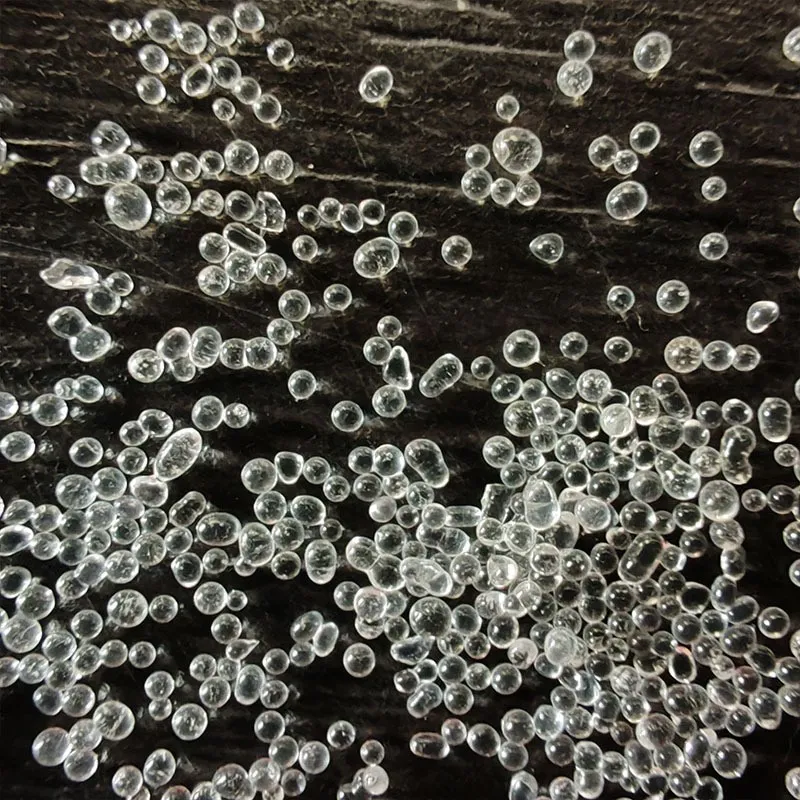
- Glass Beads for Polishing and Grinding: When using glass beads for polishing and grinding, the risk of dust generation is high. In addition to wearing appropriate PPE, make sure that the polishing or grinding machine is properly enclosed to contain the dust. Use dust collection systems to capture the dust at the source. Also, be aware of the heat generated during the process, as it can cause the glass beads to break and release more dust.
- Glass Beads for Road Marking: For road marking applications, workers are often exposed to traffic hazards in addition to the risks associated with glass beads. Wear high - visibility clothing to make yourself visible to motorists. When applying the glass beads, use equipment that is designed for road marking to ensure even distribution. Also, be careful not to spill the beads on the road surface, as it can create a slippery condition for vehicles.
Conclusion
Working with glass beads can be a rewarding and productive activity, but it also comes with certain risks. By following these safety precautions, you can minimize the chances of accidents and protect yourself and others. As a glass beads supplier, I'm committed to providing high - quality products and also ensuring that our customers are well - informed about safety.
If you're interested in purchasing glass beads for your specific application, I encourage you to reach out to discuss your needs. We can offer you the right type of glass beads and provide guidance on how to use them safely and effectively.
References
- Occupational Safety and Health Administration (OSHA) guidelines on working with particulate materials.
- Manufacturer's safety manuals for glass bead - related equipment.
- Industry best practices for handling and using glass beads in various applications.