

Hey there! I'm a supplier of ceramic parts, and today I wanna chat about the wear mechanisms of ceramic parts. Ceramics are pretty amazing materials, but like anything else, they can experience wear over time. Understanding these wear mechanisms is crucial for both us suppliers and you, the customers, to ensure the best performance and longevity of ceramic parts.
Abrasive Wear
One of the most common wear mechanisms for ceramic parts is abrasive wear. This happens when hard particles rub against the surface of the ceramic. These particles can come from a variety of sources, like dirt, sand, or other debris in the environment where the ceramic part is used.
Imagine a ceramic valve in a fluid - handling system. If the fluid contains small abrasive particles, as it flows through the valve, these particles will scrape against the ceramic surface. Over time, this scraping action can remove small amounts of material from the ceramic, causing the surface to become rough and eventually leading to a loss of performance.
The rate of abrasive wear depends on several factors. The hardness of the abrasive particles is a big one. If the particles are harder than the ceramic, they'll cause more wear. The size of the particles also matters. Larger particles can cause more significant damage compared to smaller ones. And the pressure between the abrasive particles and the ceramic surface plays a role too. Higher pressure means more force is applied during the rubbing action, which speeds up the wear process.
Adhesive Wear
Adhesive wear occurs when two surfaces in contact stick to each other and then separate, pulling material from one surface to the other. In the case of ceramic parts, this can happen when the ceramic is in contact with another material, like a metal.
Let's say you have a ceramic bearing in a machine. When the bearing rotates, there's contact between the ceramic and the metal shaft. At the microscopic level, the atoms on the surfaces of the ceramic and the metal can form temporary bonds. As the parts move relative to each other, these bonds break, and sometimes small pieces of the ceramic can be transferred to the metal surface or vice versa.
The amount of adhesive wear depends on the surface roughness of the two materials in contact. Rougher surfaces have more contact points, which increases the likelihood of adhesive bonds forming. The type of materials also matters. Some materials are more likely to form strong adhesive bonds than others. And the operating conditions, such as temperature and lubrication, can have a big impact. High temperatures can increase the chemical reactivity between the materials, making adhesive wear more likely. If there's not enough lubrication, the surfaces will come into closer contact, increasing the chances of adhesive bonds forming.
Erosive Wear
Erosive wear is caused by the impact of solid particles or liquid droplets on the ceramic surface. This is common in applications where the ceramic part is exposed to high - velocity flows.
For example, in a sandblasting machine, the ceramic nozzles are constantly bombarded with sand particles at high speeds. The impact of these particles on the ceramic surface causes material to be removed. Similarly, in a turbine, the ceramic blades can experience erosive wear due to the high - velocity flow of steam or gas containing small particles.
The severity of erosive wear depends on the velocity of the particles or droplets, their size, and the angle of impact. Higher velocities mean more energy is transferred to the ceramic surface when the particles hit it, causing more wear. Larger particles also cause more damage. And the angle of impact matters too. A perpendicular impact is usually more damaging than an oblique one.
Corrosive Wear
Ceramic parts can also experience corrosive wear when they're exposed to corrosive environments. This can happen in chemical processing plants, where the ceramic parts are in contact with acids, bases, or other corrosive substances.
The corrosion process involves a chemical reaction between the ceramic material and the corrosive agent. For example, some ceramics can react with acids to form soluble compounds, which are then washed away from the surface. This gradually reduces the thickness of the ceramic part and can lead to a loss of strength and performance.
The rate of corrosive wear depends on the type of ceramic material, the nature of the corrosive agent, and the temperature and pressure of the environment. Some ceramics are more resistant to corrosion than others. For instance, silicon carbide ceramics are known for their good corrosion resistance in many environments. The concentration of the corrosive agent also matters. Higher concentrations usually lead to faster corrosion. And high temperatures can accelerate the chemical reactions, increasing the rate of corrosive wear.
Fatigue Wear
Fatigue wear occurs when a ceramic part is subjected to repeated cyclic loading. This can happen in applications like engines or machinery where the ceramic part experiences alternating stresses.
Over time, the repeated loading causes small cracks to form in the ceramic material. These cracks gradually grow and eventually lead to the failure of the part. The number of cycles and the magnitude of the stress are important factors in fatigue wear. Higher stress levels and a larger number of cycles will cause the cracks to grow faster.
The microstructure of the ceramic also plays a role. Ceramics with a more uniform microstructure are generally more resistant to fatigue wear. And the presence of defects in the ceramic, such as pores or inclusions, can act as stress concentrators, increasing the likelihood of crack initiation.
How We Can Help
As a ceramic parts supplier, we're well - aware of these wear mechanisms. We use advanced manufacturing techniques to produce ceramic parts with high - quality microstructures, which can improve their resistance to wear. We also offer a wide range of ceramic materials, each with its own set of properties, so you can choose the one that's best suited for your specific application.
For example, if you're looking for a ceramic part that's highly resistant to abrasive wear, we might recommend a silicon nitride ceramic. If corrosion resistance is your main concern, our zirconia ceramics could be a great choice.
We also provide technical support to help you understand how to minimize wear in your applications. We can offer advice on proper lubrication, surface treatments, and operating conditions to extend the lifespan of your ceramic parts.
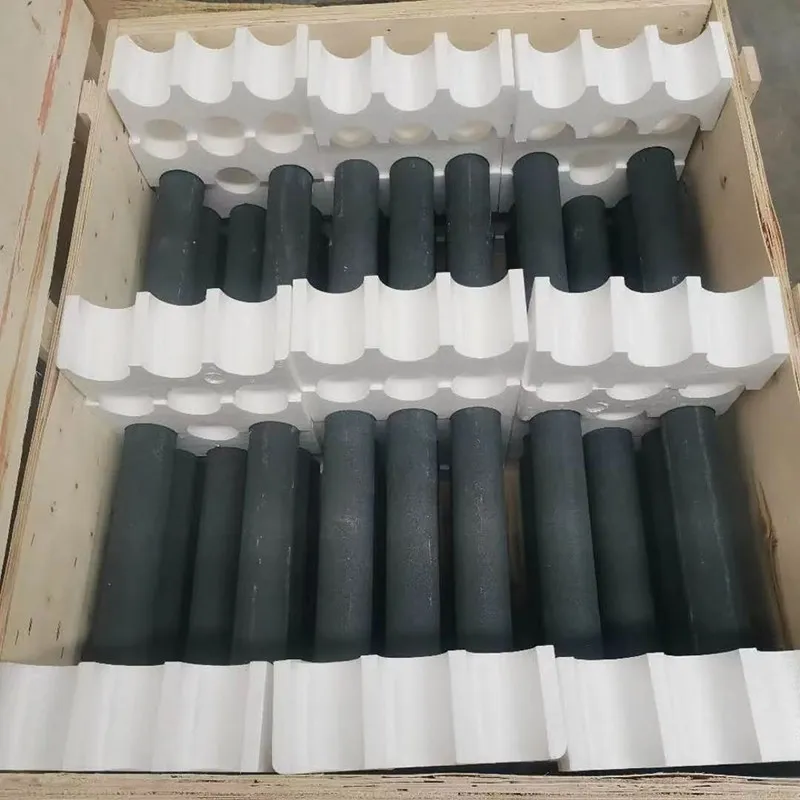

If you're in the market for ceramic parts, we've got a great product called the Porous Ceramic Filter Tube. It's designed to be highly efficient and durable, with excellent resistance to various wear mechanisms. Whether you need it for a filtration system in a chemical plant or a water treatment facility, this filter tube can meet your needs.
If you're interested in our ceramic parts or have any questions about wear mechanisms and how to choose the right ceramic for your application, don't hesitate to get in touch with us. We're here to help you find the best ceramic solutions for your business.
References
- "Ceramics: Structure, Properties, Processing, and Applications" by J. Reed
- "Wear of Materials" by M. Nahme and H. Czichos
- "Handbook of Ceramics Manufacturing Technology" by G. Lewis