

What is an abrasive belt used for?
Hey there! As an abrasive belt supplier, I often get asked about what these things are actually used for. Well, let me tell you, abrasive belts are super versatile and have a whole bunch of applications across different industries.
First off, let's talk about woodworking. If you're into making furniture, cabinets, or even just some small wooden crafts, abrasive belts are a game-changer. They're used for sanding down rough surfaces. When you cut a piece of wood, it usually has a rough edge or a bumpy texture. That's where abrasive belts come in. You can start with a coarse grit belt to quickly remove a large amount of material. For example, if you've just cut a thick plank of wood to size, a 40 - grit abrasive belt can quickly level the surface, getting rid of any saw marks. Then, as you move towards a smoother finish, you can switch to finer grits. A 120 - grit or 180 - grit belt will start giving that wood a much smoother feel, making it ready for staining or painting.
In the metalworking industry, abrasive belts are also extremely important. They're used for grinding and deburring metal parts. When you machine a metal component, there are often sharp edges or rough spots. An abrasive belt can be used to remove these imperfections. For instance, in the manufacturing of automotive parts like engine components or gears, abrasive belts are used to ensure that the parts are smooth and have the right dimensions. You can use high - performance abrasive belts with special abrasives like aluminum oxide or silicon carbide for different types of metals. For softer metals like aluminum, a milder abrasive might work just fine, but for harder metals like stainless steel, you'll need a more aggressive abrasive.
Another big area where abrasive belts are used is in the automotive refinishing process. When you're repainting a car or doing body repairs, you first need to prepare the surface. Abrasive belts are used to sand the old paint off, smooth out any dents or scratches, and create a nice, even surface for the new paint to adhere to. You can use different grits depending on the amount of damage and the stage of the repair. A coarser grit will quickly remove the old paint and level any major bumps, while a finer grit will give the final, smooth finish.
If you're into glassworking, abrasive belts can also play a role. You can use them to polish and shape glass. For example, in the production of glass countertops or artistic glass pieces, an abrasive belt can be used to smooth the edges and create a nice, polished look.
Now, let me tell you a bit about the different types of abrasive belts out there. One option is the Abrasive Cloth Backed Rolls. These are great because they're flexible and can conform to different shapes. They're often used in applications where you need to work on curved surfaces, like in furniture making or some metalworking tasks. Another type is Black SiC Waterproof Abrasive Paper. This type is very useful when you're working with wet processes, like wet sanding in automotive refinishing or some metal polishing tasks. The waterproof feature ensures that the paper doesn't break down easily and keeps working effectively even in wet conditions.
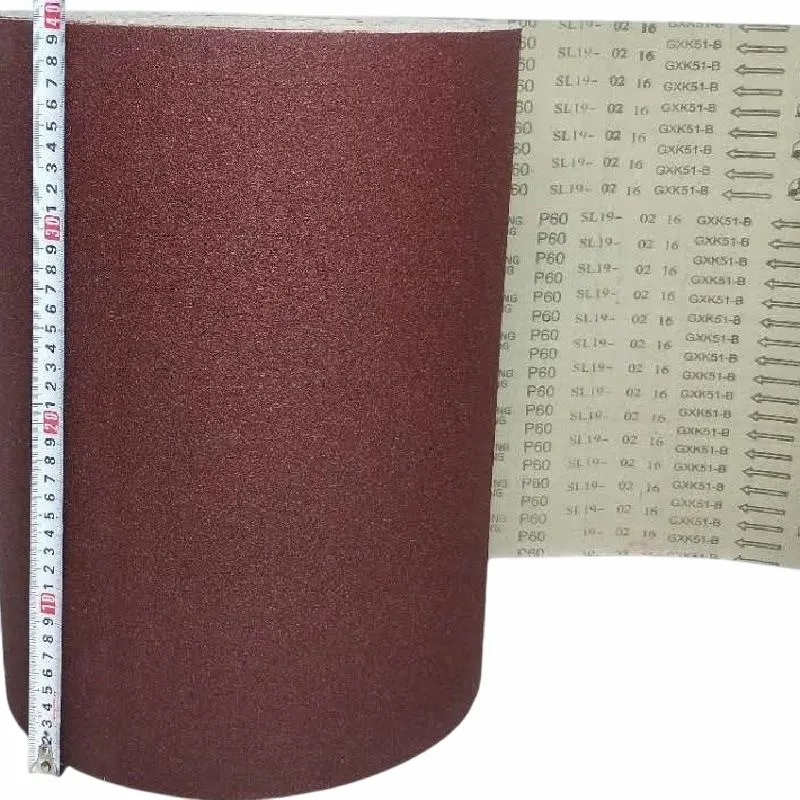

If you have a specific job in mind and need a custom - made abrasive belt, we've got you covered. You can check out our Custom Abrasive Sanding Belts. We can make belts in different sizes, grits, and with various abrasives to suit your exact needs. Whether you need a small belt for a precision job or a large one for heavy - duty grinding, we can create it for you.
So, if you're in the market for abrasive belts for your woodworking, metalworking, automotive, or any other projects, don't hesitate to reach out. We're here to provide you with the best quality abrasive belts at competitive prices. Whether you're a professional in an industrial setting or a DIY enthusiast working on a home project, we've got the right belt for you. Just drop us a message and let's discuss your requirements. We're happy to help you find the perfect abrasive belt solution for your job.
References
General knowledge about abrasive belt applications in various industries
Industry - specific literature on woodworking, metalworking, automotive refinishing, and glassworking