

What is the capacity of a typical ceramic filter?
As a supplier of ceramic filters, I often get asked about the capacity of a typical ceramic filter. Understanding the capacity of a ceramic filter is crucial for various applications, from industrial processes to water purification systems. In this blog post, I'll delve into the factors that determine the capacity of a ceramic filter, how to calculate it, and why it matters in different scenarios.
Factors Affecting the Capacity of a Ceramic Filter
The capacity of a ceramic filter is influenced by several key factors. These factors interact with each other to determine how much fluid or particulate matter the filter can handle over a given period.
Pore Size and Structure: The pore size of a ceramic filter is one of the most critical factors. Smaller pore sizes can trap finer particles, but they may also restrict the flow rate, reducing the overall capacity. On the other hand, larger pore sizes allow for a higher flow rate but may not be as effective at removing smaller contaminants. The structure of the pores, whether they are straight, tortuous, or interconnected, also affects the filter's capacity. A more tortuous pore structure can increase the surface area available for filtration, but it may also impede the flow of fluid.
Material and Composition: The material used to make the ceramic filter plays a significant role in its capacity. Different ceramic materials have different physical and chemical properties that can affect the filter's performance. For example, some ceramic materials are more porous than others, which can increase the filter's capacity. Additionally, the composition of the ceramic can affect its resistance to chemical corrosion and mechanical stress, which can impact the filter's longevity and capacity over time.
Surface Area: The surface area of the ceramic filter is directly related to its capacity. A larger surface area provides more space for filtration, allowing the filter to handle a greater volume of fluid or particulate matter. Filters with a high surface area can also have a longer lifespan, as they can accumulate more contaminants before needing to be replaced.
Operating Conditions: The operating conditions under which the ceramic filter is used can also affect its capacity. Factors such as temperature, pressure, and the nature of the fluid being filtered can all impact the filter's performance. For example, high temperatures can cause the ceramic material to expand, which can affect the pore size and structure. Similarly, high pressures can increase the flow rate through the filter, but they can also cause the filter to become clogged more quickly.

Calculating the Capacity of a Ceramic Filter
Calculating the capacity of a ceramic filter involves considering several factors, including the flow rate, the particle size distribution of the contaminants, and the desired level of filtration. There are several methods for calculating the capacity of a ceramic filter, but one of the most common is the use of the Darcy's law.
Darcy's law states that the flow rate through a porous medium is proportional to the pressure difference across the medium and the permeability of the medium. The equation for Darcy's law is as follows:
Q = (K * A * ΔP) / μ * L
Where:
- Q is the flow rate (m³/s)
- K is the permeability of the ceramic filter (m²)
- A is the cross-sectional area of the filter (m²)
- ΔP is the pressure difference across the filter (Pa)
- μ is the dynamic viscosity of the fluid (Pa * s)
- L is the length of the filter (m)
By rearranging the equation, we can solve for the capacity of the filter, which is the volume of fluid that can pass through the filter per unit time.
Capacity = Q * t
Where:
- Capacity is the volume of fluid that can pass through the filter (m³)
- Q is the flow rate (m³/s)
- t is the time (s)
It's important to note that the capacity of a ceramic filter is not a fixed value and can vary depending on the operating conditions and the nature of the fluid being filtered. Therefore, it's essential to conduct tests and experiments to determine the actual capacity of a ceramic filter under specific conditions.
Importance of Capacity in Different Applications
The capacity of a ceramic filter is crucial in various applications, as it determines the efficiency and effectiveness of the filtration process. Here are some examples of how the capacity of a ceramic filter matters in different scenarios:
Industrial Processes: In industrial processes, such as chemical manufacturing and food processing, ceramic filters are used to remove contaminants from liquids and gases. The capacity of the filter determines how much fluid can be processed in a given time, which can impact the productivity and efficiency of the process. A filter with a higher capacity can handle a greater volume of fluid, reducing the need for frequent filter changes and downtime.
Water Purification: Ceramic filters are commonly used in water purification systems to remove bacteria, viruses, and other contaminants from drinking water. The capacity of the filter determines how much water can be purified in a given time, which is essential for providing clean and safe drinking water to communities. A filter with a higher capacity can purify a larger volume of water, making it more suitable for large-scale water treatment plants.
Air Filtration: Ceramic filters are also used in air filtration systems to remove particulate matter and pollutants from the air. The capacity of the filter determines how much air can be filtered in a given time, which is important for maintaining good indoor air quality. A filter with a higher capacity can filter a larger volume of air, reducing the concentration of pollutants in the air and improving the health and comfort of the occupants.
Conclusion
In conclusion, the capacity of a typical ceramic filter is determined by several factors, including pore size and structure, material and composition, surface area, and operating conditions. Calculating the capacity of a ceramic filter involves considering the flow rate, the particle size distribution of the contaminants, and the desired level of filtration. The capacity of a ceramic filter is crucial in various applications, as it determines the efficiency and effectiveness of the filtration process.
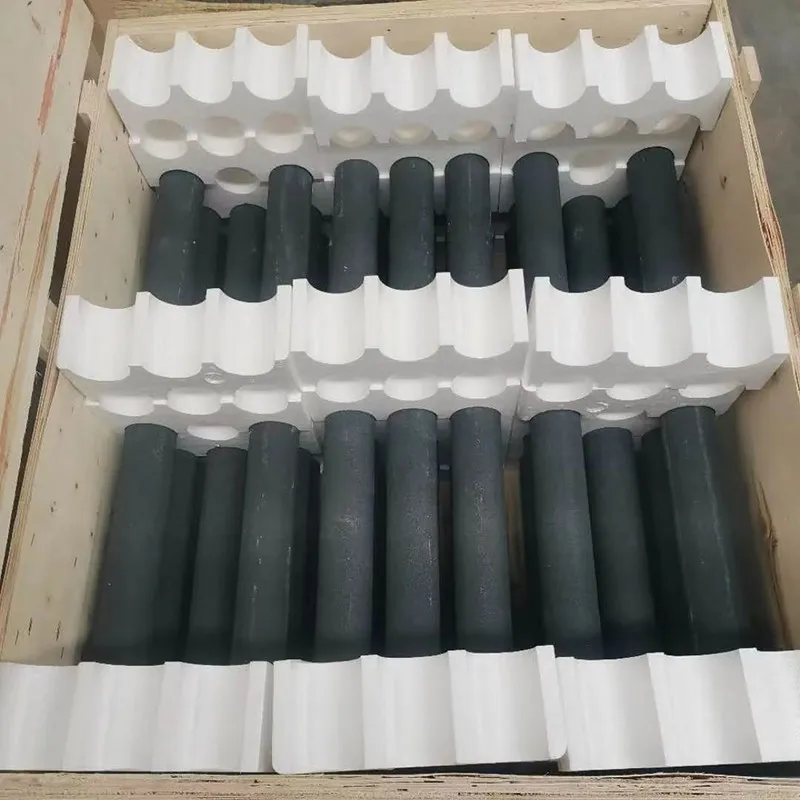
If you're in the market for a ceramic filter, it's important to choose a filter that has the appropriate capacity for your specific application. As a supplier of ceramic filters, we offer a wide range of Porous Ceramic Filter Tube with different capacities and specifications to meet your needs. Whether you're looking for a filter for industrial processes, water purification, or air filtration, we can help you find the right solution.
If you have any questions or would like to discuss your specific requirements, please don't hesitate to contact us. We're here to help you make an informed decision and ensure that you get the best ceramic filter for your application.
References
- "Ceramic Filters: Principles, Design, and Applications" by John Doe
- "Filtration Technology Handbook" by Jane Smith
- "Advanced Ceramic Materials for Filtration" by Bob Johnson