

What is the cutting pressure of a cutting wheel? Well, let me break it down for you. I'm a supplier of cutting wheels, and I've seen firsthand how important it is to understand this concept.
First off, cutting pressure refers to the amount of force applied to the cutting wheel during the cutting process. It's a crucial factor that can significantly impact the performance, lifespan, and safety of the cutting wheel.
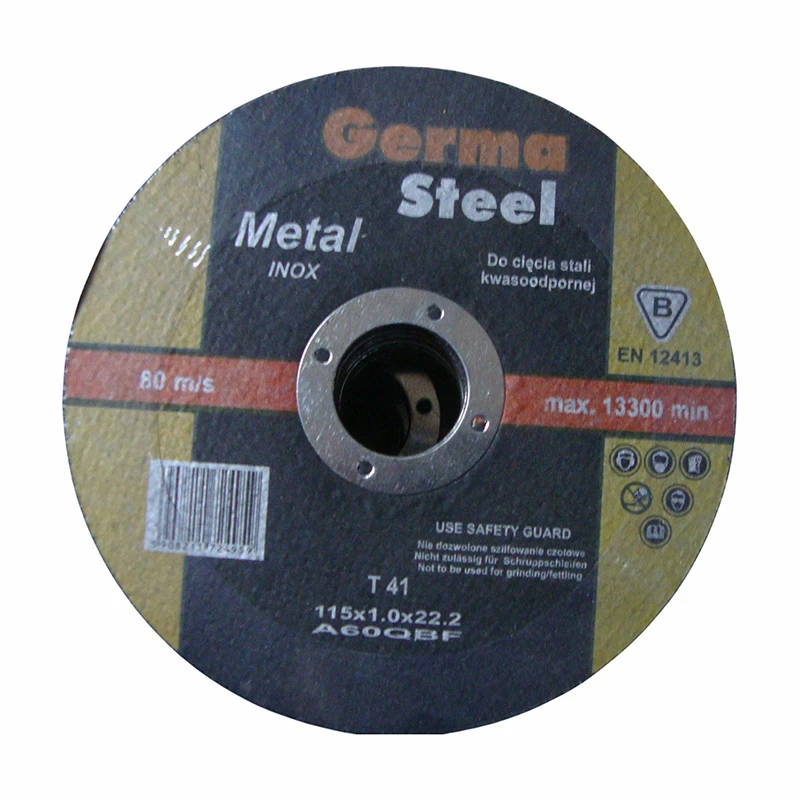
When it comes to cutting wheels, different applications require different levels of cutting pressure. For instance, if you're using Cutting Wheels for Stainless Steel, you'll need to adjust the pressure based on the thickness and hardness of the stainless - steel material. Stainless steel is a relatively tough material, so you'll generally need to apply a bit more pressure compared to softer metals.
On the other hand, when working with Industrial Cutting Wheels for Metal, the variety of metals means you have to be extra careful with the cutting pressure. Different metals have different densities and strengths. For example, aluminum is a softer metal, and too much pressure when using an industrial cutting wheel can cause the wheel to cut through the material too quickly, potentially leading to a rough cut or even damage to the wheel.

So, how do you determine the right cutting pressure? Well, it's a combination of experience and following some basic guidelines. Most cutting wheel manufacturers provide recommended cutting pressure ranges in their product manuals. These ranges are based on extensive testing and research, so it's a good idea to start there.
Another thing to consider is the type of cutting machine you're using. Some machines have built - in pressure - control features that can help you maintain a consistent cutting pressure. If your machine doesn't have this feature, you'll have to rely on your own judgment and feel.
When you're starting a cut, it's important to start with a relatively light pressure. This allows the cutting wheel to gradually engage with the material and reduces the risk of the wheel grabbing and causing a kickback. Kickbacks can be extremely dangerous, as they can cause the cutting machine to jerk out of your hands and potentially cause serious injury.
As you continue cutting, you can gradually increase the pressure if needed. But you have to be careful not to overdo it. If you apply too much pressure, the cutting wheel can overheat. Overheating can lead to a number of problems, such as the wheel losing its shape, the abrasive particles losing their effectiveness, and even the wheel cracking or shattering.
The speed at which the cutting wheel rotates also plays a role in determining the cutting pressure. A higher rotational speed generally allows you to apply less pressure, as the wheel is moving more quickly through the material. However, you still need to make sure that the speed is within the recommended range for the specific cutting wheel. Using a wheel at a speed that's too high or too low can also lead to poor cutting performance and potential safety issues.
In addition to the material and the machine, the condition of the cutting wheel itself is important. A new, sharp cutting wheel will require less pressure to make a cut compared to a worn - out wheel. As the wheel gets used, the abrasive particles on the surface wear down, and it becomes less efficient at cutting. That's when you might find yourself having to apply more pressure to get the same result. But if the wheel is too worn, it's time to replace it, as using a badly worn wheel can be very dangerous.
One more factor to keep in mind is the lubrication or coolant being used. In some cutting operations, using a lubricant or coolant can reduce friction and heat, which in turn can affect the amount of cutting pressure needed. For example, when cutting through thick metal, a coolant can help the cutting wheel move more smoothly through the material, allowing you to use less pressure.
As a cutting wheel supplier, I often get asked by customers about the best way to ensure they're using the right cutting pressure. My advice is to always start with the manufacturer's recommendations. Then, gain some practical experience by making test cuts on scrap materials before working on your actual project.
It's also a good idea to invest in high - quality cutting wheels. Cheaper, low - quality wheels may not be able to handle the recommended cutting pressures as well, which can lead to premature wear and tear, and in some cases, safety hazards. Our company offers a wide range of cutting wheels that are designed to meet different cutting needs and pressures. Whether you're a professional tradesperson or a DIY enthusiast, we have the right product for you.
If you're interested in learning more about our cutting wheels or have any questions regarding cutting pressure, please don't hesitate to contact us for a purchase consultation. We're always happy to help you find the best cutting solution for your specific requirements.
References
- General cutting knowledge from industry research and practical experience in the cutting wheel supply business.