

In the world of manufacturing and metalworking, coated abrasives play a pivotal role. As a seasoned supplier of coated abrasives, I've witnessed firsthand the significance of understanding various aspects of these essential tools. One of the most critical factors that often comes up in discussions with clients is the cutting speed of coated abrasives. In this blog, I'll delve deep into what cutting speed is, its importance, and how it impacts the performance of different types of coated abrasives.
Understanding Cutting Speed
Cutting speed, in the context of coated abrasives, refers to the rate at which the abrasive material removes the workpiece material. It is typically measured in surface feet per minute (SFM) or meters per minute (m/min). This speed is influenced by several factors, including the type of abrasive grain, the bond between the grain and the backing material, the pressure applied during the grinding or sanding process, and the hardness of the workpiece.
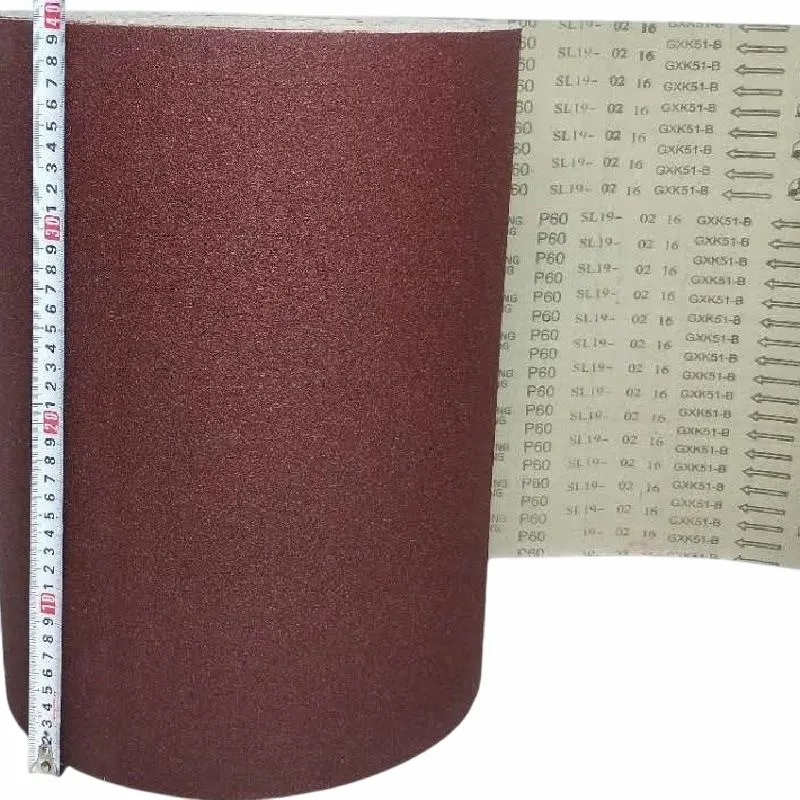
The cutting speed is not a fixed value but rather a range that depends on the specific application and the type of coated abrasive being used. For example, when using an Abrasive Belt for heavy - stock removal on a soft metal like aluminum, a higher cutting speed can be achieved compared to using the same belt on a hard alloy steel.
Importance of Cutting Speed
The cutting speed of coated abrasives is crucial for several reasons. Firstly, it directly affects the efficiency of the grinding or sanding process. A higher cutting speed means that more material can be removed in a shorter period, which can significantly increase productivity. This is especially important in high - volume manufacturing environments where time is of the essence.
Secondly, cutting speed impacts the quality of the finished surface. If the cutting speed is too low, the abrasive may rub against the workpiece rather than cutting it effectively. This can lead to a rough surface finish, increased heat generation, and even workpiece deformation in some cases. On the other hand, if the cutting speed is too high, the abrasive grains may wear out too quickly, resulting in a shorter lifespan of the coated abrasive and potentially causing damage to the workpiece due to excessive heat.
Factors Affecting Cutting Speed
Abrasive Grain Type
Different abrasive grains have different cutting capabilities. For example, aluminum oxide is a common abrasive grain used in coated abrasives. It is relatively tough and can withstand high - pressure applications. It is suitable for grinding ferrous metals and has a good cutting speed on a wide range of materials. Silicon carbide, on the other hand, is a harder and sharper abrasive grain. It is often used for non - ferrous metals, ceramics, and composites. Black SiC Waterproof Abrasive Paper is an excellent example of a coated abrasive that uses silicon carbide grains and can achieve a high cutting speed on materials like glass and plastics.
Bond Type
The bond that holds the abrasive grains to the backing material also affects the cutting speed. There are different types of bonds, such as resin bonds, vulcanized rubber bonds, and pressure - sensitive adhesive bonds. Resin - bonded coated abrasives are known for their high - temperature resistance and can maintain a stable cutting speed even under heavy - load conditions. Vulcanized rubber - bonded abrasives are more flexible and can conform to irregular surfaces, but their cutting speed may be slightly lower compared to resin - bonded ones.
Workpiece Material
The hardness and composition of the workpiece material have a significant impact on the cutting speed. Soft materials like wood, plastics, and some non - ferrous metals allow for higher cutting speeds as they are easier to cut. Harder materials such as hardened steels, titanium alloys, and ceramics require lower cutting speeds to avoid excessive wear on the abrasive and to ensure a good surface finish.
Coated Abrasive Design
The design of the coated abrasive, including the grain size, grain density, and backing material, also plays a role in determining the cutting speed. Coarse - grained coated abrasives are generally used for rapid stock removal and can achieve higher cutting speeds compared to fine - grained ones. The backing material, whether it is paper, cloth, or a combination of both, affects the flexibility and durability of the coated abrasive, which in turn can influence the cutting speed. For instance, Abrasive Cloth is more flexible than abrasive paper and can be used in applications where conformability is required, but the cutting speed may vary depending on the specific cloth type and grain configuration.
Measuring and Controlling Cutting Speed
Measuring the cutting speed accurately is essential for optimizing the performance of coated abrasives. In industrial settings, specialized equipment such as tachometers and surface speed meters can be used to measure the rotational speed of the abrasive wheel or belt and calculate the cutting speed.
Controlling the cutting speed can be achieved through several means. Adjusting the speed of the grinding or sanding machine is the most straightforward method. Modern machines often come with variable speed controls that allow operators to set the cutting speed according to the specific requirements of the application. Additionally, the pressure applied during the grinding or sanding process can also be adjusted to control the cutting speed. Applying too much pressure can increase the cutting speed but may also lead to premature wear of the abrasive, while applying too little pressure can result in a slow and inefficient cutting process.
Case Studies
Let's take a look at a couple of real - world case studies to illustrate the importance of cutting speed.
Case 1: A metal fabrication shop was using an abrasive belt for deburring and edge - rounding on stainless steel parts. Initially, they were running the belt at a relatively low speed, which was resulting in a long processing time and a rough surface finish. After consulting with our technical team, they increased the cutting speed to the recommended level for stainless steel. As a result, the processing time was reduced by 30%, and the surface finish improved significantly.
Case 2: A woodworking company was using abrasive paper for sanding furniture pieces. They were using a fine - grained paper at a high cutting speed, which was causing the paper to wear out quickly. By reducing the cutting speed and switching to a coarser - grained paper for the initial sanding stage, they were able to extend the lifespan of the abrasive paper by 40% and improve the overall sanding efficiency.
Conclusion
In conclusion, the cutting speed of coated abrasives is a complex yet critical factor that can significantly impact the efficiency and quality of grinding and sanding operations. As a supplier of coated abrasives, we understand the importance of providing our customers with the right information and products to optimize cutting speed. Whether you are in the metalworking, woodworking, or any other industry that relies on coated abrasives, choosing the right abrasive, understanding the factors that affect cutting speed, and measuring and controlling it accurately are essential for achieving the best results.
If you are looking for high - quality coated abrasives and need advice on optimizing cutting speed for your specific application, we are here to help. Contact us today to start a discussion about your procurement needs and how we can work together to improve your manufacturing processes.

References
- Boothroyd, G., & Knight, W. A. (2006). Fundamentals of Machining and Machine Tools. Marcel Dekker.
- Kalpakjian, S., & Schmid, S. R. (2010). Manufacturing Engineering and Technology. Pearson.
- Trent, E. M., & Wright, P. K. (2000). Metal Cutting. Butterworth - Heinemann.