

As a cutting wheel supplier, I've witnessed firsthand the significance of using the right cutting wheel for different metals. The choice between a cutting wheel for aluminum and one for other metals is not just a matter of preference but a crucial decision that impacts the quality of the cut, the lifespan of the wheel, and overall safety. In this blog, I'll delve into the key differences between these two types of cutting wheels to help you make an informed choice.
Composition and Abrasive Materials
The most fundamental difference between cutting wheels for aluminum and those for other metals lies in their composition and the abrasive materials used.
Cutting wheels for aluminum typically feature a softer abrasive material. Aluminum is a relatively soft metal with a low melting point. Using a wheel with a hard abrasive can cause the aluminum to clog the wheel. The clogging occurs because the soft aluminum adheres to the abrasive grains, reducing the wheel's cutting efficiency and increasing the risk of overheating. To prevent this, cutting wheels for aluminum often use abrasives like silicon carbide. Silicon carbide is a sharp and friable abrasive that breaks down easily, constantly exposing new cutting edges. This self - sharpening property helps to keep the wheel from clogging and ensures a smooth cut on aluminum.
On the other hand, cutting wheels for other metals, such as steel or Cutting Wheels for Stainless Steel, usually employ harder abrasives like aluminum oxide. These metals are much harder than aluminum, and a harder abrasive is required to effectively cut through them. Aluminum oxide abrasives are tough and durable, capable of withstanding the high pressures and forces involved in cutting hard metals. They maintain their shape and cutting ability for a longer time when used on hard metal surfaces, providing consistent performance throughout the cutting process.
Bonding Agents
The bonding agents used in cutting wheels also vary depending on whether the wheel is designed for aluminum or other metals.
For cutting wheels used on aluminum, a more flexible bonding agent is often preferred. The flexibility allows the wheel to conform slightly to the surface of the aluminum, reducing the chances of chipping or cracking the relatively soft metal. A flexible bond also helps to dissipate heat more effectively, which is crucial when cutting aluminum due to its low melting point. Excessive heat can cause the aluminum to melt and stick to the wheel, further clogging it and potentially damaging the workpiece.
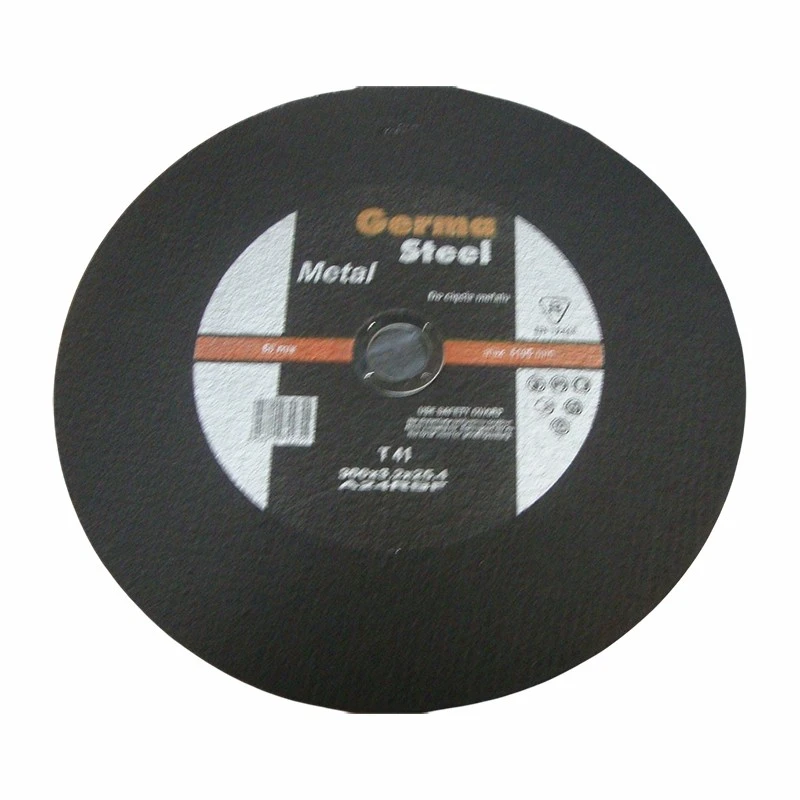
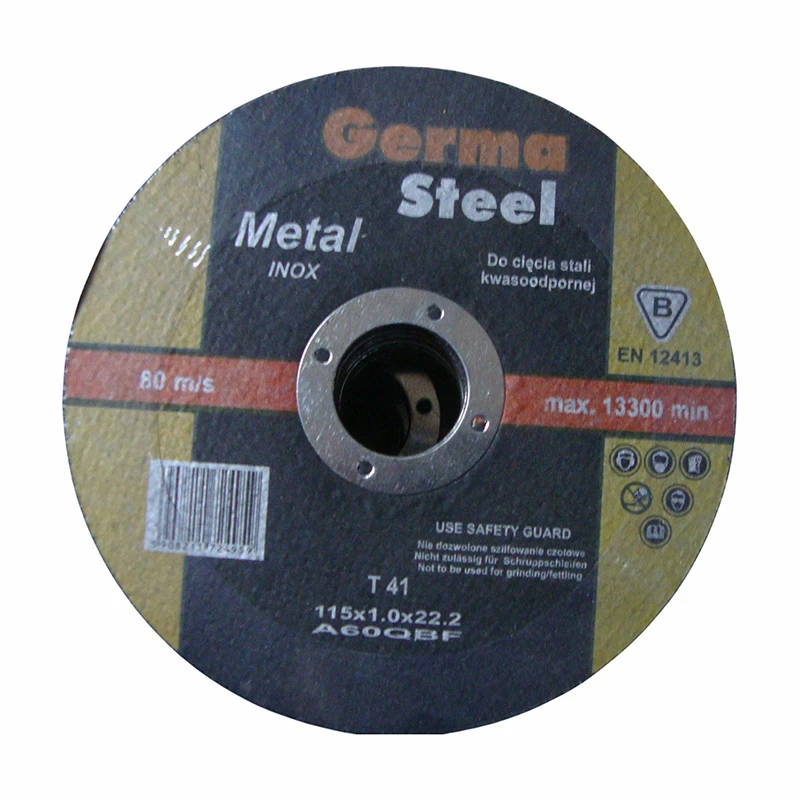
In contrast, cutting wheels for other metals typically have a more rigid bonding agent. When cutting hard metals like steel or stainless steel, a rigid bond is necessary to hold the abrasive grains firmly in place. The high forces and pressures generated during the cutting process can easily dislodge the abrasive grains if the bond is too flexible. A rigid bond ensures that the wheel maintains its shape and cutting integrity, allowing for precise and efficient cuts on hard metal surfaces.
Cutting Speed and Feed Rate
The recommended cutting speed and feed rate for cutting wheels also differ based on the type of metal being cut.
When using a cutting wheel for aluminum, lower cutting speeds and higher feed rates are generally recommended. Aluminum's softness means that it can be cut relatively easily. High cutting speeds can generate excessive heat, which, as mentioned earlier, can lead to clogging and melting of the aluminum. By using a lower cutting speed and a higher feed rate, the wheel can remove the aluminum material at a steady pace without overheating. This approach also helps to maintain a clean and smooth cut surface on the aluminum workpiece.
For cutting wheels used on other metals, higher cutting speeds and lower feed rates are often the norm. Hard metals require more force to cut through, and higher cutting speeds can increase the cutting efficiency. A lower feed rate allows the wheel to penetrate the hard metal gradually, ensuring a more precise cut and reducing the wear on the wheel. However, it's important to note that the specific cutting speed and feed rate also depend on factors such as the type of cutting machine, the thickness of the metal, and the quality of the cutting wheel.
Heat Generation and Dissipation
Heat generation is a critical factor in the cutting process, and the way cutting wheels for aluminum and other metals handle heat differs significantly.
As mentioned earlier, aluminum has a low melting point, so heat management is crucial when cutting it. Cutting wheels for aluminum are designed to dissipate heat quickly. The softer abrasive materials and flexible bonding agents used in these wheels help to reduce friction during the cutting process, which in turn generates less heat. Additionally, the self - sharpening property of silicon carbide abrasives ensures that the wheel remains efficient, reducing the need for excessive force that could generate more heat.
In the case of cutting wheels for other metals, while heat generation is also a concern, the hard metals can generally withstand higher temperatures. However, excessive heat can still cause damage to the cutting wheel and the workpiece. Cutting wheels for hard metals often have features such as ventilation holes or special coatings to improve heat dissipation. These features help to prevent the wheel from overheating, which can lead to premature wear and reduced cutting performance.
Wheel Design and Structure
The design and structure of cutting wheels for aluminum and other metals also show some differences.
Cutting wheels for aluminum may have a more open structure. An open structure allows for better chip evacuation, which is essential when cutting aluminum to prevent clogging. The spaces between the abrasive grains in the wheel allow the aluminum chips to escape easily, keeping the wheel clean and maintaining its cutting efficiency.
Cutting wheels for other metals, especially those for thick or hard metals, may have a denser structure. A denser structure provides more support for the abrasive grains, allowing the wheel to withstand the high forces involved in cutting hard metals. It also helps to maintain the wheel's shape and integrity during the cutting process, ensuring precise and consistent cuts.
Application and Performance
The specific applications and performance requirements of cutting wheels for aluminum and other metals are distinct.
Cutting wheels for aluminum are mainly used in industries such as automotive manufacturing, aerospace, and electronics, where aluminum is widely used due to its lightweight and corrosion - resistant properties. These wheels are designed to provide clean and smooth cuts on aluminum sheets, tubes, and profiles. They are also used for deburring and finishing aluminum parts to achieve the desired surface quality.
Cutting wheels for other metals, such as Cutting Wheels for Metal, find applications in a wide range of industries, including construction, metal fabrication, and machinery manufacturing. They are used to cut various types of hard metals, including steel, stainless steel, and cast iron. These wheels are expected to provide high - precision cuts, durability, and long service life, especially when dealing with thick or large - scale metal workpieces.
Safety Considerations
Safety is of utmost importance when using cutting wheels, and the safety considerations also vary depending on the type of metal being cut.
When using a cutting wheel for aluminum, there is a risk of the aluminum chips catching fire. Aluminum chips are highly flammable, especially when they are fine and airborne. It's essential to have proper ventilation in the cutting area to prevent the accumulation of aluminum chips. Additionally, fire - prevention measures should be in place, such as having fire extinguishers nearby.
When cutting other metals, especially hard metals, the high forces and pressures involved can cause the cutting wheel to shatter if it is not used correctly. Operators should always wear appropriate personal protective equipment (PPE), including safety glasses, face shields, and gloves. The cutting machine should also be properly maintained and calibrated to ensure safe operation.
In conclusion, the differences between a cutting wheel for aluminum and a cutting wheel for other metals are significant and should not be overlooked. As a cutting wheel supplier, I understand the importance of providing the right product for each specific application. Choosing the appropriate cutting wheel based on the type of metal being cut can improve the cutting quality, increase the lifespan of the wheel, and enhance overall safety.
If you're in the market for cutting wheels, whether for aluminum or other metals, I encourage you to reach out to discuss your specific requirements. Our team of experts can help you select the most suitable cutting wheels for your projects, ensuring optimal performance and cost - effectiveness.
References
- American National Standards Institute (ANSI). Safety Requirements for Abrasive Wheels.
- Industrial Metal Cutting Handbook. McGraw - Hill.
- Abrasive Engineering and Technology: Principles, Processes, and Applications. Wiley.