

Hey there! As a cutting wheel supplier, I often get asked about the lifespan of cutting wheels. It's a crucial question, especially for those who rely on these tools daily. So, let's dive right in and explore what affects the lifespan of a cutting wheel and how you can make the most of it.
Factors Affecting the Lifespan of a Cutting Wheel
1. Material Being Cut
The type of material you're cutting plays a huge role in how long your cutting wheel will last. For instance, cutting through soft materials like aluminum is a lot easier on the wheel compared to cutting through hard materials like stainless steel. When you're cutting hard materials, the wheel has to work harder, which leads to more wear and tear. That's why we have specialized Cutting Wheels for Stainless Steel that are designed to withstand the challenges of cutting this tough material.
2. Wheel Quality
Not all cutting wheels are created equal. Higher - quality wheels are made with better materials and manufacturing processes. They have a more consistent bond and abrasive grains, which means they'll last longer. Cheaper wheels might seem like a good deal at first, but they often wear out quickly and can even pose safety risks. At our place, we only offer top - notch Cutting Wheels for Metal that are built to last.
3. Cutting Speed and Pressure
How you use the cutting wheel also matters. If you're pushing down too hard on the wheel or cutting at an extremely high speed, it can cause the wheel to wear out faster. You should always follow the manufacturer's recommendations for cutting speed and pressure. This ensures that the wheel is working efficiently without being overstressed.
4. Operator Skill
A skilled operator can make a big difference in the lifespan of a cutting wheel. An experienced person knows how to position the wheel correctly, apply the right amount of pressure, and control the cutting speed. On the other hand, a novice operator might make mistakes that can shorten the wheel's life. That's why it's important to provide proper training to anyone using the cutting wheels.
Average Lifespan of Different Types of Cutting Wheels
Thin Cutting Wheels
Thin cutting wheels are commonly used for precision cutting. They're usually around 0.04 inches (1 mm) thick. These wheels are great for making quick cuts, but they also wear out relatively fast. Depending on the material being cut and the usage conditions, a thin cutting wheel might last anywhere from a few cuts to a few hours of continuous use.
Thick Cutting Wheels
Thick cutting wheels, which can be up to 0.125 inches (3.2 mm) thick, are more durable. They're designed for heavy - duty cutting tasks. A thick cutting wheel can last much longer than a thin one, especially when used for cutting hard materials. In some cases, a thick cutting wheel can last for several days or even weeks of regular use.
Tips to Extend the Lifespan of Your Cutting Wheel
1. Proper Storage
Storing your cutting wheels correctly is essential. Keep them in a dry, cool place away from direct sunlight and moisture. If the wheels get wet, it can damage the bond between the abrasive grains, which will reduce their lifespan.

2. Regular Inspection
Before each use, inspect the cutting wheel for any signs of damage, such as cracks or chips. Using a damaged wheel is not only dangerous but also means that it won't last as long. If you notice any issues, replace the wheel immediately.
3. Use the Right Wheel for the Job
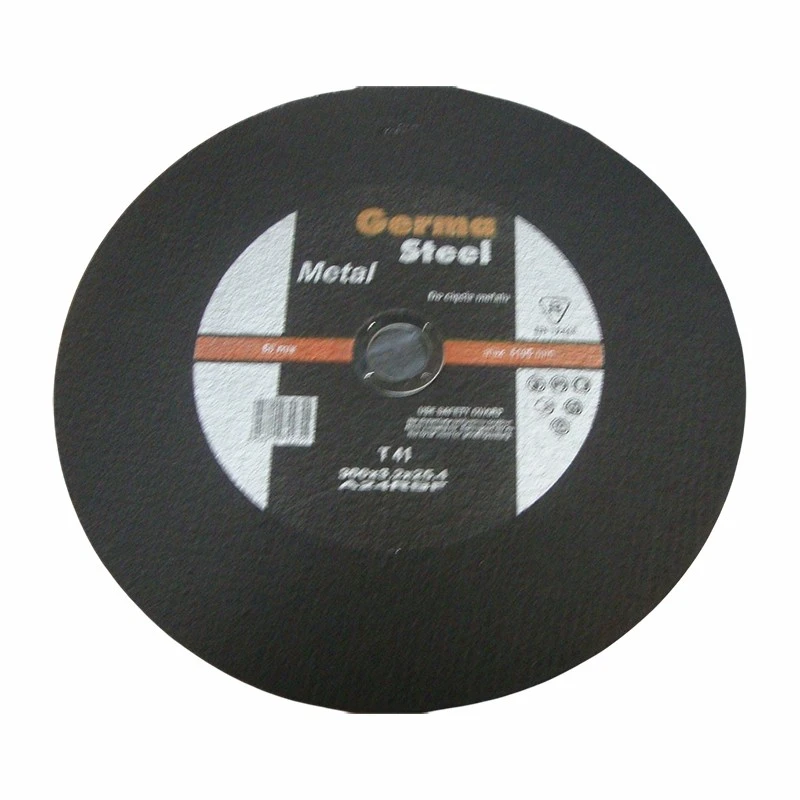
Don't try to use a cutting wheel designed for one material on another. For example, using a wheel meant for cutting wood on metal will not only result in a poor cut but will also wear out the wheel quickly. Always choose the appropriate Cutting Wheels for Metal or Cutting Wheels for Stainless Steel for your specific task.
Real - World Examples
Let me share a couple of real - world examples to give you a better idea of how these factors can impact the lifespan of a cutting wheel.
One of our customers, a metal fabrication shop, was using a low - quality cutting wheel to cut stainless steel. They were constantly having to replace the wheels, which was costing them a lot of money. After we recommended our Cutting Wheels for Stainless Steel, they noticed a significant improvement. The new wheels lasted much longer, and the cuts were cleaner. This not only saved them money on wheel replacements but also increased their productivity.

Another customer, a DIY enthusiast, was cutting aluminum with a thick cutting wheel. He was applying too much pressure and cutting at a high speed. As a result, the wheel started to wear out quickly. After we gave him some tips on proper cutting techniques, he was able to extend the life of the wheel and get better results.
Conclusion
So, as you can see, the lifespan of a cutting wheel depends on several factors, including the material being cut, wheel quality, cutting speed and pressure, and operator skill. By understanding these factors and following the tips I've shared, you can make your cutting wheels last longer.
If you're in the market for high - quality cutting wheels, we're here to help. Whether you need Cutting Wheels for Stainless Steel or Cutting Wheels for Metal, we've got you covered. Feel free to reach out to us to discuss your specific needs and start a procurement conversation. We're looking forward to working with you!
References
- "Cutting Tools Handbook", Industrial Tooling Institute
- Manufacturer's guides for cutting wheels