

In the field of industrial machining, rough grinding plays a pivotal role in shaping raw materials into the desired forms. Among the various tools used for rough grinding, the cup grinding wheel stands out as a highly efficient and versatile option. As a trusted supplier of cup grinding wheels, I often receive inquiries about the material removal rate (MRR) in rough grinding with these wheels. In this blog post, I will delve into the concept of MRR, its significance in rough grinding with cup grinding wheels, and the factors that influence it.

Understanding the Material Removal Rate
The material removal rate is a crucial parameter in grinding operations. It refers to the volume of material removed from the workpiece per unit of time, typically measured in cubic millimeters per second (mm³/s) or cubic inches per minute (in³/min). A high MRR indicates that the grinding process is efficient, as more material can be removed in a shorter period. This is particularly important in rough grinding, where the primary goal is to quickly reduce the size and shape of the workpiece to approximate dimensions before proceeding to finishing operations.
Significance of MRR in Rough Grinding with Cup Grinding Wheels
Cup grinding wheels are widely used in rough grinding applications due to their large contact area and high cutting efficiency. The high MRR achievable with cup grinding wheels allows for rapid material removal, which translates into shorter machining times and increased productivity. This is especially beneficial in industries such as metal fabrication, automotive manufacturing, and aerospace, where large volumes of material need to be removed from workpieces.
Moreover, a high MRR can also lead to cost savings. By reducing the machining time, manufacturers can save on labor costs and increase the throughput of their production lines. Additionally, faster material removal can reduce the wear and tear on the grinding wheel, extending its service life and reducing the frequency of wheel replacements.
Factors Influencing the Material Removal Rate
Several factors can influence the material removal rate in rough grinding with cup grinding wheels. Understanding these factors is essential for optimizing the grinding process and achieving the desired MRR.
1. Wheel Characteristics
- Grain Size: The grain size of the abrasive particles in the cup grinding wheel has a significant impact on the MRR. Coarser grains generally result in a higher MRR because they can remove larger chips of material with each pass. However, coarser grains may also leave a rougher surface finish on the workpiece.
- Bond Type: The bond type holds the abrasive grains together in the grinding wheel. Different bond types have different strengths and hardnesses, which can affect the MRR. For example, a harder bond can hold the abrasive grains more securely, allowing for higher grinding forces and a higher MRR.
- Wheel Speed: The rotational speed of the cup grinding wheel is another important factor. Higher wheel speeds generally result in a higher MRR, as the abrasive grains come into contact with the workpiece more frequently. However, there is a limit to how fast the wheel can rotate, as excessive speeds can cause the wheel to overheat and wear out prematurely.
2. Workpiece Material
- Hardness: The hardness of the workpiece material is a major determinant of the MRR. Softer materials are generally easier to grind and can achieve a higher MRR compared to harder materials. For example, aluminum and brass are relatively soft metals and can be ground at a higher rate than steel or titanium.
- Toughness: The toughness of the workpiece material also affects the MRR. Tough materials, such as some alloys, tend to deform more under the grinding forces, which can reduce the MRR. In such cases, using a cup grinding wheel with a more aggressive cutting action may be necessary.
3. Grinding Parameters
- Feed Rate: The feed rate refers to the speed at which the workpiece is fed into the grinding wheel. A higher feed rate generally results in a higher MRR, as more material is being removed per unit of time. However, if the feed rate is too high, it can cause excessive wear on the grinding wheel and a poor surface finish on the workpiece.
- Depth of Cut: The depth of cut is the amount of material removed from the workpiece in each pass of the grinding wheel. Increasing the depth of cut can increase the MRR, but it also requires more power and can put more stress on the grinding wheel and the machine.
Optimizing the Material Removal Rate
To achieve the optimal MRR in rough grinding with cup grinding wheels, it is important to carefully select the wheel characteristics, workpiece material, and grinding parameters. Here are some tips for optimizing the MRR:
- Choose the Right Wheel: Select a cup grinding wheel with the appropriate grain size, bond type, and wheel speed for the workpiece material and the desired surface finish. For example, if you are grinding a soft material, a wheel with a coarser grain size and a softer bond may be suitable.
- Adjust the Grinding Parameters: Experiment with different feed rates and depths of cut to find the optimal combination for the highest MRR without sacrificing the surface finish or causing excessive wear on the grinding wheel. It is also important to ensure that the grinding machine is operating at the correct speed and power.
- Maintain the Grinding Wheel: Regularly dress the grinding wheel to keep the abrasive grains sharp and the wheel surface flat. A well-maintained wheel will have a higher cutting efficiency and a longer service life, which can contribute to a higher MRR.
Related Products
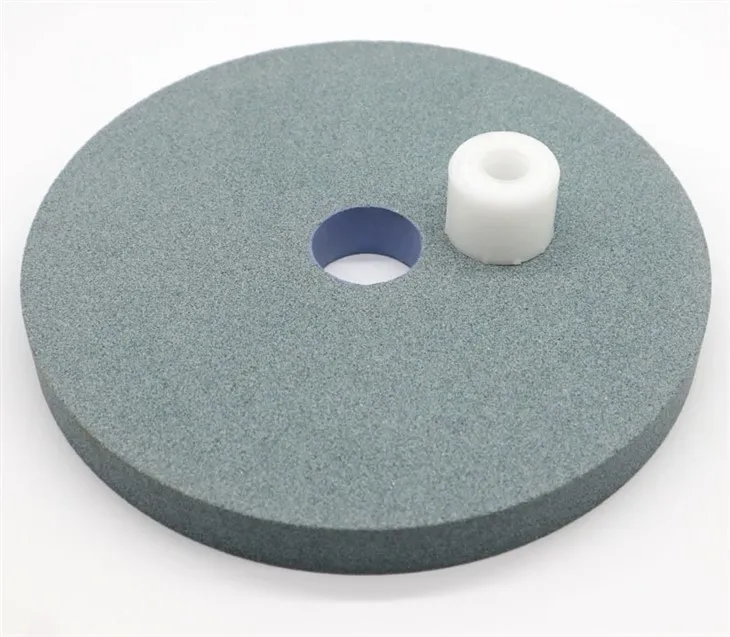
As a cup grinding wheel supplier, we also offer a range of other grinding wheels that may be suitable for your specific applications. For example, our Rubber Grinding Wheel is ideal for applications where a flexible and conformable grinding surface is required. Our White Fused Alumina Grinding Wheels are known for their high hardness and sharp cutting edges, making them suitable for grinding hard materials. And our Green Silicon Carbide Grinding Wheel is excellent for grinding non-ferrous metals and hard, brittle materials.
Conclusion
The material removal rate is a critical factor in rough grinding with cup grinding wheels. By understanding the concept of MRR, its significance, and the factors that influence it, manufacturers can optimize their grinding processes and achieve higher productivity and cost savings. As a cup grinding wheel supplier, we are committed to providing our customers with high-quality products and expert advice to help them achieve the best results in their grinding operations.
If you are interested in learning more about our cup grinding wheels or other grinding products, or if you have any questions about the material removal rate in rough grinding, please feel free to contact us for a consultation. We look forward to working with you to meet your grinding needs.
References
- Trent, E. M., & Wright, P. K. (2000). Metal Cutting. Butterworth-Heinemann.
- Rowe, W. B. (2009). Principles of Modern Grinding Technology. Springer.
- Kalpakjian, S., & Schmid, S. R. (2010). Manufacturing Engineering and Technology. Pearson.