

What is the standard thickness of an abrasive belt? This is a question that often comes up among professionals in various industries that rely on these essential tools. As an abrasive belt supplier, I've had the privilege of diving deep into the world of abrasive products, and I'm excited to share my insights with you.
Understanding Abrasive Belts
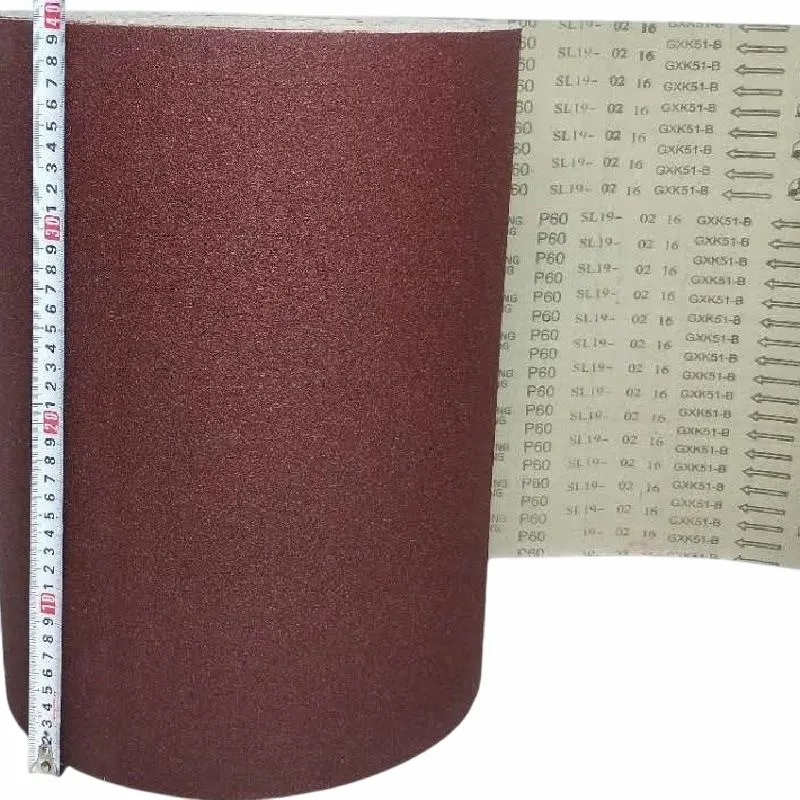
Before we delve into the standard thickness, let's briefly understand what abrasive belts are. Abrasive belts are coated with abrasive grains on a flexible backing material, such as cloth, paper, or film. They are used in a wide range of applications, from woodworking and metalworking to automotive and aerospace industries. The abrasive grains on the belt remove material from the workpiece through friction, resulting in a smooth or finished surface.
Factors Affecting Abrasive Belt Thickness
The thickness of an abrasive belt is not a one - size - fits - all specification. Several factors influence the appropriate thickness for a given application:
1. Application Type
- Light - duty Applications: In applications where precision and a fine finish are required, such as sanding delicate wood surfaces or polishing small metal parts, thinner abrasive belts are often preferred. Thinner belts offer better flexibility, allowing them to conform to curved or irregular surfaces more easily. For example, in the production of high - end furniture, a thin abrasive belt can be used to achieve a smooth and flawless finish on intricate carvings.
- Heavy - duty Applications: When dealing with tough materials like thick steel plates or rough - sawn lumber, thicker abrasive belts are more suitable. These belts can withstand higher pressures and aggressive grinding, removing large amounts of material quickly. In the shipbuilding industry, thick abrasive belts are used to remove rust and scale from large metal structures.
2. Backing Material
- Paper Backing: Abrasive belts with paper backing are generally thinner compared to those with cloth or film backing. Paper - backed belts are commonly used for light - to medium - duty applications, such as sanding wood, plastic, or painted surfaces. They are relatively inexpensive and offer good flexibility. Black SiC Waterproof Abrasive Paper is an example of a paper - backed abrasive product that is popular for its water - resistant properties and fine finishing capabilities.
- Cloth Backing: Cloth - backed abrasive belts are thicker and more durable. They can handle higher pressures and are suitable for heavy - duty applications. Cloth backing provides better tear resistance and can be used for both dry and wet sanding. Abrasive Cloth Backed Rolls are widely used in metalworking and woodworking industries for their long - lasting performance.
- Film Backing: Film - backed abrasive belts are relatively thin but offer high precision and a consistent finish. They are often used in applications where a smooth surface is critical, such as automotive painting preparation or optical lens manufacturing.
3. Belt Width and Length
The width and length of the abrasive belt also play a role in determining the appropriate thickness. Wider belts may require a thicker construction to maintain stability during operation. Similarly, longer belts may need to be thicker to prevent stretching and ensure consistent performance over their entire length.
Standard Thickness Ranges
While there is no single standard thickness for all abrasive belts, the following are general thickness ranges based on common applications:
1. Light - Duty Abrasive Belts
- Paper - backed light - duty abrasive belts typically range from 0.08 mm to 0.2 mm in thickness. These belts are commonly used for fine sanding and finishing tasks, such as sanding between coats of paint or preparing a surface for staining.
- Film - backed light - duty belts may have a thickness of around 0.05 mm to 0.15 mm. They are ideal for applications where a smooth and uniform finish is required, such as in the electronics industry for polishing small components.
2. Medium - Duty Abrasive Belts
- Paper - backed medium - duty belts usually have a thickness of 0.2 mm to 0.35 mm. They can handle more aggressive sanding tasks, such as removing old paint or smoothing rough wood surfaces.
- Cloth - backed medium - duty belts range from 0.3 mm to 0.6 mm in thickness. These belts are suitable for a variety of applications, including metal deburring and medium - grade wood sanding.
3. Heavy - Duty Abrasive Belts
- Cloth - backed heavy - duty abrasive belts can be as thick as 0.6 mm to 1.5 mm. They are designed to withstand high pressures and heavy material removal, such as grinding thick metal sections or shaping large wooden beams.
Customization of Abrasive Belt Thickness
In addition to the standard thickness ranges, many industries require custom - made abrasive belts to meet their specific needs. Custom Abrasive Sanding Belts can be tailored in terms of thickness, abrasive grain type, backing material, and other parameters. This allows manufacturers to optimize the performance of their sanding and grinding processes.
For example, a manufacturer of aerospace components may require an abrasive belt with a specific thickness and abrasive grain size to achieve the high - precision finishes required for their products. By working with an experienced abrasive belt supplier, they can have belts custom - made to meet their exact specifications.
Importance of Choosing the Right Thickness
Choosing the right thickness of an abrasive belt is crucial for achieving optimal performance and efficiency in your applications. Using a belt that is too thin for a heavy - duty application can result in premature wear and tear, leading to frequent belt changes and increased costs. On the other hand, using a belt that is too thick for a light - duty application may cause excessive material removal and damage to the workpiece.
In addition, the right thickness can also improve the quality of the finished product. A properly selected abrasive belt can ensure a smooth and consistent surface finish, reducing the need for additional finishing steps.
Conclusion
In conclusion, the standard thickness of an abrasive belt varies depending on the application, backing material, belt width, and length. As an abrasive belt supplier, I understand the importance of providing our customers with the right products for their specific needs. Whether you are looking for a light - duty belt for fine finishing or a heavy - duty belt for aggressive material removal, we have a wide range of options to choose from.

If you are interested in learning more about our abrasive belts or need help selecting the right thickness for your application, please feel free to contact us. Our team of experts is ready to assist you in finding the perfect abrasive solution for your business.
References
- American National Standards Institute (ANSI). Coated Abrasives Standards.
- European Committee for Standardization (CEN). Abrasive Products Standards.
- Various industry publications on abrasive technology and applications.