

What is the surface finish quality achievable with a cup grinding wheel?
Hey there! I'm a supplier of cup grinding wheels, and I'm super stoked to chat with you about the surface finish quality we can achieve with these bad - boys. Cup grinding wheels are pretty versatile tools, and they're used in a whole bunch of industries, from metalworking to woodworking, and even in some cases for grinding stone.
First off, let's talk about what surface finish quality actually means. In simple terms, it's how smooth, even, and free of defects the surface of a workpiece is after it's been ground. A high - quality surface finish can be crucial for a lot of reasons. For example, in the automotive industry, a smooth surface finish on engine parts can reduce friction, improve performance, and increase the lifespan of the components. In the aerospace sector, it can be a matter of safety, as a well - finished surface can prevent stress concentrations that could lead to component failure.
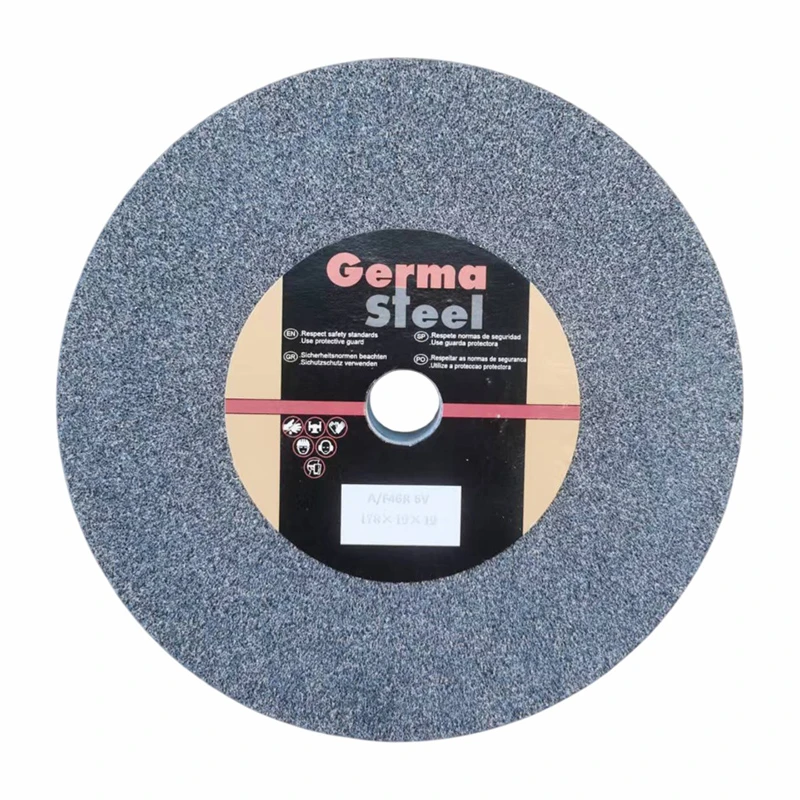
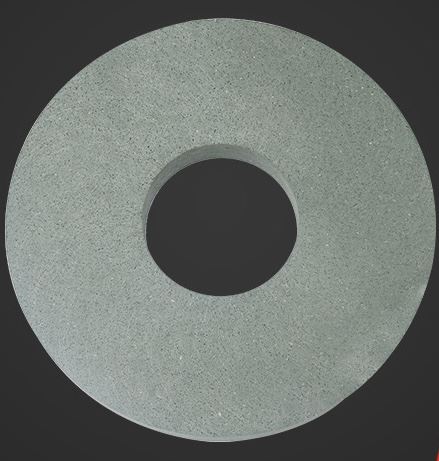
Now, the surface finish quality you can get with a cup grinding wheel depends on several factors. One of the most important ones is the abrasive material used in the wheel. We've got a few different options in our range, and each one has its own characteristics that affect the finish.
Let's start with brown fused alumina. This is a really popular abrasive material, and it's used in our Brown Fused Alumina Grinding Wheel. Brown fused alumina is tough and durable, and it's great for grinding ferrous metals like steel. When you use a brown fused alumina cup grinding wheel, you can typically achieve a relatively smooth surface finish. The abrasive grains break down in a controlled way during grinding, which helps to keep the cutting edges sharp and produce a consistent finish. However, the exact quality of the finish will also depend on the grit size of the wheel. Finer grit sizes will generally give you a smoother finish, but they may also take longer to remove material.
Another option is green silicon carbide. This abrasive is harder and more brittle than brown fused alumina, and it's particularly good for grinding non - ferrous metals, ceramics, and glass. Our Green Silicon Carbide Grinding Wheel can produce a very fine surface finish, especially when used on materials that are prone to chipping or cracking. The sharp cutting edges of the green silicon carbide grains can remove material quickly and cleanly, leaving a smooth surface behind. But again, the grit size matters. If you're looking for a mirror - like finish, you'll want to go for a very fine grit wheel.
Then there's the rubber grinding wheel. Our Rubber Grinding Wheel is a bit different from the others. Rubber - bonded wheels are known for their flexibility and the ability to conform to the shape of the workpiece. They're often used for finishing operations where you need to get into tight spaces or around curves. The surface finish you can achieve with a rubber grinding wheel is usually quite smooth, and it's great for polishing and buffing applications. The rubber bond helps to absorb some of the vibrations during grinding, which can result in a more even finish.
The hardness of the cup grinding wheel also plays a role in the surface finish. A harder wheel will hold its shape better during grinding, which can lead to a more consistent finish. However, if the wheel is too hard, it may not break down the abrasive grains fast enough, and this can cause the wheel to glaze over. Glazing means that the cutting edges of the abrasive grains become dull, and the wheel stops cutting effectively. This can result in a poor surface finish, with scratches and unevenness. On the other hand, a softer wheel will break down more easily, exposing fresh cutting edges. But if it's too soft, it may wear out too quickly, and you won't get a very precise finish.
The speed at which you operate the cup grinding wheel is another factor. If you run the wheel too fast, it can generate a lot of heat, which can damage the workpiece and affect the surface finish. High - speed grinding can also cause the abrasive grains to break off too quickly, leading to an inconsistent finish. On the flip side, if the speed is too slow, the wheel may not cut effectively, and you'll end up spending more time trying to achieve the desired finish.
The feed rate, or how fast you move the workpiece across the grinding wheel, is also important. A slow feed rate will generally give you a better surface finish because it allows the abrasive grains more time to remove material evenly. But if the feed rate is too slow, it can be time - consuming. A fast feed rate can remove material quickly, but it may also result in a rougher finish.
So, as you can see, achieving the best surface finish quality with a cup grinding wheel is a bit of a balancing act. You need to choose the right abrasive material, grit size, wheel hardness, operating speed, and feed rate for the specific workpiece and application.
If you're in the market for a cup grinding wheel and want to achieve a top - notch surface finish, don't hesitate to get in touch. We've got a team of experts who can help you select the right wheel for your needs. Whether you're working on a small - scale project or a large - scale industrial operation, we've got the products and the knowledge to support you.
Contact us to start a discussion about your grinding requirements and let's work together to get the best surface finish possible for your workpieces.
References
- "Grinding Technology: Theory and Applications of Machining with Abrasives" by S. Kalpakjian and S. R. Schmid
- "Manufacturing Engineering and Technology" by M. P. Groover