

Can a cutting wheel for other metals be used on aluminum?
As a cutting wheel supplier, I often encounter customers with questions about the compatibility of cutting wheels with different metals. One common query is whether a cutting wheel designed for other metals can be used on aluminum. In this blog post, I'll delve into this topic, exploring the technical aspects, potential risks, and best practices to help you make an informed decision.
Understanding the Characteristics of Aluminum
Aluminum is a lightweight, ductile, and highly conductive metal. It has a relatively low melting point compared to many other metals, such as steel. These properties make aluminum unique and require special considerations when it comes to cutting.
When cutting aluminum, the low melting point can cause the metal to melt and clog the cutting wheel. Aluminum also has a tendency to stick to the abrasive grains of the wheel, reducing its cutting efficiency and potentially leading to overheating. Additionally, aluminum chips are often long and stringy, which can further contribute to clogging and affect the cutting performance.
Cutting Wheels for Different Metals
Cutting wheels are designed to work effectively with specific types of metals. Different metals have different hardness, toughness, and melting points, which require different abrasive materials and bonding agents in the cutting wheel.
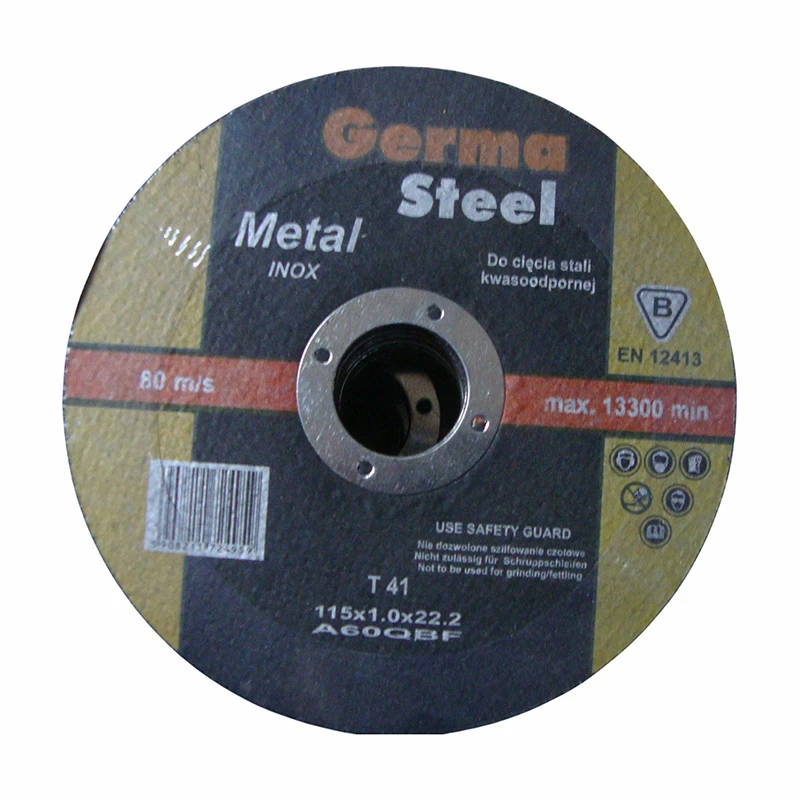
For example, Cutting Wheels for Stainless Steel are typically made with abrasive materials that can withstand the high hardness and toughness of stainless steel. These wheels are designed to cut through the metal without excessive wear or clogging. On the other hand, Industrial Cutting Wheels for Metal are more general-purpose and can be used for a variety of metals, but they may not be optimized for aluminum.
Risks of Using a Non - Aluminum - Specific Cutting Wheel on Aluminum
Using a cutting wheel designed for other metals on aluminum can pose several risks:
Clogging
As mentioned earlier, aluminum has a tendency to melt and stick to the cutting wheel. A non - aluminum - specific wheel may not have the proper design or abrasive properties to prevent clogging. When the wheel becomes clogged, it loses its cutting ability, and the operator may need to apply more pressure to continue cutting. This can lead to overheating, increased wear on the wheel, and a poor quality cut.
Overheating
Clogging can cause the cutting wheel to overheat. Aluminum's low melting point means that excessive heat can cause the metal to melt and form a hard layer on the wheel. Overheating can also damage the bonding agent in the wheel, reducing its structural integrity and increasing the risk of wheel breakage.
Poor Cut Quality
A clogged and overheated wheel will not be able to make a clean, precise cut on aluminum. The cut may be rough, uneven, and may have burrs or other defects. This can affect the final product's quality and may require additional finishing work.
Benefits of Using an Aluminum - Specific Cutting Wheel
Using a cutting wheel specifically designed for aluminum offers several advantages:
Anti - Clogging Design
Aluminum - specific cutting wheels are engineered with features that prevent aluminum from sticking to the wheel. They may have special abrasive grains or a porous structure that allows the chips to escape easily, keeping the wheel clean and cutting efficiently.
Cool Cutting
These wheels are designed to dissipate heat effectively, reducing the risk of overheating. This helps to maintain the integrity of the wheel and the quality of the cut.
Clean and Precise Cuts
With the right abrasive and design, an aluminum - specific cutting wheel can make clean, smooth, and precise cuts on aluminum. This reduces the need for additional finishing work and improves the overall quality of the product.
Best Practices for Cutting Aluminum
If you decide to use a cutting wheel on aluminum, here are some best practices to follow:
Choose the Right Wheel
Select a cutting wheel that is specifically designed for aluminum. Look for wheels with anti - clogging features and a high - quality abrasive.
Use the Correct Speed
Follow the manufacturer's recommendations for the cutting speed. Using the wrong speed can increase the risk of clogging and overheating.
Keep the Wheel Clean
Regularly clean the wheel during the cutting process to remove any accumulated aluminum chips. This can help to maintain the wheel's cutting performance.

Apply the Right Pressure
Apply a consistent and moderate pressure when cutting. Too much pressure can cause the wheel to overheat and wear out quickly, while too little pressure may result in a slow and inefficient cut.
Conclusion
In conclusion, while it may be tempting to use a cutting wheel designed for other metals on aluminum, it is not recommended. The unique properties of aluminum require a cutting wheel specifically designed to handle its challenges. Using a non - aluminum - specific wheel can lead to clogging, overheating, and poor cut quality.
As a cutting wheel supplier, I highly recommend using aluminum - specific cutting wheels for the best results. If you have any questions about choosing the right cutting wheel for your application, or if you're interested in purchasing cutting wheels, I encourage you to reach out to me. I'm here to help you find the perfect solution for your cutting needs.
References
- "Cutting Tools Handbook", Industrial Press Inc.
- Manufacturer's specifications for cutting wheels.