

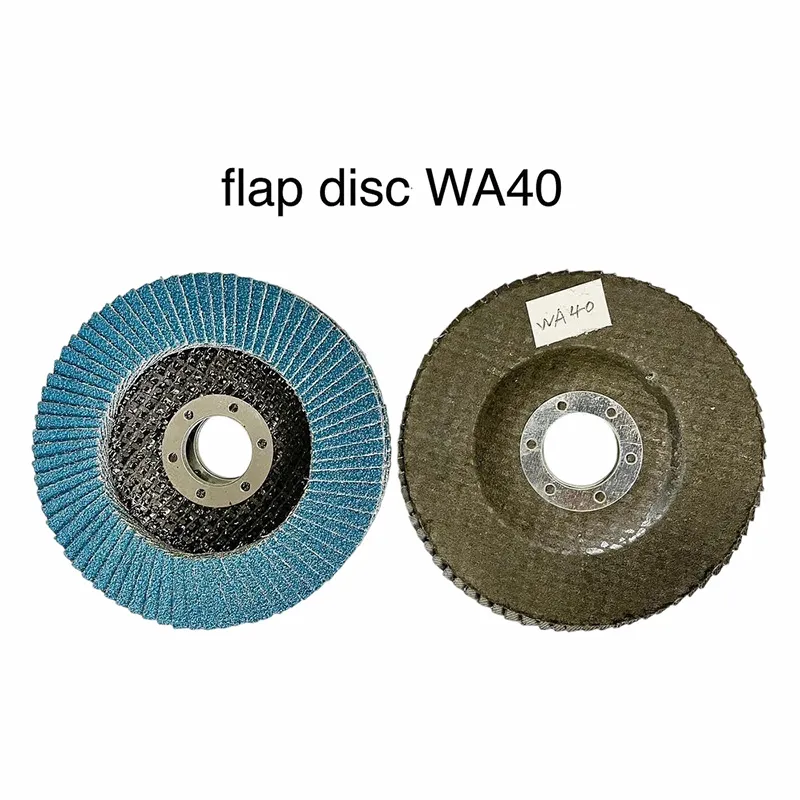
Choosing the right grit for a WA Flap Disc is crucial for achieving optimal results in various grinding and finishing applications. As a WA Flap Disc supplier, I understand the importance of this decision and am here to guide you through the process. In this blog post, I will explain how to select the appropriate grit based on the material you are working with, ensuring that you get the most out of your flap disc.
Understanding Grit Sizes
Before delving into the selection process, it's essential to understand what grit size means. Grit size refers to the number of abrasive particles per square inch on the surface of the flap disc. A lower grit number indicates larger abrasive particles, which are more aggressive and suitable for heavy material removal. Conversely, a higher grit number means smaller particles, providing a finer finish.
Factors to Consider When Choosing Grit
When selecting the right grit for a WA Flap Disc, several factors come into play. The primary factor is the material you are working with. Different materials have varying hardness, density, and surface characteristics, which require specific grit sizes for effective grinding and finishing.
Grit Selection Based on Material
1. Mild Steel and Carbon Steel
Mild steel and carbon steel are commonly used in various industries, including construction, automotive, and manufacturing. These materials are relatively soft and can be easily ground. For initial rough grinding and material removal on mild and carbon steel, a lower grit size, such as 36 or 40, is recommended. These grits can quickly remove large amounts of material, such as weld beads or rust.
Once the majority of the material has been removed, you can switch to a medium grit, like 60 or 80, for a smoother finish. This helps to prepare the surface for painting, coating, or further processing. For a final polish, a high grit, such as 120 or 180, can be used to achieve a mirror-like finish. You can find high - quality WA Flap Disc suitable for these applications in our product range.
2. Stainless Steel
Stainless steel is harder and more corrosion - resistant than mild steel. When working with stainless steel, it's important to avoid overheating the material, as this can cause discoloration and damage to the surface. For rough grinding on stainless steel, a 40 or 50 grit WA Flap Disc is a good choice. These grits can efficiently remove welds and burrs without generating excessive heat.
For intermediate grinding and finishing, a 60 or 80 grit will provide a smoother surface. To achieve a fine finish on stainless steel, a 120 or 180 grit flap disc can be used. Our Durable Flap Disc is designed to withstand the rigors of stainless - steel grinding and provide long - lasting performance.
3. Aluminum
Aluminum is a soft and lightweight metal that is widely used in the aerospace, automotive, and electronics industries. When grinding aluminum, it's crucial to use a grit size that won't clog the abrasive particles. A 60 or 80 grit WA Flap Disc is typically recommended for initial grinding on aluminum. These grits can effectively remove surface imperfections and prepare the material for further processing.
For a finer finish on aluminum, a 120 or 180 grit can be used. It's important to note that aluminum tends to generate a lot of heat during grinding, so it's advisable to use a coolant or lubricant to prevent overheating and ensure a better finish.
4. Wood
Wood is a natural material with different densities and grain structures. For rough sanding and shaping of wood, a 40 or 60 grit WA Flap Disc can be used. These grits can quickly remove excess wood and smooth out rough edges. For a more refined finish, a 80 or 120 grit is suitable for sanding between coats of paint or stain.
5. Non - Ferrous Metals (Copper, Brass, etc.)
Non - ferrous metals like copper and brass are softer than steel but harder than aluminum. For initial grinding on non - ferrous metals, a 60 or 80 grit WA Flap Disc is a good option. These grits can remove surface marks and prepare the material for finishing. A 120 or 180 grit can be used for a final polish to enhance the appearance of the metal.
Other Considerations
In addition to the material, other factors can also influence your grit selection. The type of application, such as grinding, blending, or finishing, plays a role. If you are doing heavy - duty grinding, a lower grit will be more appropriate, while finishing applications require a higher grit.
The condition of the surface also matters. If the surface has deep scratches or heavy rust, a lower grit will be needed to remove these imperfections. On the other hand, if the surface is relatively smooth, a higher grit can be used for a quick touch - up.
Conclusion
Choosing the right grit for a WA Flap Disc based on the material is essential for achieving the best results in grinding and finishing operations. By considering the hardness, density, and surface characteristics of the material, as well as the type of application, you can select the most suitable grit size.
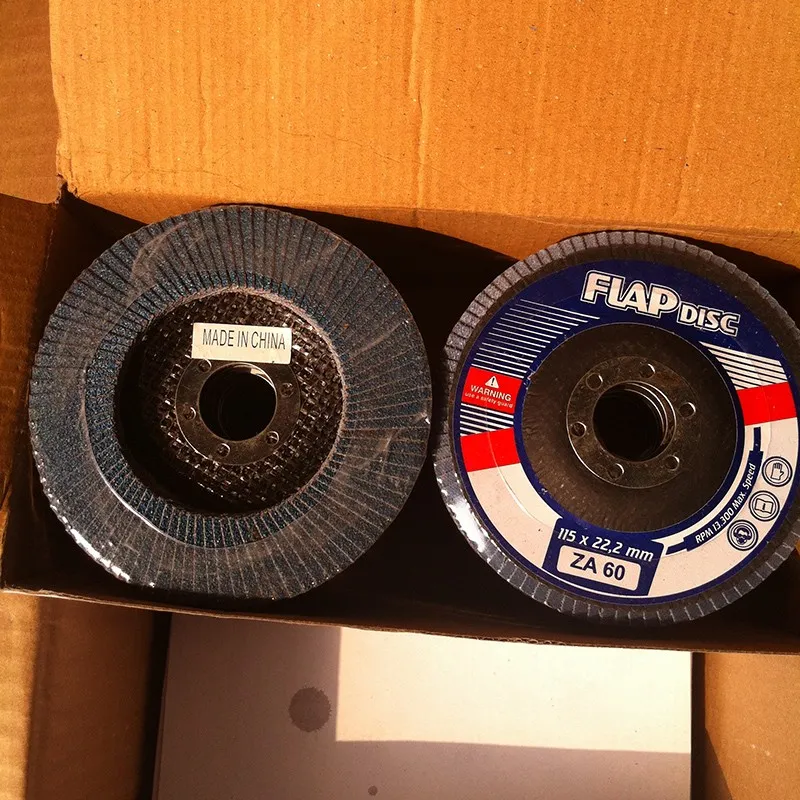
As a WA Flap Disc supplier, we offer a wide range of flap discs with different grit sizes to meet your specific needs. Whether you are working with steel, aluminum, wood, or non - ferrous metals, we have the right product for you. Our Zirconia Fused Alumina Flap Disc is known for its high performance and durability, making it a popular choice among professionals.
If you are unsure about which grit size is best for your application, feel free to contact us. Our team of experts is always ready to assist you in making the right decision. We look forward to helping you with your grinding and finishing needs and welcome you to contact us for procurement discussions.
References
- "Abrasive Technology Handbook" by the Abrasive Engineering Society
- "Materials Science and Engineering: An Introduction" by William D. Callister Jr. and David G. Rethwisch