

Hey there! As a supplier of cup grinding wheels, I've been getting a lot of questions lately about how cutting speed affects the grinding efficiency of these tools. So, I thought I'd put together this blog post to share my insights on the topic.
First off, let's talk about what cutting speed is. In simple terms, cutting speed refers to how fast the grinding wheel is rotating while it's in contact with the workpiece. It's typically measured in surface feet per minute (SFM) or meters per second (m/s). The cutting speed can have a significant impact on the grinding efficiency of a cup grinding wheel, and understanding this relationship is crucial for getting the most out of your tool.
The Basics of Grinding Efficiency
Before we dive into how cutting speed affects grinding efficiency, let's quickly go over what grinding efficiency means. Grinding efficiency is all about how effectively the grinding wheel removes material from the workpiece while maintaining the desired surface finish and dimensional accuracy. A more efficient grinding process means you can get the job done faster, with less wear and tear on the wheel, and with better overall results.
There are several factors that can affect grinding efficiency, including the type of grinding wheel, the material being ground, the feed rate, and of course, the cutting speed. In this blog post, we'll be focusing on the role of cutting speed in optimizing grinding efficiency.
How Cutting Speed Affects Grinding Efficiency
So, how exactly does cutting speed impact the grinding efficiency of a cup grinding wheel? Well, it turns out that the relationship between these two variables is not always straightforward. In general, increasing the cutting speed can lead to higher material removal rates and potentially improved grinding efficiency. However, there's a sweet spot, and going too fast can actually have the opposite effect.
1. Material Removal Rate
One of the primary ways that cutting speed affects grinding efficiency is through its impact on the material removal rate (MRR). The MRR refers to the amount of material that is removed from the workpiece per unit of time. As you increase the cutting speed, the grinding wheel is able to remove material more quickly, which can lead to a higher MRR. This means you can complete your grinding operations faster, which is great for productivity.
However, it's important to note that there's a limit to how much you can increase the cutting speed before it starts to cause problems. If the cutting speed is too high, the grinding wheel may start to overheat, which can lead to a number of issues. For example, the overheating can cause the grinding wheel to wear out more quickly, reduce the surface finish quality of the workpiece, and even cause the workpiece to deform.
2. Wheel Wear
Another important factor to consider is wheel wear. The cutting speed can have a significant impact on how quickly the grinding wheel wears out. When the cutting speed is too low, the grinding wheel may not be able to cut through the material efficiently, which can cause the abrasive grains on the wheel to become dull more quickly. On the other hand, if the cutting speed is too high, the excessive heat generated can cause the binder in the grinding wheel to break down, leading to premature wheel wear.
To optimize grinding efficiency and minimize wheel wear, it's important to find the right cutting speed for your specific application. This will depend on several factors, including the type of grinding wheel, the material being ground, and the desired surface finish.
3. Surface Finish
The cutting speed also plays a crucial role in determining the surface finish of the workpiece. In general, higher cutting speeds can result in a smoother surface finish. This is because the faster the grinding wheel rotates, the more evenly it can remove material from the workpiece, reducing the likelihood of surface imperfections.
However, as with material removal rate and wheel wear, there's a limit to how much you can increase the cutting speed without sacrificing surface finish quality. If the cutting speed is too high, the overheating can cause the workpiece to develop micro-cracks or other surface defects, which can actually degrade the surface finish.
Finding the Optimal Cutting Speed
So, how do you find the optimal cutting speed for your cup grinding wheel? Well, there's no one-size-fits-all answer, as the optimal cutting speed will depend on a variety of factors. Here are some tips to help you get started:
1. Consider the Type of Grinding Wheel
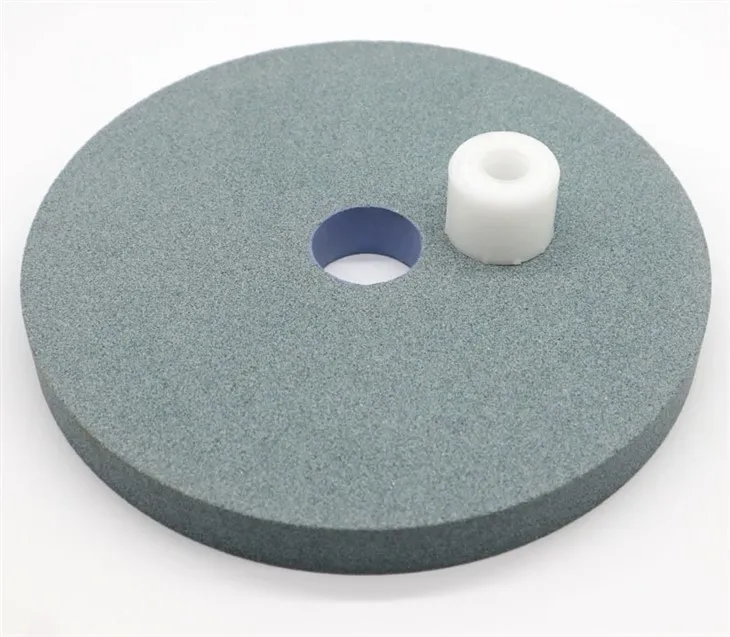
Different types of grinding wheels are designed to operate at different cutting speeds. For example, Pink Fused Alumina Grinding Wheel is known for its high hardness and abrasion resistance, and it typically performs well at higher cutting speeds. On the other hand, Green Silicon Carbide Grinding Wheel is better suited for grinding non-ferrous materials and may require a lower cutting speed.
2. Take the Material into Account
The material being ground also plays a significant role in determining the optimal cutting speed. Harder materials, such as steel or titanium, generally require a lower cutting speed to prevent overheating and excessive wheel wear. Softer materials, such as aluminum or brass, can typically tolerate higher cutting speeds.
3. Refer to the Manufacturer's Recommendations
The manufacturer of your cup grinding wheel should provide recommendations for the optimal cutting speed based on the specific product and the intended application. Make sure to follow these recommendations closely to ensure the best results.
4. Conduct Testing
In some cases, you may need to conduct some testing to find the optimal cutting speed for your particular setup. Start by testing at a relatively low cutting speed and gradually increase it while monitoring the material removal rate, wheel wear, and surface finish. Take note of the cutting speed that provides the best balance between these factors.

Conclusion
In conclusion, the cutting speed has a significant impact on the grinding efficiency of a cup grinding wheel. By understanding how cutting speed affects material removal rate, wheel wear, and surface finish, you can optimize your grinding process and get the most out of your tool. Remember to consider the type of grinding wheel, the material being ground, refer to the manufacturer's recommendations, and conduct testing to find the optimal cutting speed for your specific application.
If you're in the market for high-quality Cylindrical Cup Grinding Wheels or have any questions about grinding efficiency, don't hesitate to reach out. We'd be happy to help you find the right solution for your needs. Let's start a conversation about how we can improve your grinding operations together!
References
- "Grinding Handbook" by Neil R. Bate
- "Machining Principles: A Practical Guide" by Peter Stay
- Various technical resources from grinding wheel manufacturers