

Hey there, fellow industry enthusiasts! I'm a supplier of Ceramic Flap Discs, and today I'm super stoked to chat about something that's super crucial in our line of work – how the size of the ceramic grains in a Ceramic Flap Disc affects its performance.
Let's start with the basics. Ceramic Flap Discs are a game - changer in the metalworking and polishing world. They're made up of multiple overlapping flaps coated with abrasive grains. And in our case, these grains are ceramic, which are known for their high hardness and self - sharpening properties.
The size of these ceramic grains is like the secret sauce that can make or break the performance of a flap disc. When we talk about grain size, we're usually referring to the grit number. A lower grit number means larger grains, while a higher grit number indicates smaller grains.
Coarse Grains (Low Grit Numbers)
When it comes to coarse grains, say around 16 - 36 grit, these discs are all about heavy - duty work. The large ceramic grains in these discs are like little hammers smashing into the workpiece. They can remove a large amount of material really quickly.

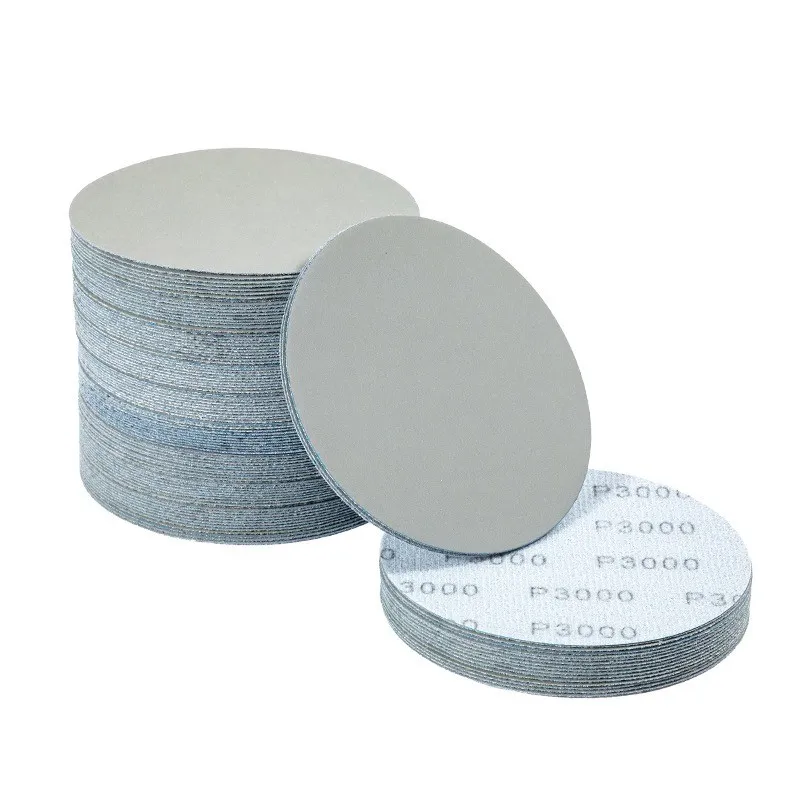
For instance, if you're working on a thick steel beam that has a lot of scale or rust on it, a 24 - grit Ceramic Flap Disc is your best friend. It can rough down the surface, getting rid of imperfections and preparing it for further processing in no time. The large grains can dig deep into the material, shaving off layers without much effort.
However, the trade - off for this high material removal rate is the surface finish. The surface left behind by a coarse - grained flap disc is going to be rough. It's not suitable if you're aiming for a smooth, polished look. But for tasks like cutting off excess metal, removing large weld beads, or quickly shaping a rough piece of metal, these coarse - grained discs are unbeatable.
We often recommend our customers who are in the construction or heavy manufacturing industry to keep a stock of these low - grit Ceramic Flap Discs. They're perfect for jobs where speed and brute force are needed. And if you're interested in other types of abrasive discs that might also be useful in these heavy - duty scenarios, you can check out our Velcro Disc.
Medium Grains (Around 40 - 80 Grit)
Medium - grit Ceramic Flap Discs strike a nice balance between material removal and surface finish. The grains here are smaller compared to the coarse ones, but they're still big enough to remove a decent amount of material.
These discs are great for intermediate sanding and finishing work. Let's say you've used a coarse - grained disc to get rid of the major imperfections on a metal surface. Now, you can switch to a 60 - grit Ceramic Flap Disc to smooth out the rough spots left behind. It will further refine the surface, making it more suitable for painting or additional processing.
In the automotive industry, medium - grit flap discs are used extensively. Mechanics use them to prepare car body panels for painting. They can remove old paint, smooth out minor dents, and create a uniform surface that will take the new paint job beautifully.
If you're looking for another option in the medium - duty range, our WA Flap Disc is also a great choice. It has its own unique properties and can sometimes be used alongside or in place of the Ceramic Flap Disc depending on the specific requirements of the job.
Fine Grains (High Grit Numbers, 100+)
When you get to the fine - grained Ceramic Flap Discs with grits of 100 or higher, the focus shifts entirely to surface finish. These tiny ceramic grains are like tiny polishers, gently smoothing the surface of the workpiece.
They're perfect for the final stages of a project, where you want to achieve a mirror - like finish. For example, in the jewelry - making industry, fine - grit Ceramic Flap Discs are used to polish metal pieces to a high shine. In the aerospace industry, they're used on precision parts where a smooth surface is critical for performance.
The material removal rate of fine - grained discs is much lower compared to the coarse and medium ones. But that's not a problem because at this stage, you're not looking to take off large amounts of material. You're just perfecting what's already there.
If you need a flap disc for a really delicate and high - finish job, you might also want to consider our Zirconia Fused Alumina Flap Disc. It has some unique qualities that can sometimes offer an even better finish in certain applications.
Other Performance Factors Affected by Grain Size
Apart from material removal and surface finish, the grain size also affects other aspects of the flap disc's performance. For example, heat generation. Coarse - grained discs generate more heat during operation because they're removing more material at once. This can sometimes be a problem, especially if you're working on heat - sensitive materials. On the other hand, fine - grained discs generate less heat because they're doing a more delicate job.
The lifespan of the flap disc is also influenced by the grain size. Coarse - grained discs tend to wear out faster because they're subjected to more stress as they remove large amounts of material. Fine - grained discs, however, can last longer as they're not under as much pressure during operation.
Choosing the Right Grain Size
So, how do you choose the right grain size for your job? Well, it all boils down to your specific requirements. If you're in a hurry to get rid of a large amount of material, go for a low - grit disc. If you're looking to strike a balance between material removal and surface finish, medium - grit is the way to go. And if it's all about that perfect, smooth finish, reach for a high - grit disc.
As a supplier, I'm always here to help you make the right choice. Whether you're a small - scale workshop or a large - scale manufacturing plant, we have the right Ceramic Flap Disc for you. Contact us to start a discussion about your procurement needs, and let's find the best solution together to make your projects a success.
References
- "Abrasive Technology Handbook"
- "Metal Finishing and Machining Guide"