

Achieving a superior surface finish is a critical aspect of many industrial grinding operations. As a trusted cup grinding wheel supplier, I understand the challenges and requirements that come with enhancing surface quality. In this blog post, I will share valuable insights and practical tips on how to improve the surface finish when using a cup grinding wheel.
Understanding the Basics of Cup Grinding Wheels
Before delving into the strategies for improving surface finish, it's essential to have a basic understanding of cup grinding wheels. These wheels are commonly used in applications such as surface grinding, tool sharpening, and precision machining. They are available in various materials, including Pink Fused Alumina Grinding Wheel, Green Silicon Carbide Grinding Wheel, and Rubber Grinding Wheel, each offering unique properties and advantages.

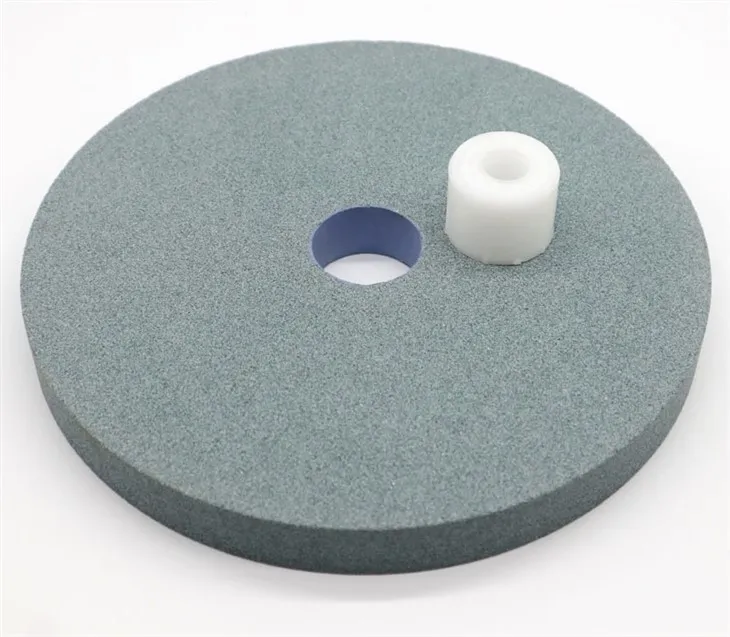
Pink fused alumina grinding wheels are known for their high hardness and excellent cutting ability, making them suitable for grinding hard materials such as steel and stainless steel. Green silicon carbide grinding wheels, on the other hand, are ideal for grinding non-ferrous metals, ceramics, and glass due to their high thermal conductivity and self-sharpening properties. Rubber grinding wheels are often used for finishing operations, providing a smooth and consistent surface finish.
Selecting the Right Cup Grinding Wheel
One of the most crucial factors in achieving a good surface finish is selecting the right cup grinding wheel for the job. Consider the following factors when making your selection:
- Material Compatibility: Choose a grinding wheel that is compatible with the material you are grinding. Different materials require different abrasive materials and bond types to achieve optimal results.
- Grain Size: The grain size of the grinding wheel affects the surface finish. Finer grain sizes generally produce a smoother surface finish, while coarser grain sizes are better for removing material quickly.
- Bond Type: The bond type of the grinding wheel determines its strength and durability. Vitrified bonds are commonly used for precision grinding applications, while resin bonds are more flexible and suitable for grinding soft materials.
- Wheel Hardness: The hardness of the grinding wheel affects its cutting ability and wear resistance. A harder wheel is more suitable for grinding hard materials, while a softer wheel is better for grinding soft materials.
Preparing the Workpiece
Proper workpiece preparation is essential for achieving a good surface finish. Here are some tips to help you prepare the workpiece:
- Clean the Workpiece: Remove any dirt, oil, or debris from the workpiece before grinding. This will prevent contaminants from affecting the surface finish and ensure a clean grinding operation.
- Secure the Workpiece: Make sure the workpiece is securely clamped or held in place during grinding. This will prevent it from moving or vibrating, which can cause uneven grinding and a poor surface finish.
- Pre-Grind the Workpiece: If necessary, pre-grind the workpiece to remove any rough or uneven surfaces. This will help to ensure a more consistent surface finish during the final grinding operation.
Optimizing Grinding Parameters
In addition to selecting the right grinding wheel and preparing the workpiece, optimizing the grinding parameters is crucial for achieving a good surface finish. Here are some key parameters to consider:
- Grinding Speed: The grinding speed refers to the rotational speed of the grinding wheel. A higher grinding speed generally produces a smoother surface finish, but it can also increase the risk of heat generation and wheel wear.
- Feed Rate: The feed rate refers to the rate at which the workpiece is fed into the grinding wheel. A slower feed rate generally produces a smoother surface finish, but it can also increase the grinding time.
- Depth of Cut: The depth of cut refers to the amount of material removed by the grinding wheel in each pass. A smaller depth of cut generally produces a smoother surface finish, but it can also increase the number of passes required to achieve the desired result.
- Coolant Usage: Using a coolant during grinding can help to reduce heat generation, prevent wheel wear, and improve the surface finish. Choose a coolant that is compatible with the grinding wheel and the workpiece material.
Maintaining the Grinding Wheel
Proper maintenance of the grinding wheel is essential for achieving a consistent and high-quality surface finish. Here are some tips to help you maintain the grinding wheel:
- Dress the Grinding Wheel: Regularly dress the grinding wheel to remove any dull or worn abrasive grains and restore its cutting ability. This will help to ensure a consistent surface finish and prevent wheel loading.
- Balance the Grinding Wheel: Make sure the grinding wheel is properly balanced to prevent vibration and uneven grinding. This will help to improve the surface finish and extend the life of the grinding wheel.
- Store the Grinding Wheel Properly: Store the grinding wheel in a dry and cool place to prevent it from becoming damaged or contaminated. This will help to ensure its performance and longevity.
Using the Right Grinding Techniques
In addition to selecting the right grinding wheel, preparing the workpiece, optimizing the grinding parameters, and maintaining the grinding wheel, using the right grinding techniques is also crucial for achieving a good surface finish. Here are some tips to help you use the right grinding techniques:
- Use a Light Touch: Apply a light and consistent pressure when grinding to avoid overheating the workpiece and causing damage to the surface.
- Grind in the Right Direction: Grind in the direction of the grain or the desired surface finish to achieve a more consistent and smooth result.
- Overlap the Grinding Passes: Overlap the grinding passes to ensure a uniform surface finish and prevent any visible lines or marks.
- Finish with a Fine Grind: Finish the grinding operation with a fine grind to achieve a smooth and polished surface finish.
Conclusion
Improving the surface finish when using a cup grinding wheel requires a combination of selecting the right grinding wheel, preparing the workpiece, optimizing the grinding parameters, maintaining the grinding wheel, and using the right grinding techniques. By following these tips and best practices, you can achieve a high-quality surface finish that meets your specific requirements.
If you have any questions or need further assistance with improving the surface finish when using a cup grinding wheel, please don't hesitate to contact us. We are a leading cup grinding wheel supplier and are committed to providing our customers with the highest quality products and services. We look forward to working with you to achieve your grinding goals.
References
- American National Standards Institute (ANSI). (2017). Safety requirements for the use, care, and protection of abrasive wheels. ANSI B7.1-2017.
- Manufacturing Engineering Society International (MES-I). (2019). Handbook of manufacturing engineering and technology. Springer.
- Trumpler, R. (2018). Grinding technology: Theory and applications of machining with abrasives. CRC Press.