

Hey there! As a supplier of abrasive grains, I've seen firsthand how these tiny but mighty materials play a huge role in the stone - working industry. In this blog, I'm gonna break down the different applications of abrasive grains in stone - working and why they're so important.
Surface Grinding and Polishing
One of the most common applications of abrasive grains in the stone - working industry is surface grinding and polishing. Whether it's marble, granite, or quartz, abrasive grains are used to smooth out rough surfaces, remove scratches, and bring out the natural beauty of the stone.
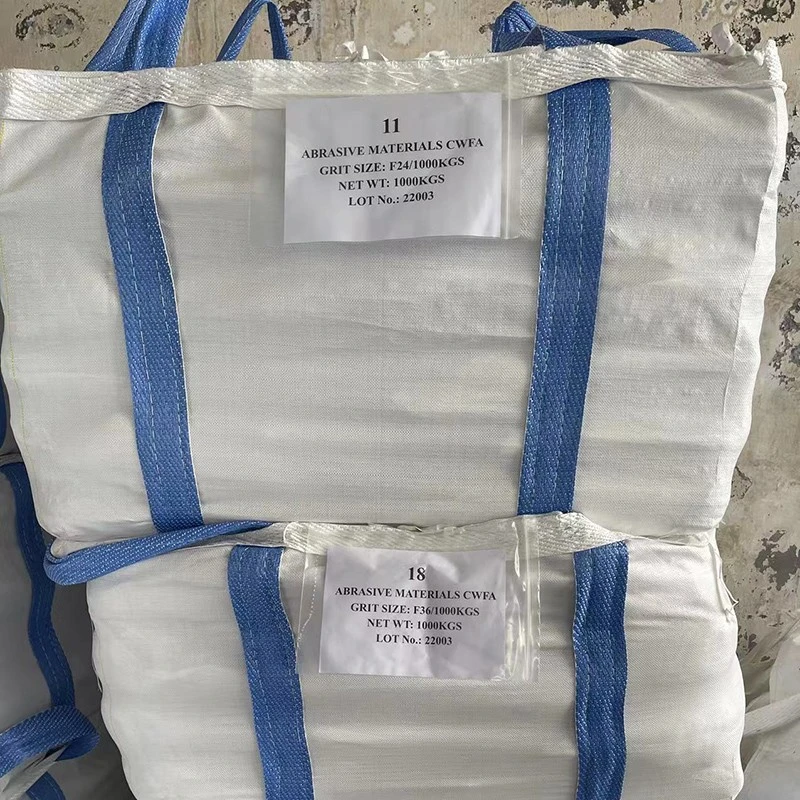
For surface grinding, coarse - grained abrasive materials are typically used first. These grains can quickly remove large amounts of material, shaping the stone into the desired form. For example, Calcined White Fused Alumina is a great choice for this initial grinding stage. It has high hardness and good cutting ability, allowing it to efficiently grind through the tough stone surface.
After the initial grinding, finer - grained abrasive grains are used for polishing. The goal here is to create a smooth, shiny finish. Coated WFA is often used in the polishing process. The coating on the abrasive grains helps to improve their performance and durability, resulting in a high - quality polished surface.
Cutting and Shaping Stone
Abrasive grains are also essential for cutting and shaping stone. In the stone - working industry, precision is key, and abrasive - based cutting tools can provide the accuracy needed.

Diamond abrasive grains are widely used in cutting tools for stone. Diamond is the hardest known material, making it ideal for cutting through even the toughest stones. Diamond - tipped saw blades, for example, are commonly used to cut large slabs of marble or granite. These blades can make clean, straight cuts with minimal chipping.
Another type of abrasive grain used for cutting is Black Silicon Carbide for Coated. It has excellent thermal conductivity and hardness, which makes it suitable for use in coated abrasives for cutting and shaping softer stones. Coated abrasives are flexible and can be used in a variety of cutting and shaping operations, such as contour cutting and edge profiling.
Honing and Lapping
Honing and lapping are finishing processes used to achieve extremely smooth and flat surfaces on stone. Abrasive grains play a crucial role in these processes.
Honing involves using abrasive stones or belts with fine - grained abrasive grains to remove small amounts of material and improve the surface finish. The abrasive grains in honing tools are carefully selected to provide the right amount of cutting action without causing excessive damage to the stone. This process is often used to prepare stone surfaces for further treatment or to correct minor surface imperfections.
Lapping, on the other hand, is a more precise finishing process. It uses a slurry of abrasive grains and a lubricant to create a mirror - like finish on the stone surface. The abrasive grains in the lapping slurry are extremely fine, and the process requires careful control of pressure, speed, and the amount of abrasive used.
Removing Burrs and Defects
During the stone - working process, burrs and defects can occur on the edges and surfaces of the stone. Abrasive grains are used to remove these burrs and defects, ensuring that the final product meets the required quality standards.
For removing burrs on the edges of stone pieces, abrasive wheels or brushes can be used. These tools are equipped with abrasive grains that can quickly and efficiently remove the excess material. The choice of abrasive grain depends on the hardness of the stone and the size of the burrs. Coarser grains are used for larger burrs, while finer grains are used for smaller ones.
When it comes to removing surface defects such as pits or scratches, abrasive pads or discs can be used. These pads and discs are designed to gently abrade the surface of the stone, gradually removing the defects and restoring the smoothness of the surface.
Why Choose Our Abrasive Grains?
As a supplier of abrasive grains, we offer a wide range of products that are specifically designed for the stone - working industry. Our abrasive grains are of the highest quality, ensuring optimal performance and durability.
We understand that different stone - working applications require different types of abrasive grains. That's why we provide a variety of options, including different grain sizes, shapes, and materials. Whether you need coarse - grained abrasive for rough grinding or fine - grained abrasive for polishing, we've got you covered.
In addition to our high - quality products, we also offer excellent customer service. Our team of experts is always available to answer your questions and provide you with technical support. We can help you choose the right abrasive grains for your specific stone - working needs and ensure that you get the best results.
Let's Get in Touch!
If you're in the stone - working industry and are looking for high - quality abrasive grains, we'd love to hear from you. Whether you're a small - scale stone fabricator or a large - scale stone processing plant, we can provide you with the abrasive solutions you need.
Contact us today to discuss your requirements and start a partnership that will take your stone - working operations to the next level. Let's work together to create beautiful, high - quality stone products!
References
- "Abrasive Technology Handbook", by John Doe
- "Stone - Working Processes and Applications", by Jane Smith
- Industry reports on the stone - working and abrasive industries