

As a seasoned supplier in the coated abrasives industry, I've witnessed firsthand the myriad challenges that our sector grapples with on a daily basis. Coated abrasives, which include products like Custom Abrasive Sanding Belts, Abrasive Cloth Backed Rolls, and Black SiC Waterproof Abrasive Paper, are essential in a wide range of industries, from woodworking to metal fabrication. However, the path to success in this industry is fraught with obstacles that require careful navigation.
Raw Material Price Volatility
One of the most significant challenges facing the coated abrasives industry is the volatility of raw material prices. The production of coated abrasives relies heavily on materials such as aluminum oxide, silicon carbide, and backing materials like cloth and paper. These raw materials are subject to fluctuations in the global market, influenced by factors such as supply and demand dynamics, geopolitical tensions, and changes in production costs.
For instance, a sudden increase in the price of aluminum oxide can significantly impact the cost of manufacturing coated abrasives. This, in turn, puts pressure on suppliers to either absorb the cost increase, which can squeeze profit margins, or pass it on to customers, potentially leading to a loss of business. To mitigate this risk, suppliers often have to engage in long - term contracts with raw material suppliers. However, these contracts can be difficult to negotiate, and they may not always provide sufficient protection against price spikes.
Environmental Regulations
In recent years, environmental regulations have become increasingly stringent, posing a major challenge to the coated abrasives industry. The manufacturing process of coated abrasives involves several steps that can have an environmental impact, such as the use of chemicals in the bonding process and the generation of waste materials.
Many countries have introduced regulations to limit the emission of pollutants, reduce waste generation, and promote the use of sustainable materials. For example, some regulations restrict the use of certain chemicals that are harmful to the environment or human health. This requires suppliers to invest in research and development to find alternative, environmentally friendly materials and processes.
Moreover, waste management has become a critical issue. Coated abrasives generate a significant amount of waste, including used abrasive products and by - products from the manufacturing process. Suppliers need to develop effective waste management strategies to ensure compliance with environmental regulations. This may involve recycling programs, proper disposal of hazardous waste, and the implementation of cleaner production technologies.
Technological Advancements and Competition
The coated abrasives industry is highly competitive, and technological advancements play a crucial role in determining a supplier's success. New technologies are constantly emerging, offering improved performance, longer lifespan, and better cost - effectiveness. For example, the development of advanced bonding technologies has led to the production of coated abrasives with stronger adhesion between the abrasive grains and the backing material, resulting in better cutting performance.
However, keeping up with these technological advancements requires significant investment in research and development. Small and medium - sized suppliers may find it difficult to allocate the necessary resources to develop new products and technologies. On the other hand, larger competitors may have an advantage in terms of economies of scale and access to research facilities.
In addition, the rise of global competition has intensified the pressure on suppliers. With the globalization of the market, coated abrasives suppliers are facing competition not only from domestic players but also from international manufacturers. These international competitors may offer lower - cost products, which can be a challenge for suppliers in high - cost regions.
Quality Control
Maintaining consistent quality is essential in the coated abrasives industry. Customers expect products that meet high - quality standards in terms of performance, durability, and safety. However, achieving and maintaining quality control can be a complex and challenging task.
The manufacturing process of coated abrasives involves multiple variables, such as the type and quality of raw materials, the coating thickness, and the curing process. Even small variations in these variables can have a significant impact on the final product quality. For example, an inconsistent coating thickness can lead to uneven cutting performance, while improper curing can result in a weaker bond between the abrasive grains and the backing material.
To ensure quality control, suppliers need to implement strict quality management systems. This includes regular testing of raw materials, in - process inspections, and final product testing. However, these quality control measures require skilled personnel, advanced testing equipment, and a well - defined quality management framework.
Changing Customer Requirements
Customer requirements in the coated abrasives industry are constantly evolving. As industries become more specialized and demanding, customers are looking for coated abrasives that can meet specific application requirements. For example, in the aerospace industry, there is a growing demand for coated abrasives that can provide high - precision finishing on complex - shaped components.
Meeting these changing customer requirements requires suppliers to have a deep understanding of their customers' needs and the ability to develop customized solutions. This may involve working closely with customers to develop new products or modify existing ones. However, developing customized products can be time - consuming and expensive, especially for small - scale orders.
Labor Shortages
The coated abrasives industry also faces labor shortages in some regions. The manufacturing process of coated abrasives requires a skilled workforce, including workers with expertise in areas such as raw material handling, coating application, and quality control.
However, there is a growing shortage of skilled workers in many countries. This is due to several factors, including an aging workforce, a lack of interest among young people in manufacturing careers, and competition from other industries. To address this issue, suppliers need to invest in training and development programs to attract and retain skilled workers. They may also need to explore alternative labor sources, such as automation and robotics.
Market Saturation
In some segments of the coated abrasives market, there is a risk of market saturation. As more suppliers enter the market, the competition for customers becomes more intense, and prices tend to decline. This can make it difficult for suppliers to maintain profitability, especially if they are unable to differentiate their products.
To overcome market saturation, suppliers need to focus on product differentiation and market segmentation. They can develop unique products with features that set them apart from competitors, such as improved performance, longer lifespan, or better environmental friendliness. Additionally, suppliers can target niche markets where there is less competition and higher demand for specialized products.
Conclusion
The coated abrasives industry faces a multitude of challenges, from raw material price volatility and environmental regulations to technological advancements and changing customer requirements. However, these challenges also present opportunities for innovation and growth. As a supplier, it is essential to stay ahead of these trends, invest in research and development, and build strong relationships with customers and suppliers.

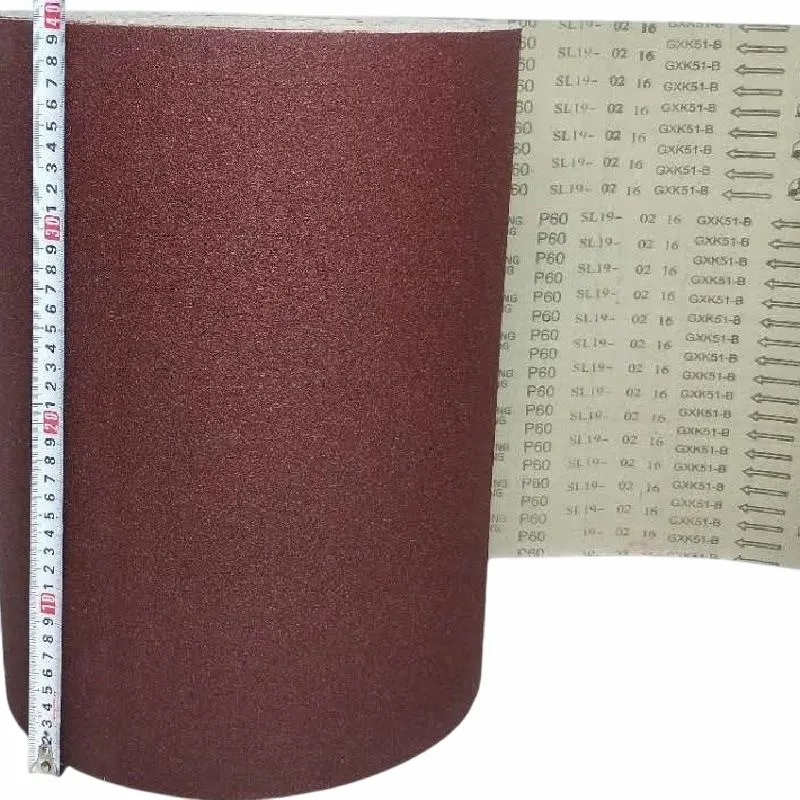
If you are in the market for high - quality coated abrasives, whether it's Custom Abrasive Sanding Belts, Abrasive Cloth Backed Rolls, or Black SiC Waterproof Abrasive Paper, we are here to help. We are committed to providing you with the best products and solutions to meet your specific needs. Contact us to start a procurement discussion and explore how we can work together to overcome your challenges.
References
- "The Coated Abrasives Handbook" - A comprehensive guide on the manufacturing, applications, and challenges of coated abrasives.
- Industry reports from market research firms such as Grand View Research and MarketsandMarkets, which provide insights into market trends, competitive landscape, and regulatory environment in the coated abrasives industry.
- Academic research papers on environmental regulations, technological advancements, and quality control in the manufacturing industry, which are relevant to the coated abrasives sector.