

As a supplier of Brown Fused Alumina, I understand the critical importance of proper packaging for transporting this high - quality abrasive material. Brown Fused Alumina is a widely used abrasive due to its excellent hardness, toughness, and heat resistance. It finds applications in various industries such as abrasives manufacturing, refractory materials, and surface treatment. However, to ensure its quality remains intact during transit, specific packaging requirements must be met.
Material Selection for Packaging
The first step in proper packaging is choosing the right materials. For Brown Fused Alumina, we typically use high - strength woven polypropylene bags. These bags are resistant to tearing and can withstand the weight and abrasiveness of the product. They are also water - resistant to a certain degree, which is crucial as moisture can cause the alumina particles to clump together, affecting its quality.
In addition to polypropylene bags, we also offer steel drums for larger quantities or for customers who require more robust packaging. Steel drums provide an extra layer of protection against physical damage and are suitable for long - distance transportation, especially in harsh environmental conditions. The drums are made of high - grade steel, which is corrosion - resistant, ensuring that the product inside remains in good condition.
Inner Lining for Protection
To further safeguard the Brown Fused Alumina, an inner lining is essential. We use polyethylene liners inside the polypropylene bags and steel drums. Polyethylene is a non - reactive material that provides a barrier against moisture, dust, and other contaminants. It also helps to prevent the abrasive particles from scratching the inner surface of the packaging, which could lead to leakage over time.
The thickness of the polyethylene liner is carefully selected to ensure maximum protection. A thicker liner offers better resistance to punctures and moisture penetration, but it also adds to the cost. We strike a balance by using liners that are thick enough to provide adequate protection without significantly increasing the overall cost of packaging.
Sealing Mechanisms
Proper sealing is crucial to prevent the escape of the Brown Fused Alumina during transportation. For polypropylene bags, we use heat - sealing technology. This creates a strong, air - tight seal that keeps the product inside and prevents dust from entering. The heat - sealing process is carefully controlled to ensure that the seal is uniform and durable.
In the case of steel drums, we use tight - fitting lids with rubber gaskets. The gaskets create a watertight and airtight seal, preventing any leakage. The lids are secured with bolts or clamps to ensure that they do not come loose during transit.
Labeling and Marking
Accurate labeling and marking are essential for the safe and efficient transportation of Brown Fused Alumina. Each package is labeled with the product name, grade, net weight, and batch number. This information helps the customers to identify the product easily and ensures traceability.
In addition to the basic information, we also include handling instructions on the labels. These instructions provide guidance on how to handle the packages safely, including information on stacking limits, storage conditions, and any special precautions. We also mark the packages with international hazard symbols if applicable, to comply with transportation regulations.
Stacking and Palletization
To optimize space during transportation and reduce the risk of damage, proper stacking and palletization are necessary. We stack the polypropylene bags and steel drums in a stable manner, following the recommended stacking limits. The packages are then placed on pallets made of high - quality wood or plastic.
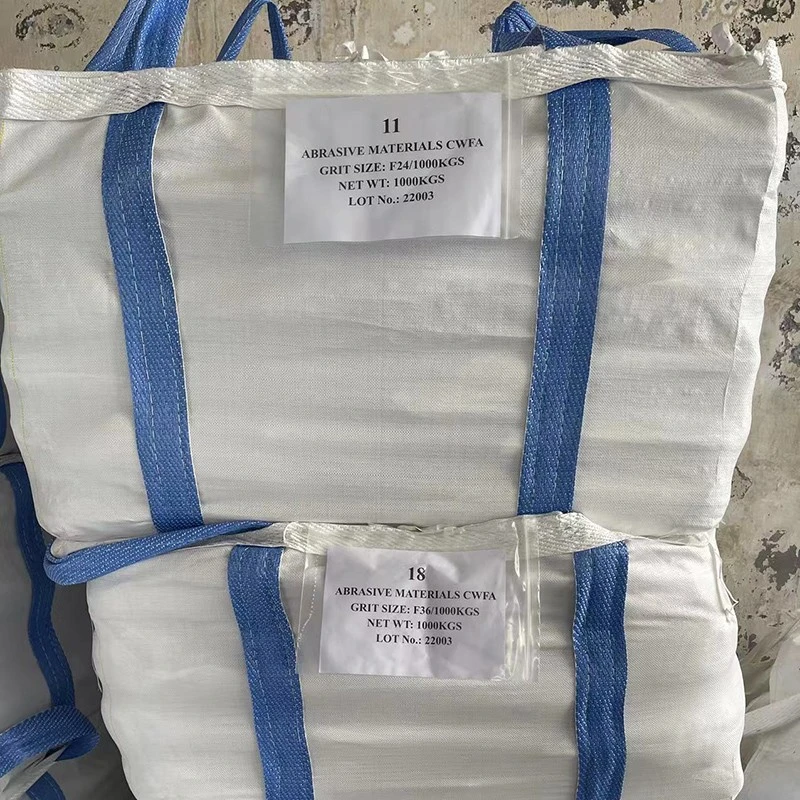

Palletization not only makes it easier to handle the packages using forklifts and other equipment but also provides additional support and stability. The pallets are designed to distribute the weight evenly, reducing the risk of crushing the lower packages. We also use strapping or shrink - wrapping to secure the packages on the pallets, preventing them from shifting during transit.
Environmental Considerations
In today's world, environmental considerations are of utmost importance. We are committed to using sustainable packaging materials wherever possible. Our polypropylene bags are recyclable, and we encourage our customers to recycle them after use. The steel drums can also be reused or recycled, reducing the environmental impact.
We also strive to minimize the amount of packaging material used without compromising on the protection of the product. By optimizing the packaging design, we can reduce waste and lower the overall carbon footprint associated with the transportation of Brown Fused Alumina.
Comparison with Other Abrasive Materials
When comparing the packaging requirements of Brown Fused Alumina with other abrasive materials such as Coated WFA, Tabular Alumina, and Black Silicon Carbide for Coated, there are some similarities and differences.
All these abrasive materials require protection against moisture, dust, and physical damage. However, the specific packaging materials and methods may vary depending on the properties of the material. For example, Brown Fused Alumina is a relatively heavy and abrasive material, so it requires stronger packaging materials compared to some other finer - grained abrasives.
Conclusion
Proper packaging is essential for the successful transportation of Brown Fused Alumina. By using high - quality materials, appropriate inner linings, effective sealing mechanisms, accurate labeling, and proper stacking and palletization, we can ensure that the product reaches our customers in perfect condition.
As a supplier, we are dedicated to meeting the highest standards of packaging to provide our customers with the best - quality Brown Fused Alumina. If you are interested in purchasing Brown Fused Alumina or have any questions about our packaging or product, please feel free to contact us for further discussion and procurement negotiations.
References
- ASTM International standards for abrasive materials packaging.
- Industry best practices for transporting abrasive products.