

Hey there! As a supplier of Coated WFA, I often get asked about the difference between Coated WFA and regular WFA. So, I thought I'd break it down for you in this blog post.
What is WFA?
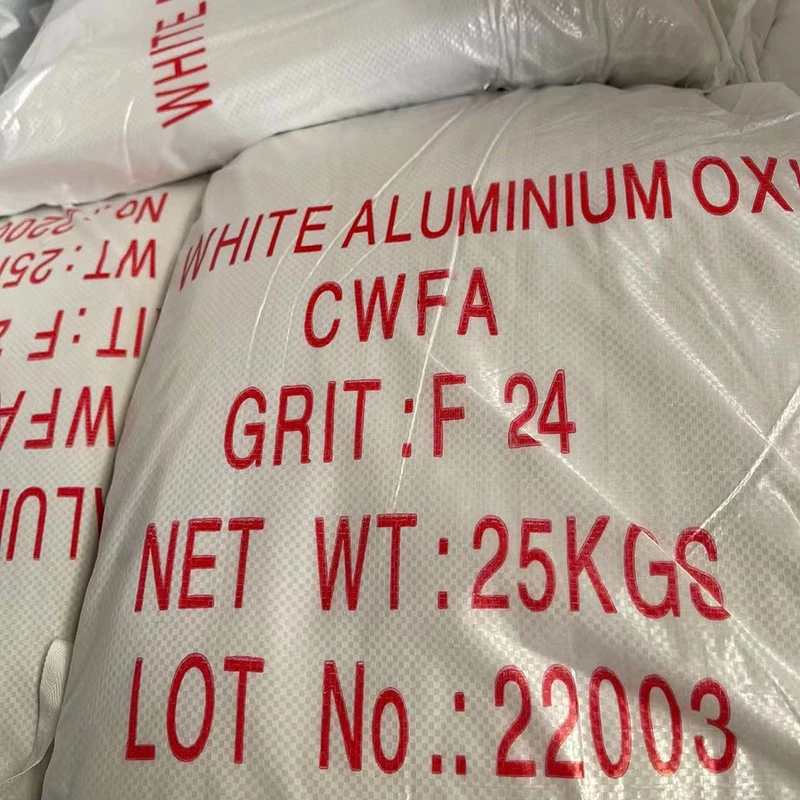
First off, let's talk about what WFA is. WFA stands for White Fused Alumina. It's a super hard and tough abrasive material that's widely used in a bunch of industries. Regular WFA is made by melting high - purity alumina in an electric arc furnace. Once it cools down, it forms these really hard crystals that are great for grinding, sandblasting, and other abrasive applications.
What is Coated WFA?
Coated WFA is basically regular WFA with a special coating on it. This coating can be made of different materials, and it serves a few important purposes. The coating can improve the performance of the abrasive in various ways. For example, it can enhance the bonding between the abrasive grains and the backing material in coated abrasives. It can also reduce the heat generated during the grinding process, which helps to prevent the workpiece from getting over - heated and damaged.
Physical and Chemical Differences
Hardness and Toughness
Regular WFA is already pretty hard, with a Mohs hardness of around 9. It's tough enough to handle most grinding and cutting jobs. But Coated WFA can have an edge in terms of durability. The coating can protect the WFA grains from wear and tear, making them last longer. This means that in applications where you need a long - lasting abrasive, Coated WFA might be a better choice.

Chemical Resistance
The coating on Coated WFA can also provide better chemical resistance. In some industrial processes, the abrasive might come into contact with chemicals. The coating can act as a barrier, protecting the WFA grains from chemical attack. Regular WFA, on the other hand, is more vulnerable to chemical reactions, especially in harsh chemical environments.
Performance in Different Applications
Grinding
When it comes to grinding, both regular and Coated WFA can get the job done. But Coated WFA often offers a smoother and more efficient grinding process. The coating helps to keep the abrasive grains in place, which results in a more consistent cut. It also reduces the amount of heat generated, which is great for delicate workpieces. Regular WFA can be a bit more aggressive, which might be suitable for heavy - duty grinding tasks.
Sandblasting
In sandblasting applications, Coated WFA has some advantages. The coating can prevent the grains from shattering too quickly, which means you can reuse them more times. This can save you money in the long run. Regular WFA, while still effective, might break down faster, leading to more frequent replacements.
Cost - effectiveness
At first glance, Coated WFA might seem more expensive than regular WFA. But when you consider its longer lifespan and better performance, it can actually be more cost - effective. For example, in a high - volume grinding operation, the reduced need for frequent replacements of Coated WFA can offset its higher initial cost.
Availability of Related Products
If you're interested in abrasive grains, you might also want to check out Blue Ceramic Abrasive Grains and Green Silicon Carbide. These are also great options for different abrasive applications.
Why Choose Our Coated WFA?
As a supplier of Coated WFA, we take pride in offering high - quality products. Our Coated WFA is made with the latest technology and strict quality control measures. We ensure that the coating is evenly applied and that the abrasive grains have the right properties for optimal performance.
Let's Talk!
If you're in the market for Coated WFA or just want to learn more about the differences between it and regular WFA, don't hesitate to reach out. We're here to answer your questions and help you find the best abrasive solution for your needs. Whether you're in the manufacturing, automotive, or any other industry that requires abrasive materials, we've got you covered.
References
- Some general knowledge about abrasive materials from industry textbooks and research papers.
- Internal product data and testing results from our company's R & D department.