

What is the effect of abrasive grain hardness on the grinding force?
As a seasoned supplier of abrasive grains, I've witnessed firsthand the pivotal role that abrasive grain hardness plays in the grinding process. Understanding this relationship is crucial for optimizing grinding operations, enhancing efficiency, and achieving superior surface finishes. In this blog post, we'll delve into the intricate connection between abrasive grain hardness and grinding force, exploring how different hardness levels can impact the performance of grinding wheels and the quality of the finished product.
The Basics of Abrasive Grain Hardness
Before we dive into the effects of abrasive grain hardness on grinding force, let's first establish a clear understanding of what hardness means in the context of abrasive materials. Hardness is a measure of a material's resistance to deformation, indentation, or scratching. In the world of abrasives, hardness is typically measured using the Mohs scale or the Knoop or Vickers hardness tests.
Abrasive grains with higher hardness values are generally more wear-resistant and can maintain their sharp cutting edges for longer periods. This makes them ideal for grinding hard materials such as metals, ceramics, and composites. On the other hand, softer abrasive grains are more suitable for finishing operations or grinding softer materials, as they are less likely to cause excessive damage to the workpiece surface.
The Relationship Between Abrasive Grain Hardness and Grinding Force
The grinding force is the force exerted by the grinding wheel on the workpiece during the grinding process. It is influenced by a variety of factors, including the abrasive grain hardness, the grinding wheel speed, the feed rate, and the depth of cut. In general, harder abrasive grains require higher grinding forces to remove material from the workpiece. This is because harder grains are more resistant to wear and deformation, and therefore require more energy to break down and remove the material.
When using a grinding wheel with harder abrasive grains, the grinding force tends to increase as the grain hardness increases. This is because the harder grains are able to penetrate deeper into the workpiece surface and remove material more efficiently. However, if the grinding force is too high, it can cause excessive heat generation, which can lead to thermal damage to the workpiece surface and reduce the quality of the finished product.
On the other hand, softer abrasive grains require lower grinding forces to remove material from the workpiece. This is because softer grains are more easily worn down and deformed, and therefore require less energy to break down and remove the material. However, if the grinding force is too low, it can result in poor material removal rates and longer grinding times.
Impact on Grinding Performance
The hardness of the abrasive grains can have a significant impact on the overall grinding performance. Here are some key ways in which abrasive grain hardness affects grinding performance:
- Material Removal Rate: Harder abrasive grains generally have a higher material removal rate than softer grains. This is because they are able to penetrate deeper into the workpiece surface and remove material more efficiently. However, as mentioned earlier, if the grinding force is too high, it can cause excessive heat generation and reduce the material removal rate.
- Surface Finish: The hardness of the abrasive grains can also affect the surface finish of the workpiece. Softer abrasive grains tend to produce a smoother surface finish than harder grains, as they are less likely to cause excessive damage to the workpiece surface. However, harder grains can be used to achieve a higher level of surface finish if the grinding process is carefully controlled.
- Wheel Wear: The hardness of the abrasive grains can also affect the wear rate of the grinding wheel. Harder grains are more wear-resistant than softer grains, and therefore tend to have a longer service life. However, if the grinding force is too high, it can cause excessive wear on the grinding wheel and reduce its service life.
- Thermal Damage: As mentioned earlier, the hardness of the abrasive grains can affect the amount of heat generated during the grinding process. If the grinding force is too high, it can cause excessive heat generation, which can lead to thermal damage to the workpiece surface and reduce the quality of the finished product.
Choosing the Right Abrasive Grain Hardness
Choosing the right abrasive grain hardness is crucial for achieving optimal grinding performance. Here are some factors to consider when selecting the appropriate abrasive grain hardness for your grinding application:
- Workpiece Material: The hardness of the workpiece material is one of the most important factors to consider when selecting the abrasive grain hardness. Harder workpiece materials require harder abrasive grains to achieve efficient material removal, while softer workpiece materials can be ground using softer grains.
- Grinding Operation: The type of grinding operation also plays a role in determining the appropriate abrasive grain hardness. For example, rough grinding operations typically require harder abrasive grains to achieve high material removal rates, while finishing operations may require softer grains to achieve a smooth surface finish.
- Grinding Wheel Speed and Feed Rate: The grinding wheel speed and feed rate can also affect the abrasive grain hardness selection. Higher grinding wheel speeds and feed rates generally require harder abrasive grains to maintain efficient material removal.
- Surface Finish Requirements: The desired surface finish of the workpiece is another important factor to consider when selecting the abrasive grain hardness. Softer abrasive grains are generally used to achieve a smoother surface finish, while harder grains can be used to achieve a higher level of surface finish if the grinding process is carefully controlled.
Common Abrasive Grains and Their Hardness
There are several common types of abrasive grains used in grinding wheels, each with its own unique hardness and properties. Here are some of the most commonly used abrasive grains and their hardness values:
- White Fused Alumina: White fused alumina is a high-purity aluminum oxide abrasive with a hardness of around 9 on the Mohs scale. It is a popular choice for grinding hard materials such as steels, stainless steels, and high-speed steels.
- Zirconia Fused Alumina: Zirconia fused alumina is a composite abrasive made from a mixture of aluminum oxide and zirconium oxide. It has a hardness of around 8.5 on the Mohs scale and is known for its high toughness and wear resistance. It is commonly used for grinding hard and tough materials such as nickel-based alloys and titanium alloys.
- Green Silicon Carbide: Green silicon carbide is a very hard and brittle abrasive with a hardness of around 9.5 on the Mohs scale. It is commonly used for grinding non-ferrous metals, ceramics, and glass.
Conclusion
In conclusion, the hardness of the abrasive grains plays a crucial role in the grinding process. It affects the grinding force, material removal rate, surface finish, wheel wear, and thermal damage. By understanding the relationship between abrasive grain hardness and grinding performance, you can choose the right abrasive grains for your specific grinding application and achieve optimal results.
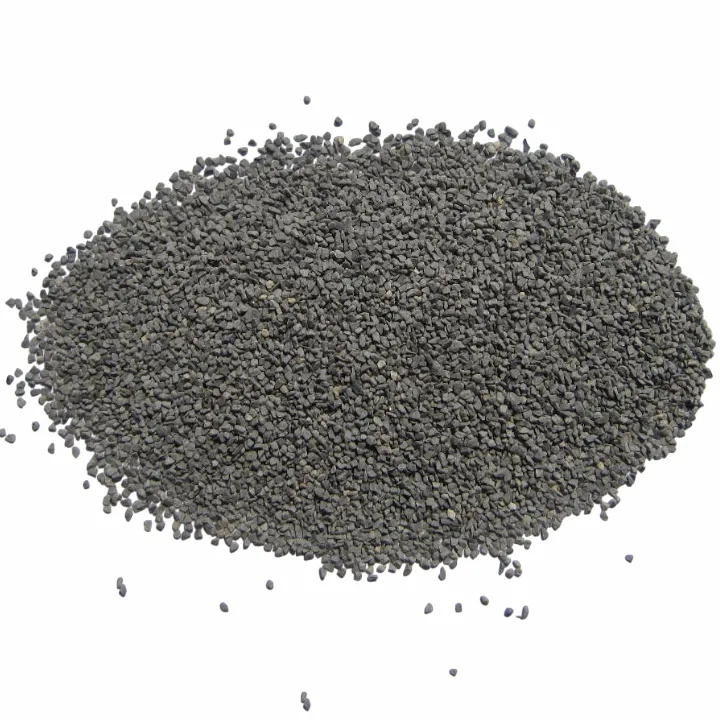
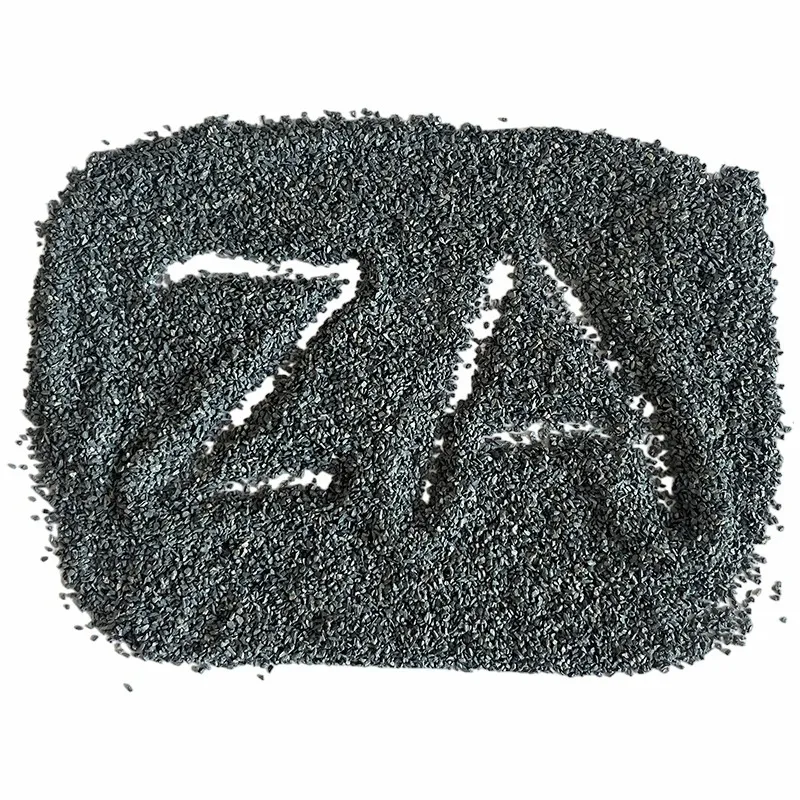
As a leading supplier of abrasive grains, we offer a wide range of high-quality abrasive products to meet the diverse needs of our customers. Whether you're looking for white fused alumina, zirconia fused alumina, or green silicon carbide, we have the right abrasive solution for you. If you have any questions or need assistance in selecting the appropriate abrasive grains for your grinding application, please don't hesitate to contact us. We're here to help you achieve the best possible grinding results.
References
- Malkin, S., & Guo, C. (2008). Grinding technology: theory and applications of machining with abrasives. John Wiley & Sons.
- Shaw, M. C. (2005). Metal cutting principles. Oxford University Press.
- Trent, E. M., & Wright, P. K. (2000). Metal cutting. Butterworth-Heinemann.