

As a supplier of Ceramic Flap Discs, I've encountered numerous inquiries about the heat resistance of these essential abrasive tools. In this blog post, I'll delve into the science behind the heat resistance of Ceramic Flap Discs, exploring what it means, why it matters, and how it impacts their performance.
Understanding Heat Resistance in Abrasive Tools
Before we focus on Ceramic Flap Discs, it's crucial to understand what heat resistance means in the context of abrasive tools. When an abrasive disc comes into contact with a workpiece, friction is generated. This friction converts mechanical energy into heat. If the disc cannot withstand the heat generated during the grinding or polishing process, it can lead to several issues.
Excessive heat can cause the abrasive grains to lose their sharpness prematurely. The heat can also damage the bonding agent that holds the abrasive grains to the backing material, leading to grain shedding. This not only reduces the efficiency of the disc but also poses a safety risk as loose grains can become projectiles. Additionally, high heat can warp the workpiece, especially if it's made of a heat - sensitive material like aluminum or certain plastics.
The Science of Heat Resistance in Ceramic Flap Discs
Ceramic Flap Discs are known for their excellent heat resistance, and this is primarily due to the unique properties of the ceramic abrasive grains they use. Ceramic abrasives, typically made from aluminum oxide with specific additives, have a high melting point. This high melting point allows the grains to remain intact and sharp even under high - temperature conditions.
The crystal structure of ceramic abrasives also plays a role in their heat resistance. These abrasives have a self - sharpening characteristic. As the outer layer of the grain wears away during the grinding process, new sharp edges are exposed. This continuous self - sharpening action reduces the amount of friction generated, which in turn helps to keep the temperature down.
Moreover, the backing material and the bonding agent used in Ceramic Flap Discs are carefully selected to withstand high temperatures. The backing material provides structural support and must be able to resist warping or burning. The bonding agent holds the abrasive flaps in place and must maintain its integrity under heat. Advanced bonding technologies are employed to ensure that the flaps stay firmly attached to the disc even when exposed to high - heat environments.
Factors Affecting the Heat Resistance of Ceramic Flap Discs
Several factors can affect the heat resistance of Ceramic Flap Discs. One of the most significant factors is the quality of the ceramic abrasive grains. Higher - quality grains with a more uniform crystal structure and better chemical composition will generally have better heat resistance.
The design of the flap disc also matters. Flap discs with a more open structure allow for better air circulation, which helps to dissipate heat more effectively. Additionally, the density of the flaps can impact heat resistance. A lower - density flap arrangement may reduce heat buildup as there is less material in contact with the workpiece at any given time.
The operating conditions also play a crucial role. The pressure applied during grinding, the speed of the disc, and the type of workpiece material all affect the amount of heat generated. For example, grinding a hard, high - carbon steel workpiece will generate more heat than grinding a softer aluminum alloy.
Benefits of High Heat Resistance in Ceramic Flap Discs
The high heat resistance of Ceramic Flap Discs offers several benefits. Firstly, it extends the lifespan of the disc. Since the abrasive grains remain sharp for longer and the bonding agent doesn't break down easily, the disc can be used for more extended periods without needing to be replaced. This reduces the overall cost of grinding and polishing operations.
Secondly, it improves the quality of the finish. By maintaining a consistent temperature during the process, the risk of heat - induced damage to the workpiece is minimized. This results in a smoother, more uniform finish, which is especially important for applications where aesthetics matter, such as in the automotive or furniture industries.
Finally, high heat resistance enhances safety. With less grain shedding and reduced risk of disc failure due to heat, the likelihood of accidents is significantly reduced. Workers can operate the Ceramic Flap Discs with more confidence, knowing that the tool is reliable and safe.
Comparing Ceramic Flap Discs with Other Types of Flap Discs
To better understand the heat resistance of Ceramic Flap Discs, it's useful to compare them with other types of flap discs. For example, Zirconia Fused Alumina Flap Discs are another popular type of abrasive disc. While zirconia fused alumina abrasives also have good heat resistance, ceramic abrasives generally outperform them in high - temperature applications.
WA Flap Discs, which use white aluminum oxide abrasives, are less heat - resistant compared to Ceramic Flap Discs. White aluminum oxide grains tend to dull more quickly under high - heat conditions, leading to reduced efficiency and a shorter lifespan.
Applications Where Heat Resistance is Crucial
There are many applications where the heat resistance of Ceramic Flap Discs is crucial. In the metal fabrication industry, for example, grinding and polishing stainless steel, carbon steel, and other high - strength alloys generate a significant amount of heat. Ceramic Flap Discs can handle these high - heat applications with ease, ensuring a high - quality finish and long tool life.
In the aerospace industry, where precision and quality are of utmost importance, Ceramic Flap Discs are used to grind and polish components made from heat - resistant alloys. The high heat resistance of these discs helps to maintain the integrity of the components and ensures that they meet the strict quality standards of the industry.
Tips for Maximizing the Heat Resistance of Ceramic Flap Discs
To get the most out of the heat resistance of Ceramic Flap Discs, there are several tips that users can follow. Firstly, it's important to use the correct disc for the application. Selecting a disc with the appropriate grit size and abrasive type for the workpiece material will ensure that the disc operates efficiently and generates less heat.
Secondly, operators should apply the right amount of pressure during grinding. Excessive pressure can increase friction and heat buildup. It's best to use a light, consistent pressure and let the disc do the work.

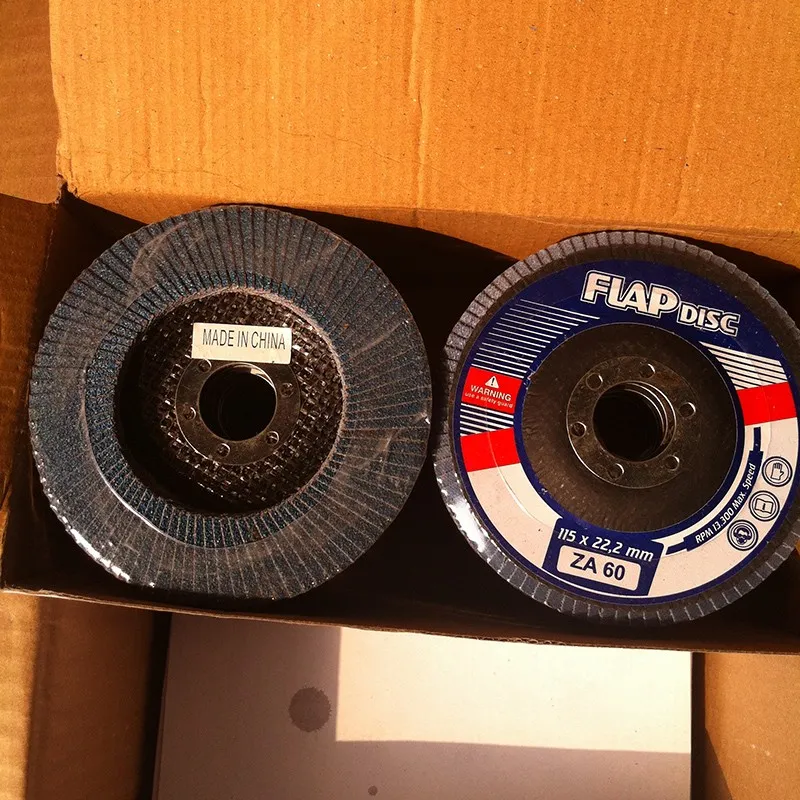
Finally, proper maintenance of the disc is essential. Regularly cleaning the disc to remove debris and ensuring that it is stored in a cool, dry place can help to maintain its heat - resistant properties.
Conclusion
In conclusion, the heat resistance of Ceramic Flap Discs is a critical characteristic that sets them apart from other types of abrasive tools. The unique properties of ceramic abrasives, combined with careful design and high - quality materials, make these discs highly resistant to heat. This heat resistance offers numerous benefits, including longer lifespan, better finish quality, and enhanced safety.
If you're in the market for high - quality Durable Flap Discs with excellent heat resistance, I encourage you to get in touch. Whether you're a small - scale workshop or a large - scale industrial operation, we can provide you with the right Ceramic Flap Discs to meet your specific needs. Feel free to reach out to discuss your requirements and explore how our products can improve your grinding and polishing processes.
References
- ASTM International. (Year). Standard test methods for evaluating the performance of abrasive products.
- Abrasive Engineering Handbook. (Publisher, Year).
- Technical papers on ceramic abrasives from leading abrasive manufacturers.