

What is the maximum cutting depth of a cutting wheel?
As a cutting wheel supplier, I often encounter questions from customers about the maximum cutting depth of cutting wheels. This is a crucial aspect that significantly impacts the efficiency and effectiveness of cutting operations. In this blog, I'll delve into the factors influencing the maximum cutting depth of a cutting wheel and provide some insights to help you make informed decisions for your cutting needs.
Understanding Cutting Wheels
Before discussing the maximum cutting depth, it's essential to understand what cutting wheels are and how they work. Cutting wheels are thin, circular abrasive discs used for cutting various materials, including metal, stainless steel, and other hard substances. They are typically made of abrasive grains bonded together by a resin or other binding agents. When the cutting wheel rotates at high speed, the abrasive grains on its surface grind and remove material from the workpiece, creating a cut.
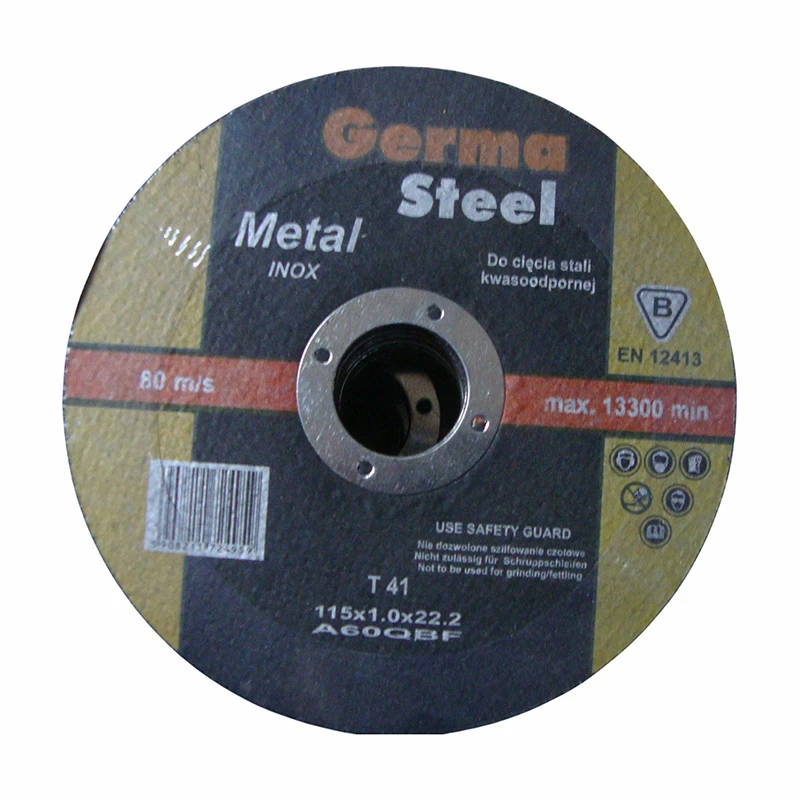
There are different types of cutting wheels designed for specific applications. For instance, Industrial Cutting Wheels for Metal are engineered to handle the rigors of cutting through various metals, while Cutting Wheels for Stainless Steel are formulated to prevent contamination and ensure a clean cut on stainless steel surfaces.
Factors Affecting the Maximum Cutting Depth
Several factors determine the maximum cutting depth of a cutting wheel. Let's take a closer look at each of these factors:
1. Wheel Diameter
The diameter of the cutting wheel plays a significant role in determining its maximum cutting depth. Generally, larger diameter wheels can achieve greater cutting depths compared to smaller ones. This is because a larger wheel has a greater circumference, allowing it to cover more area with each rotation. For example, a 12 - inch cutting wheel can typically cut deeper than an 8 - inch wheel under the same operating conditions. However, it's important to note that larger wheels also require more power to operate and may not be suitable for all cutting applications.
2. Abrasive Grain Type and Size
The type and size of the abrasive grains used in the cutting wheel also affect its cutting performance and maximum cutting depth. Different abrasive materials, such as aluminum oxide, silicon carbide, and diamond, have varying hardness and cutting capabilities. For example, diamond - coated cutting wheels are extremely hard and are ideal for cutting hard materials like ceramics and glass, while aluminum oxide wheels are commonly used for cutting metals.
The size of the abrasive grains also matters. Coarser grains are more aggressive and can remove material more quickly, but they may not provide as smooth a cut. Finer grains, on the other hand, produce a smoother cut but may have a slower cutting rate. The choice of abrasive grain type and size depends on the material being cut and the desired cutting quality.
3. Wheel Thickness
The thickness of the cutting wheel is another important factor. Thicker wheels are generally more durable and can withstand higher cutting forces, allowing for greater cutting depths. However, thicker wheels also generate more heat during cutting, which can lead to premature wear and reduced cutting efficiency. Thinner wheels, on the other hand, are more flexible and can produce a cleaner cut, but they may not be suitable for deep cuts or heavy - duty applications.
4. Cutting Machine Power
The power of the cutting machine is crucial for achieving the maximum cutting depth. A more powerful machine can provide the necessary torque and speed to drive the cutting wheel through the material. If the machine does not have enough power, the cutting wheel may stall or overheat, resulting in a poor - quality cut and reduced cutting depth. When selecting a cutting wheel, it's important to ensure that it is compatible with the power output of your cutting machine.
5. Material Being Cut
The type and hardness of the material being cut also have a significant impact on the maximum cutting depth. Softer materials, such as aluminum and brass, are easier to cut and allow for greater cutting depths compared to harder materials like stainless steel and titanium. Additionally, the structure and composition of the material can affect the cutting process. For example, materials with a fibrous or laminated structure may require special cutting techniques or wheels to achieve optimal results.

Determining the Maximum Cutting Depth
To determine the maximum cutting depth of a cutting wheel, it's best to refer to the manufacturer's specifications. The manufacturer will typically provide information on the recommended cutting depth based on the wheel's diameter, type, and intended application. It's important to follow these guidelines to ensure safe and efficient cutting operations.
In addition to the manufacturer's specifications, you can also conduct some tests to determine the maximum cutting depth for your specific application. Start by making a few test cuts on a scrap piece of the same material you'll be working with. Gradually increase the cutting depth with each pass until you reach the point where the wheel starts to struggle or the cut quality deteriorates. This will give you a good indication of the maximum cutting depth that the wheel can achieve under your operating conditions.
Tips for Achieving Optimal Cutting Depth
Here are some tips to help you achieve the maximum cutting depth with your cutting wheel:
- Choose the Right Wheel: Select a cutting wheel that is specifically designed for the material you're cutting and the application you're using it for. Consider factors such as wheel diameter, abrasive grain type and size, and wheel thickness.
- Maintain the Cutting Machine: Regularly maintain your cutting machine to ensure it is in good working condition. This includes checking the power supply, blade alignment, and lubrication. A well - maintained machine will provide consistent performance and help you achieve optimal cutting depths.
- Use the Correct Cutting Speed: Adjust the cutting speed of the machine according to the material being cut and the type of cutting wheel. Cutting too fast can cause the wheel to overheat and wear out quickly, while cutting too slowly can result in a poor - quality cut.
- Apply the Right Pressure: Apply a consistent and appropriate amount of pressure when cutting. Too much pressure can cause the wheel to break or damage the workpiece, while too little pressure may result in a slow and inefficient cut.
- Cool the Cutting Area: Use a coolant or lubricant to cool the cutting area and reduce friction. This can help prevent the wheel from overheating and extend its lifespan.
Conclusion
The maximum cutting depth of a cutting wheel is determined by several factors, including wheel diameter, abrasive grain type and size, wheel thickness, cutting machine power, and the material being cut. By understanding these factors and following the tips outlined in this blog, you can select the right cutting wheel for your application and achieve optimal cutting depths.
If you're in the market for high - quality cutting wheels, we're here to help. As a leading cutting wheel supplier, we offer a wide range of cutting wheels for various applications, including Industrial Cutting Wheels for Metal and Cutting Wheels for Stainless Steel. Our team of experts can assist you in choosing the right wheel for your specific needs and provide you with all the information and support you need to ensure successful cutting operations.
Contact us today to discuss your cutting wheel requirements and start a procurement conversation. We look forward to working with you to meet your cutting needs.
References
- "Cutting Tools Handbook", Industrial Press Inc.
- "Abrasive Machining Technology", CRC Press