

Hey there! As a tabular alumina supplier, I'm super stoked to chat with you about how this amazing material contributes to the performance of refractory bricks. So, let's dive right in!
What is Tabular Alumina?
First off, let's quickly go over what tabular alumina is. It's a high - purity, dense form of alumina that's produced by sintering aluminum hydroxide at extremely high temperatures. The result is a material with a well - defined crystal structure and excellent physical and chemical properties.
High - Temperature Resistance
One of the most crucial aspects of refractory bricks is their ability to withstand high temperatures without deforming or breaking down. Tabular alumina plays a key role here. Its high melting point, which can reach up to around 2050°C, means that refractory bricks made with tabular alumina can be used in some of the hottest industrial environments.
For example, in steelmaking furnaces, where temperatures can soar above 1600°C, refractory bricks with tabular alumina can maintain their shape and integrity. This is because the strong crystal structure of tabular alumina resists thermal expansion and contraction. When the furnace heats up and cools down during the steel - making process, the tabular alumina in the refractory bricks helps prevent cracking and spalling, which could otherwise lead to furnace failure and costly downtime.
Chemical Stability
Refractory bricks are often exposed to various corrosive chemicals in industrial processes. Tabular alumina is highly chemically stable, making it an ideal ingredient for refractory bricks in such environments.
In the cement industry, for instance, kilns are filled with alkaline substances. Tabular alumina - based refractory bricks can resist the attack of these alkalis. The chemical bonds in tabular alumina are strong enough to prevent the alkalis from reacting with the brick material and causing degradation. This chemical stability extends the lifespan of the refractory bricks, reducing the frequency of brick replacements and saving money for the cement manufacturers.
Mechanical Strength
Another area where tabular alumina makes a big difference is in the mechanical strength of refractory bricks. The dense and well - structured nature of tabular alumina particles gives refractory bricks enhanced compressive strength.
When you think about it, in many industrial applications, refractory bricks are under a lot of pressure. In blast furnaces, for example, the weight of the iron ore and other materials above the refractory bricks creates significant compressive forces. Tabular alumina - containing bricks can handle these forces without crumbling. This means that the furnace lining can support the heavy loads, ensuring the safe and efficient operation of the furnace.
Thermal Conductivity
The thermal conductivity of refractory bricks is also an important factor. Tabular alumina has a relatively low thermal conductivity, which is beneficial in many industrial processes.
In heat - treating furnaces, where maintaining a consistent temperature is crucial, the low thermal conductivity of tabular alumina - based refractory bricks helps to reduce heat loss. This means that less energy is required to keep the furnace at the desired temperature, leading to energy savings and lower operating costs.
Comparison with Other Abrasive Grains
Now, let's compare tabular alumina with some other related materials. You might have heard of Calcined White Fused Alumina and White Fused Alumina. While these are also high - quality abrasive grains, tabular alumina has some unique advantages when it comes to refractory bricks.
Calcined white fused alumina is made by calcining white fused alumina at high temperatures. It has good hardness and abrasion resistance, but in terms of the high - temperature stability and chemical resistance required for refractory bricks, tabular alumina often outperforms it. Tabular alumina's crystal structure is more stable under extreme conditions, making it better suited for long - term use in high - temperature industrial environments.

White fused alumina is known for its high purity and excellent abrasive properties. However, when it comes to the mechanical strength and thermal shock resistance needed in refractory bricks, tabular alumina provides a more balanced performance. The dense structure of tabular alumina gives refractory bricks better resistance to cracking and spalling during rapid temperature changes, which is a common challenge in many industrial processes.
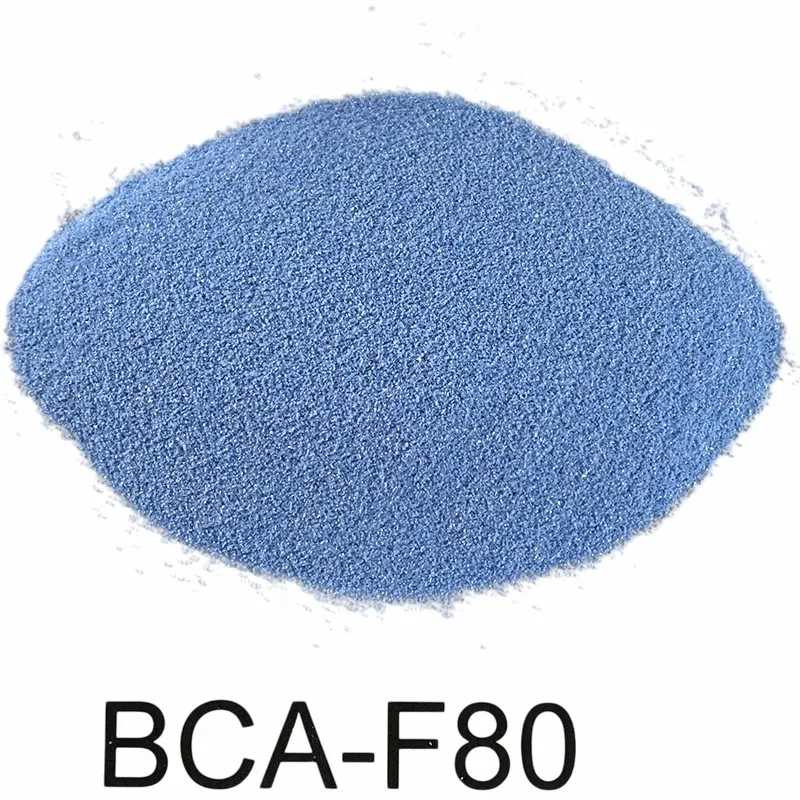
There's also Blue Ceramic Abrasive Grains. These grains are designed for high - performance abrasion applications. But for refractory bricks, tabular alumina is a better choice because of its specific properties related to high - temperature resistance, chemical stability, and mechanical strength. Blue ceramic abrasive grains may not have the same level of performance in the harsh conditions where refractory bricks are used.
Why Choose Our Tabular Alumina?
As a tabular alumina supplier, we take pride in offering high - quality products. Our tabular alumina is produced using the latest manufacturing techniques, ensuring consistent quality and performance.
We have strict quality control measures in place to make sure that every batch of tabular alumina meets the highest standards. This means that when you use our tabular alumina in your refractory bricks, you can expect reliable results. Whether it's high - temperature resistance, chemical stability, or mechanical strength, our tabular alumina will contribute to the superior performance of your refractory bricks.
Contact Us for Procurement
If you're in the business of making refractory bricks and are looking for a reliable tabular alumina supplier, look no further. We're here to help you take your refractory brick performance to the next level. Whether you have questions about our products, need samples, or want to discuss a large - scale procurement, we're just a message away. Get in touch with us today, and let's work together to create the best refractory bricks for your industrial needs.
References
- Smith, J. (2018). "Advances in Refractory Materials". Journal of Industrial Materials, 22(3), 123 - 135.
- Johnson, A. (2019). "The Role of Alumina in High - Temperature Applications". Thermal Engineering Review, 15(2), 89 - 98.
- Brown, R. (2020). "Chemical Stability of Refractory Bricks in Industrial Environments". Chemical Industry Journal, 30(4), 201 - 210.