

Brown Fused Alumina, a widely recognized abrasive material, has been a cornerstone in various industrial applications. As a dedicated supplier of Brown Fused Alumina, I often encounter inquiries about its properties, including the specific heat capacity. In this blog, we will delve into the details of what specific heat capacity means for Brown Fused Alumina, its significance, and how it relates to its practical uses.
Understanding Specific Heat Capacity
Specific heat capacity is a fundamental physical property that describes the amount of heat energy required to raise the temperature of a unit mass of a substance by one degree Celsius (or Kelvin). It is denoted by the symbol "c" and is measured in joules per kilogram per degree Celsius (J/kg°C). The specific heat capacity of a material reflects how it responds to the addition or removal of heat. A substance with a high specific heat capacity can absorb a large amount of heat energy without experiencing a significant increase in temperature, while a material with a low specific heat capacity will heat up or cool down more rapidly.

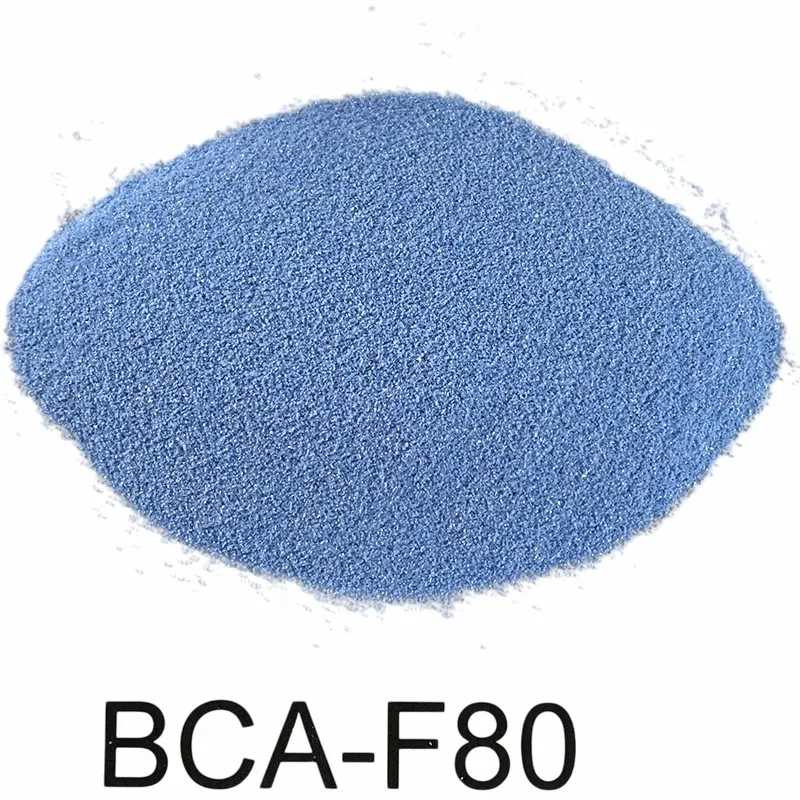
Specific Heat Capacity of Brown Fused Alumina
The specific heat capacity of Brown Fused Alumina typically ranges from approximately 0.75 to 0.90 J/g°C at room temperature. This value can vary slightly depending on factors such as the purity of the material, its crystalline structure, and the presence of any impurities or additives. The relatively moderate specific heat capacity of Brown Fused Alumina makes it suitable for a variety of applications where heat management is crucial.
Significance in Industrial Applications
Abrasive Applications
In abrasive applications, such as grinding, cutting, and polishing, Brown Fused Alumina is subjected to high levels of friction and heat generation. The specific heat capacity of the material plays a vital role in determining its performance and durability. A moderate specific heat capacity allows Brown Fused Alumina to absorb and dissipate heat effectively, preventing excessive temperature rise during the abrasive process. This helps to maintain the integrity of the abrasive grains, reducing the risk of thermal damage and ensuring consistent cutting and grinding performance.
Refractory Applications
Brown Fused Alumina is also widely used in refractory applications, where it is exposed to high temperatures in furnaces, kilns, and other industrial heating equipment. The specific heat capacity of the material influences its ability to withstand thermal stress and maintain its structural integrity under extreme heat. By absorbing and storing heat energy, Brown Fused Alumina can help to regulate the temperature within the refractory lining, preventing rapid temperature fluctuations and reducing the risk of cracking or spalling.
Thermal Insulation
In some cases, Brown Fused Alumina may be used as a thermal insulation material. Its specific heat capacity allows it to absorb and retain heat, providing a barrier against heat transfer and helping to maintain a stable temperature environment. This makes it suitable for applications where thermal insulation is required, such as in the construction of furnaces, ovens, and other high-temperature equipment.
Comparison with Other Abrasive Materials
When comparing the specific heat capacity of Brown Fused Alumina with other abrasive materials, it is important to consider the specific requirements of the application. For example, White Fused Alumina typically has a slightly higher specific heat capacity than Brown Fused Alumina, which may make it more suitable for applications where heat dissipation is critical. On the other hand, Blue Ceramic Abrasive Grains may have a lower specific heat capacity, which can result in faster heat generation and higher cutting efficiency in certain abrasive applications.
Factors Affecting Specific Heat Capacity
As mentioned earlier, the specific heat capacity of Brown Fused Alumina can be influenced by several factors. These include:
- Purity: Higher purity Brown Fused Alumina generally has a more consistent specific heat capacity, as impurities and additives can affect the thermal properties of the material.
- Crystalline Structure: The crystalline structure of Brown Fused Alumina can also impact its specific heat capacity. Different crystal forms may have different thermal properties, which can affect the way the material absorbs and dissipates heat.
- Particle Size and Shape: The particle size and shape of Brown Fused Alumina can influence its specific heat capacity by affecting the surface area-to-volume ratio and the heat transfer characteristics of the material.
Quality Control and Testing
As a supplier of Brown Fused Alumina, we understand the importance of ensuring the quality and consistency of our products. To this end, we implement rigorous quality control measures throughout the manufacturing process, including regular testing of the specific heat capacity and other physical properties of our Brown Fused Alumina. Our testing procedures adhere to international standards and are conducted using state-of-the-art equipment to ensure accurate and reliable results.
Conclusion
The specific heat capacity of Brown Fused Alumina is an important physical property that influences its performance and suitability for a wide range of industrial applications. With a moderate specific heat capacity, Brown Fused Alumina offers excellent heat management capabilities, making it a popular choice for abrasive, refractory, and thermal insulation applications. As a trusted supplier of Brown Fused Alumina, we are committed to providing high-quality products that meet the specific requirements of our customers. If you are interested in learning more about our Brown Fused Alumina products or have any questions about their specific heat capacity or other properties, please do not hesitate to contact us. We look forward to discussing your needs and providing you with the best possible solutions.
References
- Callister, W. D., & Rethwisch, D. G. (2017). Materials Science and Engineering: An Introduction. Wiley.
- Schackelford, J. F. (2018). Introduction to Materials Science for Engineers. Pearson.
- ASTM International. (2021). Standard Test Methods for Chemical Analysis of Alumina and Alumina - Zirconia Refractory Grains and Shapes. ASTM C1471 - 21.