Fiberglass Backing Plate vs Plastic Backing: Which Is Better for Flap Discs?
Choosing the right backing material is a key decision in flap disc production. Among available options, fiberglass backing plates and plastic backings are the most common. Understanding their differences helps manufacturers and buyers select the best solution.
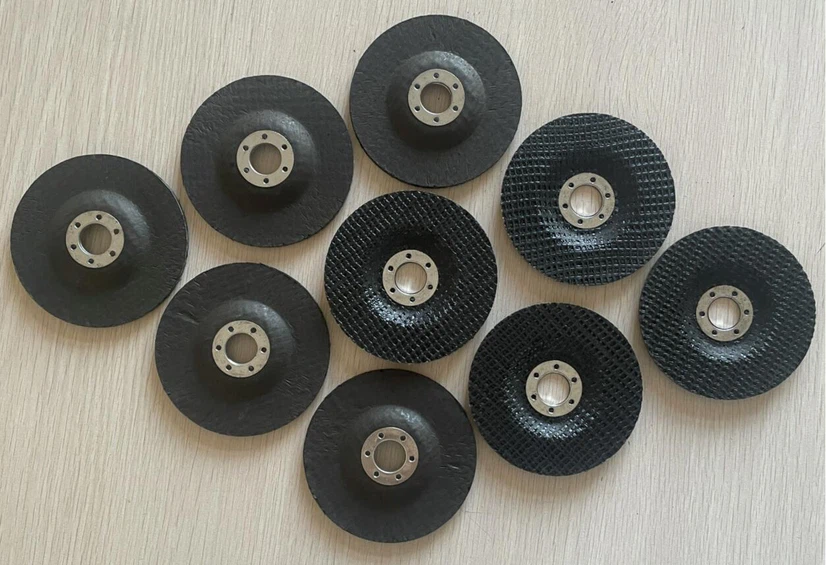
Fiberglass backing plates are made from reinforced fiberglass mesh bonded with heat-resistant resin. They provide excellent strength, stability, and resistance to deformation under high-speed grinding. This makes them ideal for industrial and heavy-duty applications.
Plastic backings, while lightweight and low-cost, generally offer lower heat resistance and mechanical strength. Under continuous grinding pressure, plastic backings may soften or deform, leading to reduced tool life and safety concerns.
In terms of safety, fiberglass backing plates outperform plastic alternatives. They maintain structural integrity at high RPM and reduce the risk of disc failure. For markets with strict safety standards, fiberglass is often the preferred choice.
From a performance perspective, fiberglass backing plates provide better balance and reduced vibration, resulting in smoother grinding and improved operator comfort.
While plastic backings may be suitable for light-duty or DIY applications, fiberglass backing plates remain the standard choice for professional and industrial flap discs.