

Hey there! As a supplier of Brown Fused Alumina, I've seen firsthand how this amazing abrasive material can make a huge difference in the surface finish of workpieces during grinding. In this blog, I'm gonna break down exactly how Brown Fused Alumina impacts that all - important surface finish.
First off, let's talk about what Brown Fused Alumina is. It's a super - tough, hard, and sharp abrasive grain. It's made by fusing high - quality bauxite in an electric arc furnace at super - high temperatures. This process creates a material with excellent hardness and toughness, which are key factors when it comes to grinding.
One of the main ways Brown Fused Alumina affects the surface finish is through its cutting ability. The sharp edges of the grains are like little knives that can easily slice through the material of the workpiece. When you're grinding, these sharp edges remove material quickly and efficiently. This means that you can get rid of rough spots, uneven surfaces, and any imperfections on the workpiece in a relatively short amount of time.
For example, if you're working on a metal workpiece that has some casting flaws or rough machining marks, Brown Fused Alumina can smooth them out. The grains dig into the material, breaking off small chips and leaving a much smoother surface behind. This is especially important in industries where a smooth surface finish is crucial, like the automotive or aerospace industries. In automotive manufacturing, engine parts need to have a very smooth surface to reduce friction and improve performance. Brown Fused Alumina can help achieve that smooth finish, which in turn can enhance the overall quality and efficiency of the engine.
Another aspect is the consistency of the grain size. Brown Fused Alumina is available in a wide range of grain sizes, from coarse to fine. Coarse grains are great for removing large amounts of material quickly. They can take off thick layers of metal or other materials in a short period. However, they may leave a relatively rough surface finish. On the other hand, fine grains are used for the final finishing touches. They remove only a tiny amount of material at a time, but they can create an incredibly smooth and polished surface.
Let's say you're making a precision tool. You might start with a coarse - grained Brown Fused Alumina wheel to shape the tool and remove the bulk of the material. Then, as you get closer to the final dimensions, you can switch to a fine - grained wheel. This two - step process allows you to first get the right shape and then achieve the desired surface finish.
Now, let's compare Brown Fused Alumina with some other abrasive materials. There's Calcined White Fused Alumina. While Calcined White Fused Alumina is also a high - quality abrasive, it's generally more expensive and less tough than Brown Fused Alumina. Brown Fused Alumina can handle more aggressive grinding operations without wearing out as quickly. It can withstand higher pressures and more intense grinding forces, which is great for heavy - duty applications.
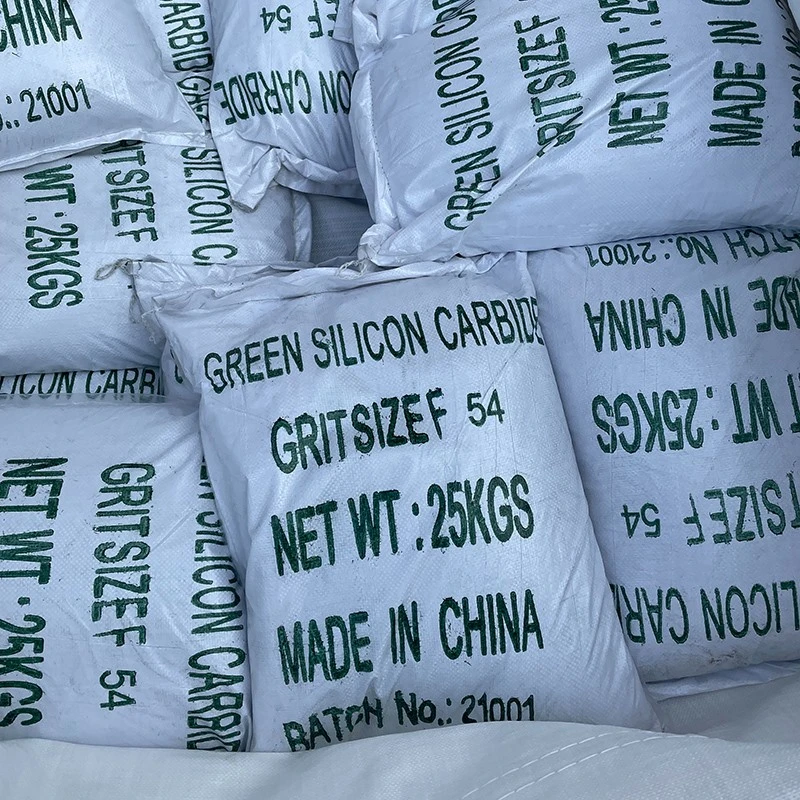
Green Silicon Carbide is another option. Green Silicon Carbide is very hard and sharp, but it's more brittle than Brown Fused Alumina. This means that it may break down more easily during grinding, especially when dealing with tough materials. Brown Fused Alumina, on the other hand, can maintain its shape and cutting ability for a longer time, providing a more consistent surface finish over multiple grinding operations.
Blue Ceramic Abrasive Grains are known for their self - sharpening properties. But they can be a bit pricier. Brown Fused Alumina offers a good balance between performance and cost. It can give you a great surface finish without breaking the bank, making it a popular choice for many manufacturers.
The heat generated during grinding is also an important factor in surface finish. Brown Fused Alumina has good heat - resistance properties. When you're grinding, a lot of heat is produced due to the friction between the abrasive grains and the workpiece. If the heat isn't managed properly, it can cause the workpiece to warp, change its material properties, or develop surface cracks. Brown Fused Alumina helps to dissipate heat effectively. Its structure allows for good heat transfer, so the temperature of the workpiece stays relatively stable during grinding. This means that you're less likely to encounter heat - related issues that could ruin the surface finish.
Moreover, Brown Fused Alumina is chemically stable. It doesn't react with most metals or other materials during grinding. This is important because any chemical reaction could change the composition of the workpiece surface and affect the surface finish. For instance, if an abrasive reacts with a metal workpiece, it could cause discoloration or corrosion, which are definitely not desirable in a high - quality surface finish.
In terms of surface integrity, Brown Fused Alumina can help maintain the integrity of the workpiece surface. It doesn't cause excessive damage to the subsurface layer of the material. When you're grinding, you want to remove material from the surface without creating micro - cracks or other subsurface defects. Brown Fused Alumina's cutting action is relatively gentle on the subsurface, ensuring that the overall structure of the workpiece remains intact while still achieving a great surface finish.
If you're in the market for an abrasive material that can give you a top - notch surface finish on your workpieces, Brown Fused Alumina is definitely worth considering. It offers a combination of cutting ability, consistency, heat resistance, and chemical stability that's hard to beat. Whether you're a small - scale workshop or a large - scale manufacturing plant, Brown Fused Alumina can meet your grinding needs and help you produce high - quality products.
If you're interested in learning more about Brown Fused Alumina or want to discuss your specific grinding requirements, feel free to reach out. We're always here to help you find the best abrasive solution for your projects.

References
- "Abrasive Materials and Their Applications" - A comprehensive guide on different types of abrasives and their performance in various grinding processes.
- "Surface Finish in Manufacturing: Principles and Techniques" - A book that delves into the factors affecting surface finish and how different abrasives play a role.