

Hey there! As a supplier of Pink Fused Alumina, I've been in the business long enough to know that every product has its ups and downs. Today, I'm gonna talk about the disadvantages of using Pink Fused Alumina. Now, don't get me wrong, Pink Fused Alumina is a great abrasive material with a lot of benefits, but it's not all sunshine and rainbows.
1. High Cost
One of the biggest drawbacks of Pink Fused Alumina is its cost. Producing Pink Fused Alumina involves a complex manufacturing process. First, high - grade raw materials are required. These raw materials need to be of a specific purity and quality, which drives up the initial cost.
Then, the smelting process is energy - intensive. A large amount of electricity is consumed to heat the raw materials to extremely high temperatures in an electric arc furnace. This energy consumption not only adds to the production cost but also makes the overall price of Pink Fused Alumina relatively high compared to other abrasive materials like Black Silicon Carbide.
For small - scale manufacturers or those on a tight budget, the high cost of Pink Fused Alumina can be a significant deterrent. They might have to look for more cost - effective alternatives to meet their production needs without breaking the bank.
2. Brittleness
Pink Fused Alumina is relatively brittle. When it comes into contact with hard materials during the grinding or polishing process, it can break or fracture easily. This brittleness can lead to uneven abrasion. For example, in precision grinding applications where a smooth and consistent surface finish is required, the brittleness of Pink Fused Alumina can cause problems.
If the abrasive grains break prematurely, they may not be able to perform their intended function effectively. This can result in a lower quality finish on the workpiece, which is a major issue in industries such as aerospace and automotive manufacturing, where precision is crucial.
In contrast, White Fused Alumina has better toughness in some cases, making it a more suitable choice for applications where high - impact resistance is needed.
3. Limited Chemical Resistance
Another disadvantage is its limited chemical resistance. Pink Fused Alumina can react with certain chemicals under specific conditions. In environments where the abrasive is exposed to strong acids or alkalis, the chemical stability of Pink Fused Alumina may be compromised.
For instance, in some chemical processing plants or electroplating operations, the abrasive tools made of Pink Fused Alumina may degrade over time when in contact with corrosive chemicals. This not only reduces the lifespan of the abrasive but also can contaminate the workpiece or the processing environment.
In comparison, there are other abrasive materials that are more chemically resistant and can withstand harsh chemical environments better, which gives them an edge in such applications.

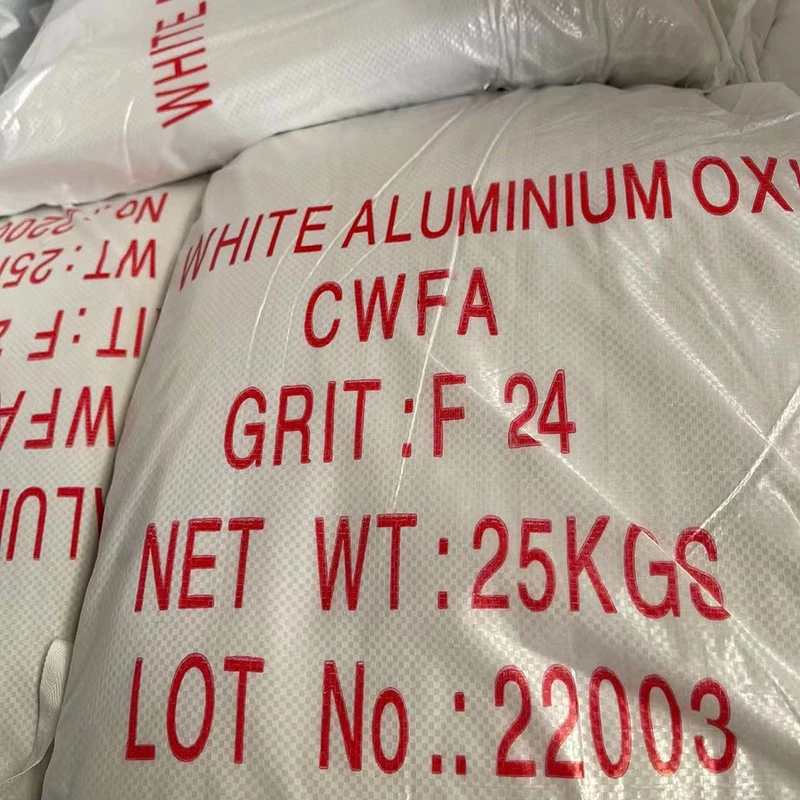
4. Environmental Impact
The production of Pink Fused Alumina has a relatively high environmental impact. As mentioned earlier, the manufacturing process is energy - intensive. The large amount of electricity used often comes from non - renewable energy sources, which contributes to greenhouse gas emissions.
Moreover, the extraction of raw materials for Pink Fused Alumina can also have negative environmental consequences. Mining activities can lead to habitat destruction, soil erosion, and water pollution. For companies that are committed to sustainable manufacturing practices, these environmental concerns associated with Pink Fused Alumina can be a deal - breaker.
They may prefer to use more environmentally friendly alternatives like Coated WFA, which may have a lower carbon footprint during production.
5. Difficulties in Recycling
Recycling Pink Fused Alumina is not an easy task. Due to its specific chemical composition and the way it is used in abrasive applications, it's challenging to separate and reuse the abrasive grains effectively.
After the abrasive tools have been used, the Pink Fused Alumina is often mixed with other materials such as binders and contaminants. These mixtures make the recycling process complex and costly. In many cases, the recycled Pink Fused Alumina may not have the same quality and performance as the virgin material, which further limits its recycling potential.
This lack of efficient recycling options not only adds to the waste generated but also increases the overall cost of using Pink Fused Alumina in the long run.
6. Special Handling Requirements
Pink Fused Alumina requires special handling during storage and transportation. It is sensitive to moisture, and if it gets wet, it can affect the performance of the abrasive. Moisture can cause the abrasive grains to clump together, which makes them less effective during the grinding or polishing process.
During transportation, it needs to be protected from mechanical damage. Any impact or vibration can cause the abrasive grains to break, reducing their quality. These special handling requirements add an extra layer of complexity and cost for users, especially those who need to transport the material over long distances.
Conclusion
So, there you have it - the main disadvantages of using Pink Fused Alumina. Despite these drawbacks, it still has its place in many industries due to its unique properties such as high hardness and good cutting ability. But it's important for potential buyers to be aware of these issues so they can make an informed decision.
If you're still interested in Pink Fused Alumina or want to discuss whether it's the right choice for your specific application, feel free to reach out. We can have a chat and see how we can meet your abrasive needs. Whether you're looking for a cost - effective solution or a high - performance abrasive, I'm here to help. Let's start a conversation and find the best option for your business!
References
- "Abrasive Materials Handbook"
- Industry reports on abrasive manufacturing and applications