

Abrasive grains are the unsung heroes in numerous industrial and manufacturing processes. As a supplier of abrasive grains, I've witnessed firsthand the transformative power these tiny particles possess. In this blog, we'll delve into the cutting ability of abrasive grains, exploring what it is, how it's measured, and the factors that influence it.
What is the Cutting Ability of Abrasive Grains?
The cutting ability of abrasive grains refers to their capacity to remove material from a workpiece during a grinding, cutting, or polishing operation. It's a fundamental characteristic that determines the efficiency and effectiveness of abrasive tools. When an abrasive grain comes into contact with a workpiece, it exerts a force that causes small chips of the workpiece material to be removed. This process is repeated millions of times over, gradually shaping and finishing the workpiece.
To understand the cutting ability better, let's consider a simple analogy. Imagine you're using a piece of sandpaper to smooth a rough wooden surface. The abrasive grains on the sandpaper act like tiny cutting edges. As you rub the sandpaper against the wood, these grains scrape away the rough spots, leaving a smoother finish. The cutting ability of the abrasive grains determines how quickly and effectively you can achieve this smooth surface.
Measuring the Cutting Ability
There are several ways to measure the cutting ability of abrasive grains. One common method is to evaluate the material removal rate (MRR). This is the amount of material removed from the workpiece per unit of time. A higher MRR indicates a more efficient cutting process. To measure MRR, you typically weigh the workpiece before and after the grinding or cutting operation and calculate the difference in weight. Divide this difference by the time taken for the operation, and you get the MRR.
Another important metric is the grinding ratio. This is the ratio of the volume of material removed from the workpiece to the volume of abrasive material worn away during the process. A high grinding ratio means that the abrasive grains are removing a large amount of workpiece material relative to their own wear. This is desirable because it indicates that the abrasive grains are durable and cost - effective.
Factors Influencing the Cutting Ability
Hardness
Hardness is one of the most critical factors affecting the cutting ability of abrasive grains. Harder abrasive grains can penetrate the workpiece material more easily and remove material more effectively. For example, diamond is one of the hardest materials known, and diamond abrasive grains are extremely effective at cutting through hard materials like ceramics and glass. On the other hand, softer abrasive grains may be more suitable for finishing operations on softer materials.
Grain Size
The size of the abrasive grains also plays a significant role. Larger grains generally have a higher cutting ability in terms of material removal rate. They can remove larger chips of material in a single pass. However, larger grains may leave a rougher surface finish. Smaller grains, on the other hand, produce a smoother finish but have a lower material removal rate. The choice of grain size depends on the specific application. For rough grinding, larger grains are preferred, while for fine finishing, smaller grains are used.
Grain Shape
The shape of the abrasive grains can impact their cutting ability. Sharp - edged grains tend to have a better cutting ability as they can more easily penetrate the workpiece material. Rounded grains may be less effective at cutting but can be more suitable for polishing operations. Some abrasive grains are engineered to have specific shapes to optimize their performance in different applications.
Bonding
In abrasive tools, the abrasive grains are held together by a bonding material. The type and quality of the bonding can affect the cutting ability. A strong bond can keep the abrasive grains in place during the cutting process, allowing them to perform effectively. However, if the bond is too strong, it may prevent the worn - out grains from being replaced, leading to a decrease in cutting efficiency. On the other hand, a weak bond may cause the grains to fall out prematurely.
Types of Abrasive Grains and Their Cutting Ability
Green Silicon Carbide
Green Silicon Carbide is a popular choice for many applications. It has excellent hardness and thermal conductivity, which gives it a high cutting ability. Green Silicon Carbide is particularly effective at cutting through non - ferrous metals, ceramics, and glass. Its sharp edges and high hardness allow it to remove material quickly and efficiently.
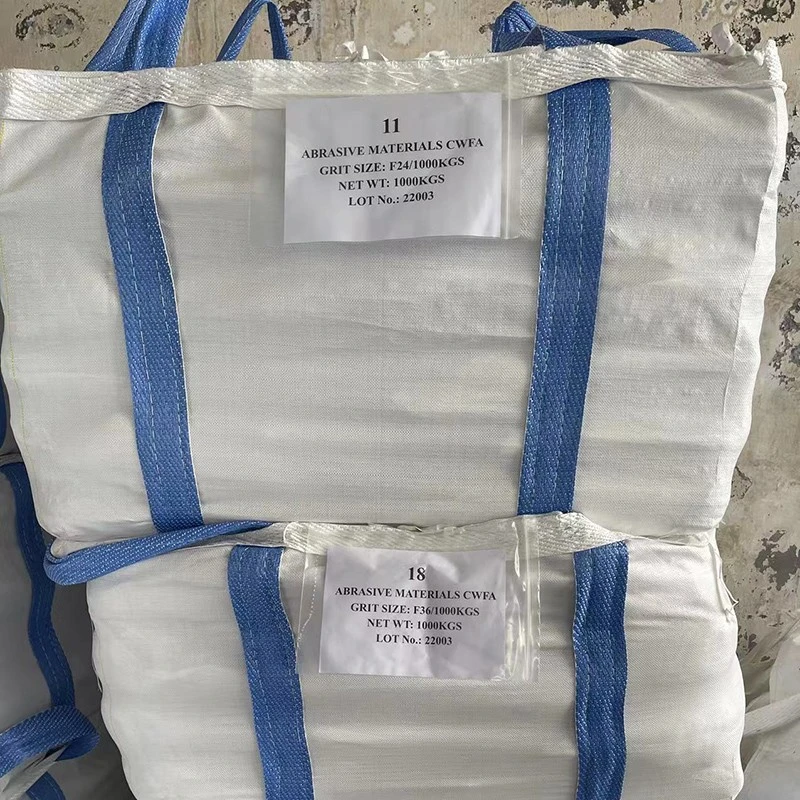
Coated WFA
Coated WFA (White Fused Alumina) abrasive grains offer enhanced cutting performance. The coating on these grains can improve their durability and cutting ability. Coated WFA is often used in applications where a high material removal rate and a good surface finish are required. The coating helps to reduce friction and heat generation, which can extend the life of the abrasive grains and improve the overall cutting process.
Blue Ceramic Abrasive Grains
Blue Ceramic Abrasive Grains are known for their self - sharpening properties. As the grains wear during the cutting process, new sharp edges are exposed, maintaining a high cutting ability over a long period. Blue Ceramic Abrasive Grains are suitable for a wide range of applications, including grinding high - strength steels and alloys.
Why Choose Our Abrasive Grains?
As a supplier of abrasive grains, we take pride in offering high - quality products with excellent cutting ability. Our abrasive grains are carefully manufactured to meet the highest standards of hardness, grain size, and shape. We use advanced production techniques to ensure consistency in quality, which means you can rely on our products for consistent cutting performance.
We also offer a wide range of abrasive grains to suit different applications. Whether you need to cut through hard metals, finish a delicate surface, or perform a high - volume material removal task, we have the right abrasive grains for you. Our team of experts is always available to provide technical support and help you choose the most suitable abrasive grains for your specific needs.
Contact Us for Procurement
If you're in the market for high - quality abrasive grains with outstanding cutting ability, we'd love to hear from you. Whether you're a small workshop or a large manufacturing plant, we can provide you with the right products at competitive prices. Contact us to start a procurement discussion and take your cutting processes to the next level.

References
- Kalpakjian, S., & Schmid, S. R. (2009). Manufacturing Engineering and Technology. Pearson Prentice Hall.
- Trent, E. M., & Wright, P. K. (2000). Metal Cutting. Butterworth - Heinemann.