

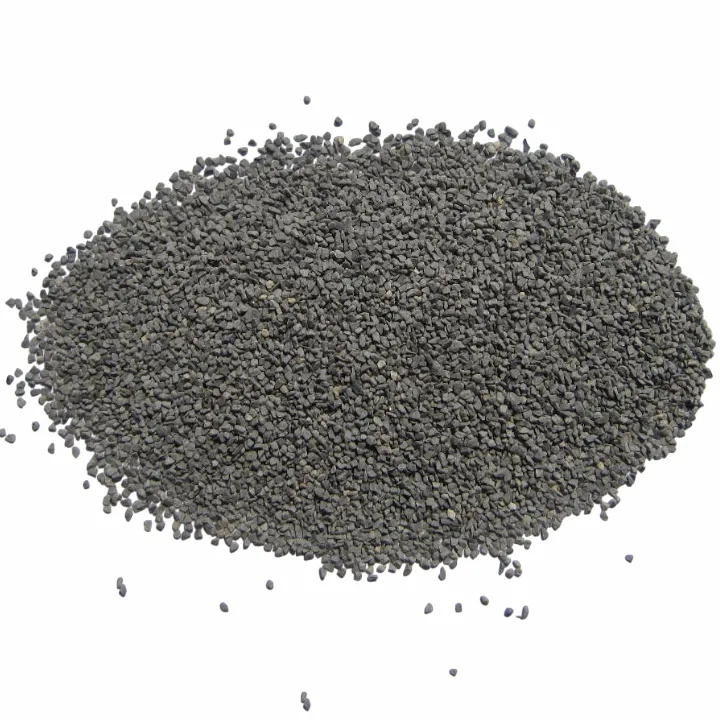
Hey there! As a supplier of Tabular Alumina, I often get asked about the proper storage conditions for this amazing material. So, I thought I'd write this blog to share all the ins and outs of storing Tabular Alumina to keep it in top - notch condition.
Why Storage Conditions Matter
First off, let's talk about why getting the storage right is such a big deal. Tabular Alumina is a high - quality, synthetic abrasive grain that's used in a whole bunch of industries, like abrasives manufacturing, refractories, and even in some advanced ceramics. If it's not stored correctly, its quality can degrade, which means it won't perform as well in these applications. That's a no - no for both you and me!
Ideal Temperature
One of the key factors in storing Tabular Alumina is temperature. You want to keep it in a place where the temperature is relatively stable. Extreme heat or cold can cause some unwanted changes in the material.
For instance, high temperatures can lead to thermal expansion and contraction. Over time, this can make the Tabular Alumina particles crack or break, reducing their effectiveness. On the flip side, very cold temperatures can make the material more brittle.
The ideal temperature range for storing Tabular Alumina is between 10°C and 30°C (50°F and 86°F). This moderate range helps maintain the integrity of the particles and ensures that they'll be in great shape when you're ready to use them.

Humidity Control
Humidity is another important consideration. Tabular Alumina is hygroscopic, which means it can absorb moisture from the air. When it does, it can form clumps or even react chemically in some cases.
Excess moisture can also cause corrosion if the storage containers aren't properly sealed. And once the Tabular Alumina starts to clump, it becomes difficult to handle and may not work as well in your processes.
To prevent this, you should store Tabular Alumina in a low - humidity environment. Aim for a relative humidity of less than 60%. You can use dehumidifiers in the storage area if necessary. And make sure the storage containers are air - tight to keep out any moisture.
Storage Containers
The type of container you use to store Tabular Alumina can make a huge difference. You want something that's durable, sealed, and made of a material that won't react with the alumina.
Steel drums or plastic containers with tight - fitting lids are great options. They protect the material from external elements like dust, dirt, and moisture. Make sure to label the containers clearly with the product name, batch number, and date of storage. This will help you keep track of your inventory and ensure that you're using the oldest stock first.
Protection from Contamination
Tabular Alumina needs to be kept away from contaminants. This includes things like other chemicals, dust from other materials, and even biological contaminants.
If it gets contaminated, it can affect the quality and performance of the Tabular Alumina. For example, if it mixes with other abrasive grains like Zirconia Fused Alumina or Coated WFA during storage, it can change its properties.
To prevent contamination, store Tabular Alumina in a dedicated area. Keep it separate from other materials and make sure the storage area is clean and well - maintained. Regularly sweep or vacuum the area to remove any dust or debris.
Stacking and Handling
When it comes to stacking the storage containers, be careful not to stack them too high. Over - stacking can put too much pressure on the bottom containers, which may cause them to break or deform. This can lead to spills and contamination of the Tabular Alumina.
Also, when handling the containers, use proper lifting equipment. Don't drag or drop them, as this can damage the containers and the material inside. Make sure the people handling the Tabular Alumina are trained on the correct procedures.
Long - Term Storage
If you're planning to store Tabular Alumina for a long time, there are a few extra steps you can take. First, periodically check the containers for any signs of damage or leakage. If you notice any issues, transfer the material to a new, undamaged container right away.
You can also do some quality checks on the Tabular Alumina every few months. This can include checking the particle size distribution, hardness, and chemical composition. This way, you can catch any potential problems early and take corrective action.
Conclusion
In conclusion, proper storage of Tabular Alumina is crucial to maintain its quality and performance. By controlling the temperature, humidity, using the right containers, protecting it from contamination, and handling it correctly, you can ensure that your Tabular Alumina will be in great condition when you need it.
If you're in the market for high - quality Tabular Alumina or have any questions about storage or usage, don't hesitate to reach out. We're here to help you get the most out of this fantastic material. Whether you're in the abrasives, refractories, or ceramics industry, we've got the right Tabular Alumina for your needs. Let's start a conversation and see how we can work together to meet your requirements.
References
- Material safety data sheets for Tabular Alumina
- Industry best practices for storing abrasive grains