

When it comes to abrasive tools, WA Flap Discs are a popular choice for many industrial and DIY applications. As a WA Flap Disc supplier, I often get asked about the difference between coarse and fine grit WA Flap Discs. In this blog post, I'll explain the key differences between these two types of flap discs and help you determine which one is right for your specific needs.
Understanding Grit Size
Before we dive into the differences between coarse and fine grit WA Flap Discs, it's important to understand what grit size means. Grit size refers to the size of the abrasive particles on the flap disc. The lower the grit number, the larger the abrasive particles, and the coarser the disc. Conversely, the higher the grit number, the smaller the abrasive particles, and the finer the disc.
Coarse Grit WA Flap Discs
Coarse grit WA Flap Discs typically have a grit size ranging from 16 to 60. These discs are designed for heavy material removal, such as grinding down welds, removing rust or paint, and shaping metal. Here are some of the key characteristics of coarse grit WA Flap Discs:
- Fast Material Removal: Coarse grit discs have large abrasive particles that can quickly cut through tough materials. This makes them ideal for tasks that require rapid material removal, such as preparing a surface for welding or smoothing out rough edges.
- Aggressive Cutting Action: The large abrasive particles on coarse grit discs create an aggressive cutting action, which can be beneficial for working on hard materials like stainless steel or cast iron. However, this aggressive action can also cause more surface damage, so it's important to use these discs with care.
- Shorter Lifespan: Because coarse grit discs are designed for heavy material removal, they tend to wear out more quickly than fine grit discs. This means you may need to replace them more frequently, especially if you're working on large projects.
Fine Grit WA Flap Discs
Fine grit WA Flap Discs typically have a grit size ranging from 80 to 220. These discs are designed for finishing and polishing applications, such as blending welds, removing scratches, and achieving a smooth surface finish. Here are some of the key characteristics of fine grit WA Flap Discs:
- Smooth Surface Finish: Fine grit discs have small abrasive particles that can create a smooth, polished surface. This makes them ideal for tasks that require a high-quality finish, such as automotive bodywork or furniture making.
- Less Aggressive Cutting Action: The small abrasive particles on fine grit discs create a less aggressive cutting action, which helps to minimize surface damage. This makes them suitable for working on delicate materials or surfaces that require a more precise finish.
- Longer Lifespan: Because fine grit discs are designed for finishing and polishing, they tend to wear out more slowly than coarse grit discs. This means you can use them for longer periods of time, which can save you money in the long run.
Choosing the Right Grit Size
The choice between a coarse and fine grit WA Flap Disc depends on the specific application and the material you're working with. Here are some general guidelines to help you choose the right grit size:
- Heavy Material Removal: If you need to remove a large amount of material quickly, such as grinding down a thick weld or removing rust from a metal surface, a coarse grit WA Flap Disc (16 - 60 grit) is the best choice.
- Intermediate Material Removal and Blending: If you need to remove some material and blend the surface, but also want to achieve a relatively smooth finish, a medium grit WA Flap Disc (80 - 120 grit) is a good option.
- Finishing and Polishing: If you're looking to achieve a smooth, polished surface, a fine grit WA Flap Disc (150 - 220 grit) is the way to go.
It's also important to note that you may need to use multiple grit sizes to achieve the desired finish. For example, you might start with a coarse grit disc to remove the bulk of the material, then switch to a medium grit disc to blend the surface, and finally use a fine grit disc to polish the surface.
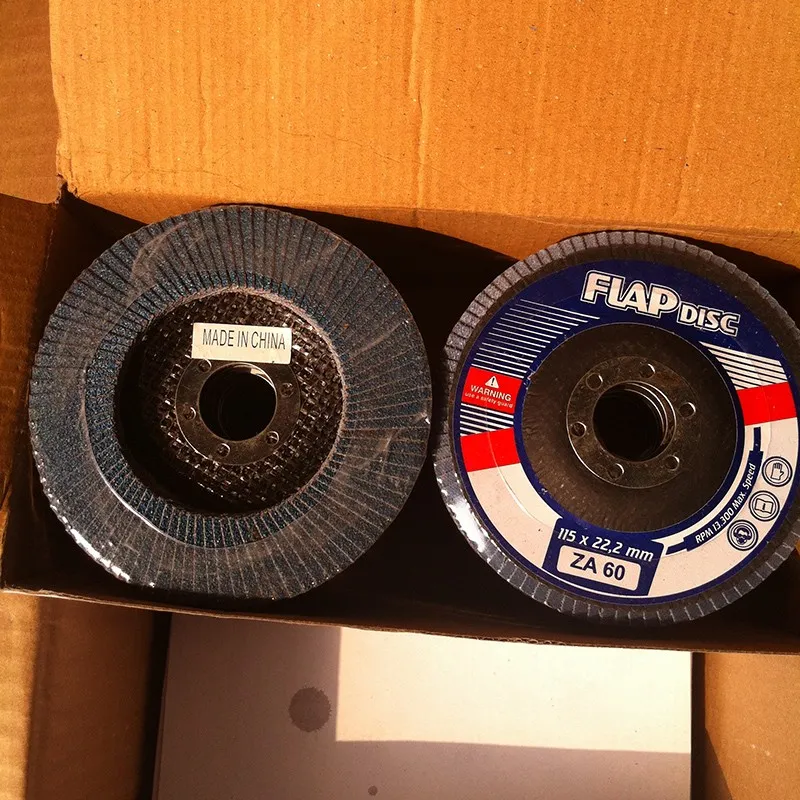
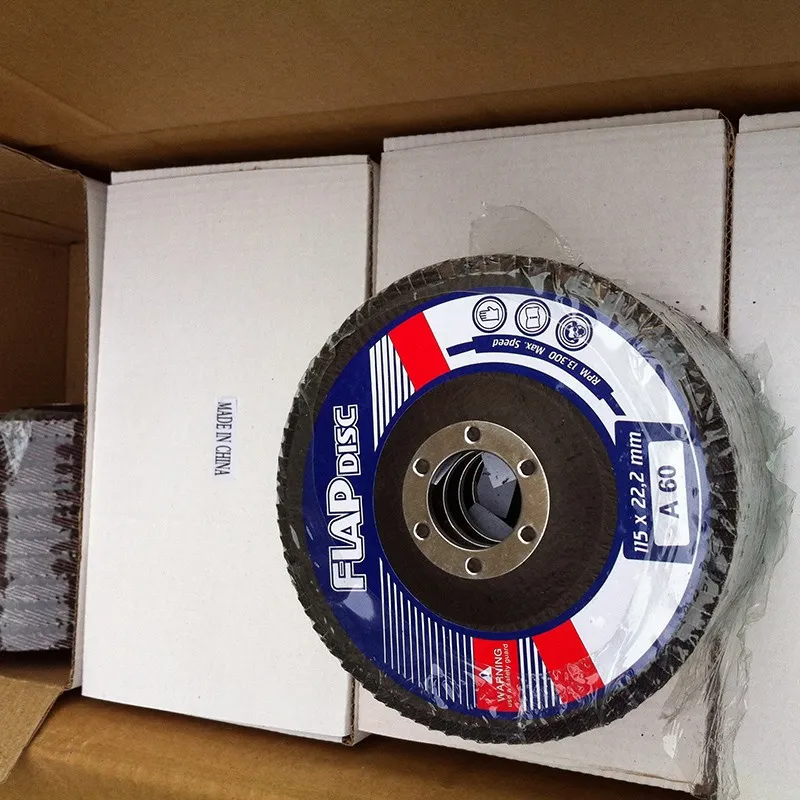
Other Types of Flap Discs
In addition to WA Flap Discs, there are other types of flap discs available on the market, each with its own unique characteristics and applications. Here are a few examples:
- Zirconia Fused Alumina Flap Disc: Zirconia fused alumina flap discs are known for their high durability and long lifespan. They are suitable for heavy-duty applications, such as grinding and shaping hard metals like steel and stainless steel.
- Ceramic Flap Disc: Ceramic flap discs are designed for high-speed cutting and material removal. They have a self-sharpening effect, which means they can maintain their cutting performance for longer periods of time. Ceramic flap discs are ideal for working on tough materials like titanium and nickel alloys.
Conclusion
In conclusion, the difference between a coarse and fine grit WA Flap Disc lies in their grit size, cutting action, and intended applications. Coarse grit discs are designed for heavy material removal, while fine grit discs are used for finishing and polishing. By understanding these differences and choosing the right grit size for your specific needs, you can achieve the best results and maximize the performance of your WA Flap Discs.
If you're in the market for high-quality WA Flap Discs or other abrasive tools, I encourage you to contact us to discuss your requirements. Our team of experts can help you select the right products for your applications and provide you with competitive pricing and excellent customer service.
References
- Abrasive Engineering Handbook. (Publisher, Year)
- Industrial Abrasives: A Comprehensive Guide. (Publisher, Year)