

What is the vibration level when using a cup grinding wheel?
As a seasoned supplier of Cup Grinding Wheels, I've witnessed firsthand the critical role that vibration levels play in the performance and safety of these essential tools. In this blog post, I'll delve into the concept of vibration levels when using a cup grinding wheel, explore the factors that influence them, and discuss the implications for users.
Understanding Vibration in Cup Grinding Wheels
Vibration is an inherent characteristic of any rotating tool, and cup grinding wheels are no exception. When a cup grinding wheel is in operation, it rotates at high speeds, causing the wheel to vibrate. These vibrations can have a significant impact on the quality of the grinding process, the lifespan of the wheel, and the safety of the operator.
The vibration level of a cup grinding wheel is typically measured in terms of amplitude and frequency. Amplitude refers to the maximum displacement of the wheel from its equilibrium position, while frequency refers to the number of vibrations per unit of time. High amplitude vibrations can cause the wheel to chatter, resulting in a poor surface finish on the workpiece and increased wear on the wheel. High frequency vibrations, on the other hand, can cause discomfort and fatigue for the operator, and may even lead to long-term health problems such as hand-arm vibration syndrome (HAVS).
Factors Affecting Vibration Levels
Several factors can influence the vibration level of a cup grinding wheel. Understanding these factors is crucial for minimizing vibration and ensuring optimal performance.
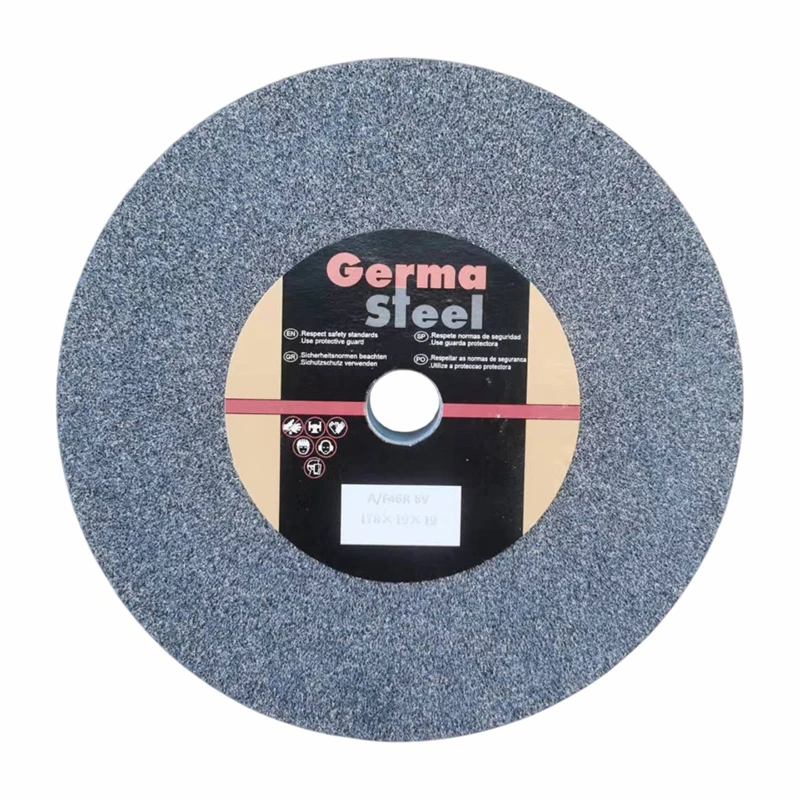

- Wheel Balance: One of the most important factors affecting vibration levels is the balance of the cup grinding wheel. A wheel that is not properly balanced will create uneven forces as it rotates, leading to increased vibration. To ensure proper balance, the wheel should be inspected and balanced before use. This can be done using a wheel balancing machine, which measures the distribution of mass around the wheel and allows for adjustments to be made.
- Wheel Mounting: The way the cup grinding wheel is mounted on the grinder can also have a significant impact on vibration levels. A loose or misaligned wheel can cause excessive vibration, so it's important to ensure that the wheel is securely mounted and properly aligned. This may involve using the correct mounting hardware and following the manufacturer's instructions for installation.
- Grinding Parameters: The grinding parameters, such as the speed, feed rate, and depth of cut, can also affect vibration levels. Operating the grinder at too high a speed or applying too much pressure can cause the wheel to vibrate excessively. It's important to select the appropriate grinding parameters based on the type of workpiece, the material being ground, and the specifications of the cup grinding wheel.
- Wheel Condition: The condition of the cup grinding wheel itself can also influence vibration levels. A worn or damaged wheel may not rotate smoothly, leading to increased vibration. Regular inspection and maintenance of the wheel, including dressing and truing, can help to ensure that it remains in good condition and reduces vibration.
- Machine Condition: The condition of the grinder itself can also play a role in vibration levels. A poorly maintained or worn-out grinder may not provide a stable platform for the cup grinding wheel, resulting in increased vibration. Regular maintenance and servicing of the grinder, including checking the bearings, belts, and other components, can help to ensure that it operates smoothly and reduces vibration.
Implications of High Vibration Levels
High vibration levels when using a cup grinding wheel can have several negative implications, both for the quality of the grinding process and the safety of the operator.
- Poor Surface Finish: Excessive vibration can cause the wheel to chatter, resulting in a rough or uneven surface finish on the workpiece. This can be particularly problematic in applications where a high-quality finish is required, such as in the aerospace or automotive industries.
- Increased Wheel Wear: High vibration levels can also cause increased wear on the cup grinding wheel. The uneven forces created by the vibration can cause the wheel to wear unevenly, reducing its lifespan and increasing the frequency of wheel changes.
- Operator Fatigue and Health Risks: Prolonged exposure to high vibration levels can cause discomfort and fatigue for the operator. In addition, it can also lead to long-term health problems such as hand-arm vibration syndrome (HAVS), which is a progressive condition that can cause numbness, tingling, and loss of strength in the hands and arms.
- Safety Hazards: Excessive vibration can also pose a safety hazard. It can cause the wheel to become loose or dislodged from the grinder, which can result in serious injury to the operator or damage to the workpiece.
Measuring and Monitoring Vibration Levels
To ensure that the vibration levels when using a cup grinding wheel are within acceptable limits, it's important to measure and monitor them regularly. There are several methods available for measuring vibration, including handheld vibration meters and online monitoring systems.
Handheld vibration meters are portable devices that can be used to measure the vibration levels of the cup grinding wheel and the grinder. They typically provide a quick and easy way to assess the vibration levels and identify any potential problems. Online monitoring systems, on the other hand, are more sophisticated and can provide continuous monitoring of the vibration levels over time. They can also be used to detect trends and predict potential problems before they occur.
Minimizing Vibration Levels
To minimize vibration levels when using a cup grinding wheel, it's important to take a proactive approach to maintenance and operation. Here are some tips to help reduce vibration:
- Balance the Wheel: Ensure that the cup grinding wheel is properly balanced before use. This can help to reduce the uneven forces that cause vibration.
- Mount the Wheel Correctly: Make sure that the wheel is securely mounted and properly aligned on the grinder. This can help to prevent excessive vibration caused by a loose or misaligned wheel.
- Select the Appropriate Grinding Parameters: Choose the appropriate grinding parameters based on the type of workpiece, the material being ground, and the specifications of the cup grinding wheel. This can help to ensure that the wheel operates smoothly and reduces vibration.
- Maintain the Wheel and Grinder: Regularly inspect and maintain the cup grinding wheel and the grinder. This can help to ensure that they remain in good condition and reduce vibration.
- Use Anti-Vibration Tools and Accessories: Consider using anti-vibration tools and accessories, such as vibration-dampening gloves or mounts, to reduce the impact of vibration on the operator.
Conclusion
In conclusion, the vibration level when using a cup grinding wheel is an important factor that can have a significant impact on the quality of the grinding process, the lifespan of the wheel, and the safety of the operator. By understanding the factors that affect vibration levels and taking steps to minimize them, users can ensure optimal performance and reduce the risk of vibration-related problems.
If you're in the market for a high-quality cup grinding wheel or need more information about vibration levels and how to minimize them, please don't hesitate to [contact us for a detailed consultation]. We're a leading supplier of Cup Grinding Wheel, Rubber Grinding Wheel, and Brown Fused Alumina Grinding Wheel, and we're committed to providing our customers with the best products and services.
References
- ISO 5349-1:2001, Mechanical vibration - Measurement and evaluation of human exposure to hand-transmitted vibration - Part 1: General requirements.
- OSHA Technical Manual (OTM), Section III, Chapter 5: Hand-Arm Vibration Syndrome.
- ANSI B7.1-2000, Safety Standard for the Use, Care, and Protection of Abrasive Wheels.