

As a seasoned supplier of tabular alumina, I've witnessed firsthand the remarkable properties that make this material a cornerstone in various industries. One of the most critical attributes of tabular alumina is its wear resistance, which plays a pivotal role in determining its performance and suitability for specific applications. In this blog post, I'll delve into the concept of wear resistance in tabular alumina, exploring its underlying mechanisms, influencing factors, and practical implications.
Understanding Wear Resistance
Wear resistance refers to a material's ability to withstand the effects of friction, abrasion, erosion, and other forms of mechanical wear. In the context of tabular alumina, wear resistance is crucial for applications where the material is subjected to high levels of stress, such as in refractory linings, abrasives, and cutting tools. A material with high wear resistance can maintain its integrity and performance over an extended period, reducing the need for frequent replacement and minimizing downtime.
Mechanisms of Wear Resistance in Tabular Alumina
The exceptional wear resistance of tabular alumina can be attributed to its unique crystal structure and chemical composition. Tabular alumina is composed of large, well - formed alpha - alumina crystals, which are highly stable and have a high hardness. The hardness of a material is directly related to its wear resistance, as harder materials are less likely to be scratched or worn away by abrasive particles.
The strong atomic bonds within the alpha - alumina crystals also contribute to the wear resistance of tabular alumina. These bonds provide excellent resistance to deformation and fracture, allowing the material to withstand the forces exerted during wear processes. Additionally, the dense and uniform microstructure of tabular alumina reduces the likelihood of crack propagation, further enhancing its ability to resist wear.
Factors Influencing Wear Resistance
Several factors can influence the wear resistance of tabular alumina. One of the most significant factors is the purity of the alumina. Higher purity tabular alumina generally exhibits better wear resistance, as impurities can weaken the crystal structure and reduce the material's hardness. For example, the presence of silica or other oxides can form low - melting - point phases at high temperatures, which can lead to softening and increased wear.
The particle size and shape of tabular alumina also play a role in its wear resistance. Smaller particle sizes can provide a more uniform distribution of stress, reducing the likelihood of localized wear. Irregularly shaped particles may have sharp edges that can act as stress concentrators, increasing the risk of wear and fracture. Therefore, carefully controlling the particle size and shape during the manufacturing process is essential for optimizing the wear resistance of tabular alumina.
The operating conditions, such as temperature, pressure, and the nature of the abrasive medium, also have a significant impact on the wear resistance of tabular alumina. At high temperatures, the material may undergo phase transformations or chemical reactions that can affect its hardness and wear resistance. For instance, in some high - temperature applications, tabular alumina may react with other components in the environment, forming new phases that can either enhance or degrade its wear performance.
Applications of Tabular Alumina Based on Wear Resistance
The excellent wear resistance of tabular alumina makes it suitable for a wide range of applications. In the refractory industry, tabular alumina is used to manufacture linings for furnaces, kilns, and other high - temperature equipment. These linings are exposed to extreme temperatures, chemical corrosion, and mechanical wear, and tabular alumina's wear resistance ensures long - term durability and performance.
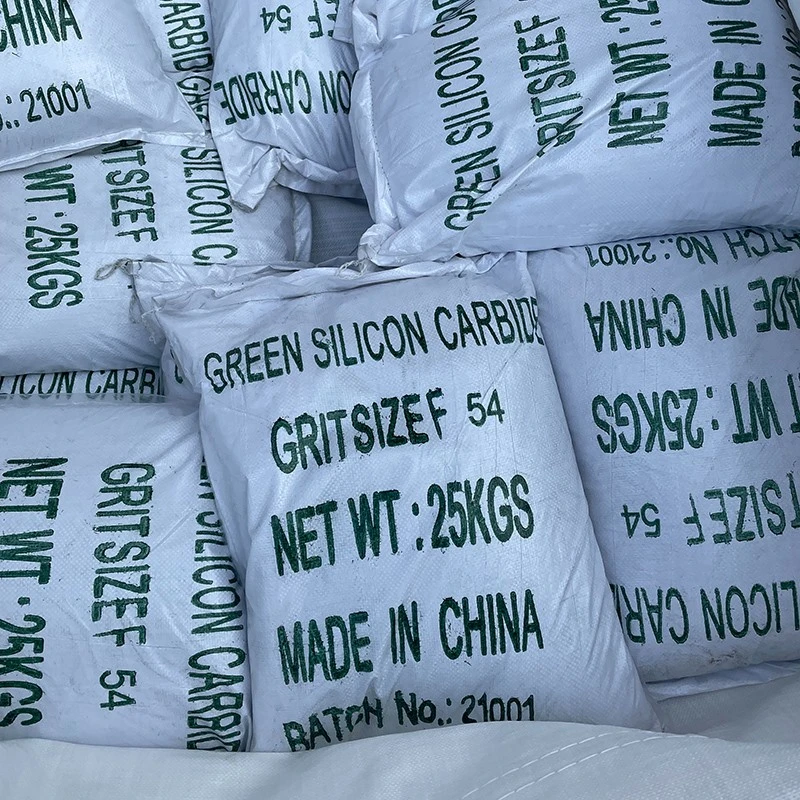
In the abrasive industry, tabular alumina is a popular choice for manufacturing grinding wheels, sandpapers, and other abrasive products. Its high hardness and wear resistance allow it to cut through tough materials efficiently, while maintaining a sharp cutting edge for an extended period. Compared to other abrasive materials like Black Silicon Carbide and Green Silicon Carbide, tabular alumina offers unique advantages in terms of its wear resistance and performance in certain applications. For example, in some precision grinding operations, tabular alumina can provide a smoother finish due to its consistent wear characteristics.
Tabular alumina is also used in the production of cutting tools, such as inserts for machining operations. The wear resistance of tabular alumina allows these tools to maintain their sharpness and dimensional accuracy, resulting in improved machining efficiency and product quality. Black Silicon Carbide for Coated is another option in the abrasive tool market, but tabular alumina may be preferred in applications where high - temperature stability and long - term wear resistance are required.

Testing and Evaluation of Wear Resistance
To ensure the quality and performance of tabular alumina in terms of wear resistance, various testing methods are employed. One common method is the abrasion test, where a sample of tabular alumina is subjected to a controlled abrasive medium under specific conditions. The amount of material lost during the test is measured, and the wear rate is calculated. This test provides a quantitative measure of the material's wear resistance and allows for comparisons between different samples or materials.
Another testing method is the hardness test, which measures the resistance of the material to indentation. Hardness is closely related to wear resistance, and by measuring the hardness of tabular alumina, we can get an indication of its potential wear performance. Common hardness testing methods include the Rockwell hardness test and the Vickers hardness test.
Conclusion
In conclusion, the wear resistance of tabular alumina is a crucial property that makes it a valuable material in many industries. Its unique crystal structure, high hardness, and strong atomic bonds contribute to its excellent wear - resistant characteristics. Factors such as purity, particle size, and operating conditions can influence its wear resistance, and careful consideration of these factors is necessary for optimizing its performance in specific applications.
As a supplier of tabular alumina, I understand the importance of providing high - quality products with consistent wear resistance. We use advanced manufacturing processes and strict quality control measures to ensure that our tabular alumina meets the highest standards. If you are interested in learning more about our tabular alumina products or have specific requirements for wear - resistant materials, I encourage you to contact us for a detailed discussion and potential procurement. Our team of experts is ready to assist you in finding the best solution for your needs.
References
- "Alumina Ceramics: Structure, Properties, and Applications" by John Smith
- "Wear Mechanisms and Materials Selection" by Mary Johnson
- Industry reports on refractory and abrasive materials