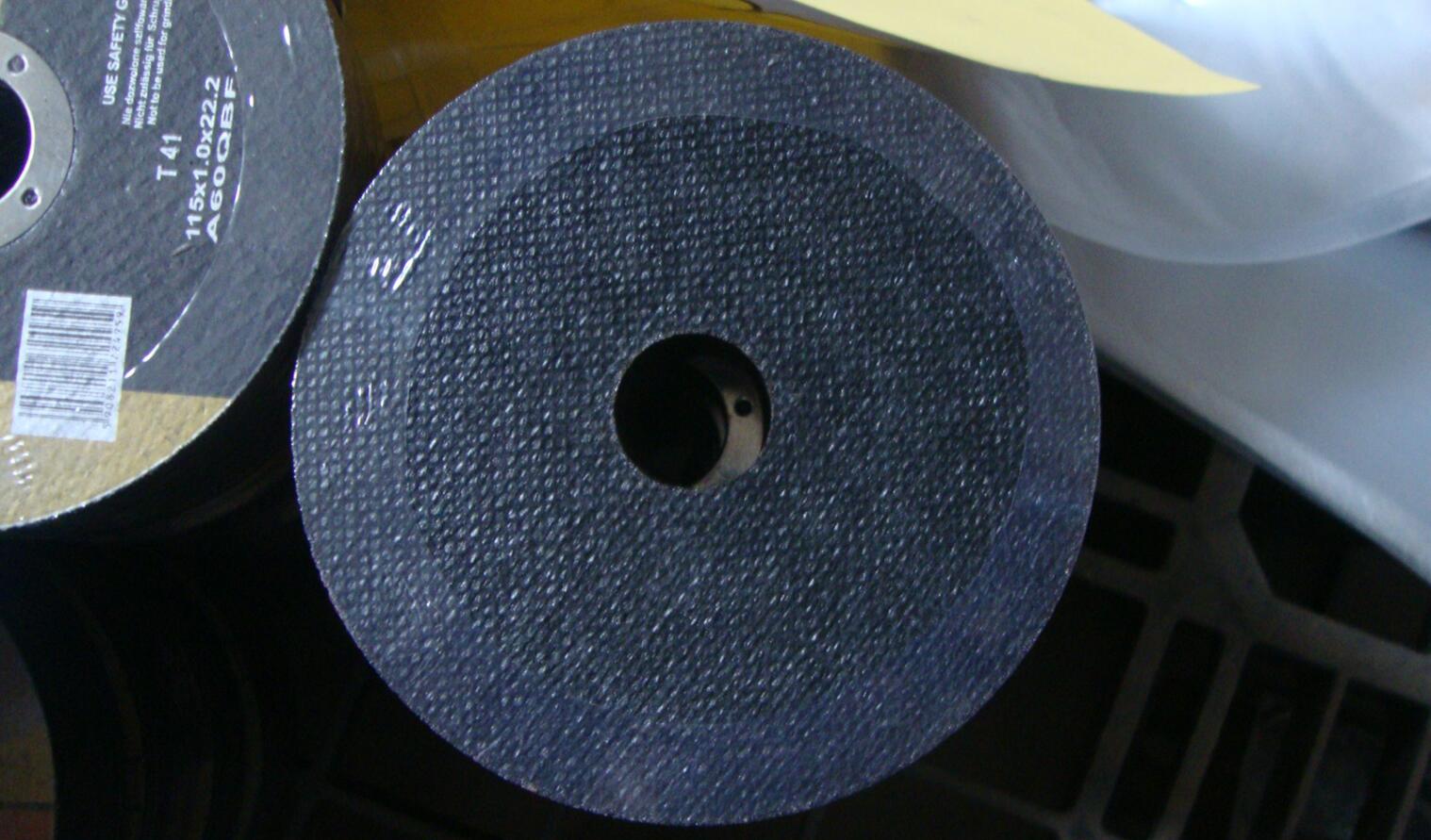
Applications of Cutting Wheels in the Stainless Steel Processing Industry
Stainless steel, known for its high hardness, corrosion resistance, and toughness, poses unique challenges in cutting. Ordinary cutting tools often struggle with low efficiency, rapid wear, or surface damage to workpieces. Thus, stainless steel-specific cutting wheels have become indispensable core tools in the industry, widely applied across multiple processing links due to their targeted design for stainless steel's properties.
Key Application Scenarios
Metal Fabrication and Component Processing
This is the most common application scenario. Cutting wheels are used to cut stainless steel raw materials (such as sheets, pipes, and profiles) into specified sizes and shapes for subsequent processes like welding, bending, or drilling. For example, in manufacturing stainless steel tanks, valves, or hardware parts, cutting wheels ensure clean, burr-free cuts-critical for maintaining the material's corrosion resistance and assembly precision.
Construction and Decoration Industry
In architectural projects, stainless steel is widely used for handrails, curtain wall frames, and decorative panels. Cutting wheels enable on-site or pre-factory cutting of long stainless steel pipes or large sheets into custom lengths and designs. Their portability (when paired with handheld angle grinders) and fast cutting speed make them ideal for meeting the industry's diverse and flexible design requirements.
Automotive and Aerospace Manufacturing
High-grade stainless steel (e.g., 316L) is used in automotive exhaust systems, aircraft structural parts, and fuel tanks due to its heat and corrosion resistance. Here, cutting wheels must meet strict precision standards-they cut thin-walled stainless steel components without causing deformation or micro-cracks, ensuring the safety and durability of end products.
Critical Considerations for Selection and Use
To maximize performance, users must focus on three key factors when choosing cutting wheels:
Abrasive Material: White fused alumina or silicon carbide-based wheels are preferred for stainless steel, as they resist clogging (a common issue with soft metals) and maintain sharpness longer.
Wheel Size and Thickness: Matching the wheel size to the cutting equipment (e.g., bench grinders vs. handheld tools) ensures stability, while thinner wheels reduce material waste and improve cutting accuracy.
Safety Compliance: Wheels must meet international standards (e.g., ANSI or EN) to prevent fragmentation during high-speed operation, protecting operators and workpieces.
Industry Trends
With the rising demand for high-efficiency and eco-friendly processing, modern stainless steel cutting wheels are evolving toward low-dust, low-noise designs and longer service lives. This not only enhances production efficiency but also aligns with global environmental and occupational health regulations, solidifying their role as a foundational tool in the stainless steel processing industry.