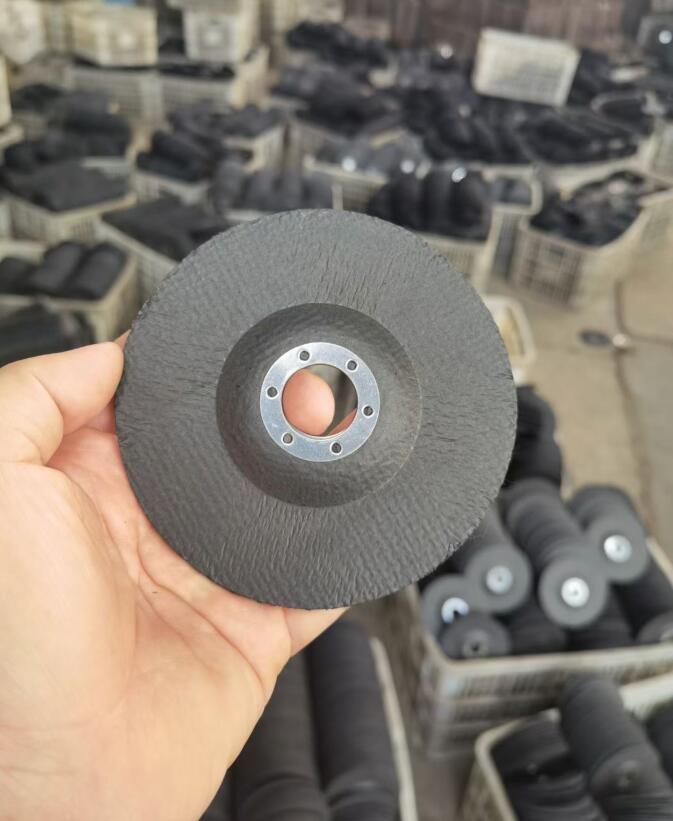
A fiberglass backing plate may look like a simple component, but its quality can influence the manufacturing consistency of flap discs and other compatible abrasive tools. A small dimensional deviation, unsuitable bonding surface, or inconsistent batch can create problems that are much more expensive than the original price difference. For abrasive tool manufacturers, the challenge is not simply finding a low-cost product. It is finding a backing plate that fits the production process, meets the required specifications, and remains consistent across repeat orders. Before placing your next bulk order, here are six practical quality checks worth including in your purchasing process.
Verify Dimensions Before Testing Anything Else
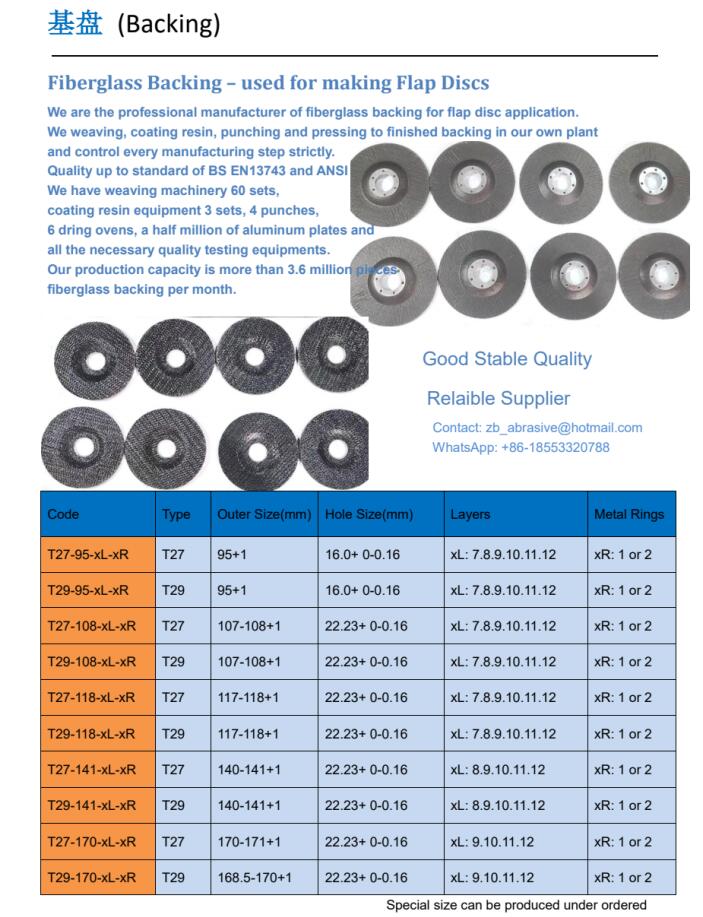
Dimensional accuracy is the first checkpoint when evaluating a fiberglass backing plate. The outside diameter, bore size, thickness, and overall profile should match the technical drawing or approved sample. If these dimensions are inconsistent, operators may experience fitting difficulties, additional adjustments, or increased rejection rates during assembly. Do not rely only on a product name or a general size description. Two plates with similar dimensions may still differ in profile or other design details. Buying tip: Provide your supplier with a technical drawing or an approved reference sample. Ask which dimensions are controlled during production and how conformity is verified.
Examine the Surface for Bonding Compatibility
For flap disc production, the backing plate must be compatible with the adhesive and assembly process used by the manufacturer. A surface that differs from the approved specification may affect bonding behavior. However, visual appearance alone cannot prove that a plate will bond correctly. Instead of judging quality only by color or surface texture, test the plate using your actual adhesive, abrasive flaps, and production conditions. Record the results and compare them with your existing approved product. This provides a more reliable basis for deciding whether a new supplier's plate is suitable.
Look Beyond Thickness When Assessing Strength
A common purchasing mistake is assuming that a thicker plate is automatically a better plate. In reality, structural performance depends on several factors, including material composition, reinforcement structure, manufacturing quality, and the requirements of the finished tool. An unsuitable plate may fail to meet the needs of the intended application even if its thickness appears acceptable. When evaluating a fiberglass backing plate for flap discs, clarify the required structural characteristics with the manufacturer of the finished abrasive tool. Any performance testing should follow the applicable product specifications and safety requirements.
Compare Batch Consistency, Not Just One Sample
A sample can demonstrate that a product is promising, but it cannot establish that every future shipment will be identical. This distinction matters for factories operating continuous or high-volume production lines. If dimensions or other important properties fluctuate between batches, a specification that worked well during initial testing may become less reliable in later production. Before approving a supplier, consider checking samples from more than one production batch when practical. You can establish an internal record covering: Dimensional measurements; Surface and edge condition; Assembly performance; Bonding test results; Batch identification; Inspection and acceptance decisions; These records help your purchasing and production teams make decisions based on evidence rather than assumptions.
Evaluate the Supplier's Ability to Support Repeat Orders
A supplier's responsibility does not end with delivering the first shipment. For manufacturers and distributors, a dependable supply arrangement should include clear specifications, agreed packaging, traceable batches, and a practical process for handling quality concerns. When comparing a fiberglass backing plate supplier, ask the following questions: Can the supplier manufacture according to your drawing or approved sample? Can the agreed specifications be maintained across repeat orders? Are packaging and labeling requirements clearly defined? Can the supplier identify the relevant production batch? How are specification changes communicated? What information is available if a quality issue occurs? Clear answers help buyers distinguish a supplier capable of supporting long-term production from one focused mainly on completing an individual order.
Calculate the Cost of Quality Problems
The cheapest quotation is not necessarily the most economical choice. Suppose one backing plate costs slightly less but results in more inspection, slower assembly, or additional rejected products. Those extra expenses can reduce or eliminate the initial purchasing savings. A more useful comparison considers the total cost of obtaining acceptable finished products. Total purchasing cost includes: Purchase price; Incoming inspection costs; Handling and storage expenses; Production adjustments; Scrap and rework; Delivery-related costs; Not every supplier will create these additional expenses, and the actual impact depends on your production process. The key is to compare equivalent specifications and use real production data whenever possible.
A Practical Approval Process for New Suppliers
Rather than moving directly from quotation to a large purchase, use a simple three-stage process.
Specification review
Confirm dimensions, product design, intended application, packaging, and acceptance criteria.
Sample evaluation
Test the sample under representative manufacturing conditions. Record the results against your existing product or internal requirements.
Order confirmation
After approval, document the agreed specification, quantity, packaging, batch identification requirements, and delivery terms. For critical applications, consider inspecting the first production batch before expanding the order volume. This process gives purchasing teams a clearer basis for approving new products while reducing avoidable uncertainty.
Final Thoughts: Make Quality Part of Your Purchasing Strategy
Choosing a fiberglass backing plate should involve more than checking a diameter and comparing quotations. Dimensional accuracy, bonding compatibility, structural requirements, batch consistency, and supplier communication all contribute to a successful purchasing decision. For flap disc manufacturers and other compatible abrasive tool producers, a structured approval process can help identify potential problems before they affect large production runs. Master Abrasive supplies fiberglass backing plates for flap disc manufacturers, distributors, and other industrial buyers. If you are evaluating a new specification or looking for a reliable supply option, share your required dimensions, application, estimated quantity, and technical drawing if available. Contact Master Abrasive to discuss your backing plate requirements and request a quotation based on your production needs.