

Hey there! As a tabular alumina supplier, I often get asked about the fracture toughness of tabular alumina. So, let's dive right into it and explore what fracture toughness is all about when it comes to this amazing material.
First off, let's understand what fracture toughness means in general. Fracture toughness is a measure of a material's ability to resist the propagation of cracks. In simpler terms, it tells us how well a material can hold up when there's a crack in it and prevent that crack from getting bigger and causing the material to break. It's a super important property, especially in applications where the material might be subjected to stress or impact.
Now, tabular alumina is a type of high - purity alumina that's made through a unique calcination process. This process gives tabular alumina some really cool properties, and fracture toughness is one of them. Tabular alumina has a dense, tabular - shaped crystal structure. This structure plays a huge role in its fracture toughness. The tabular crystals are kind of like little building blocks that are tightly packed together. When a crack starts to form in the material, these tabular crystals can act as barriers to stop the crack from spreading.
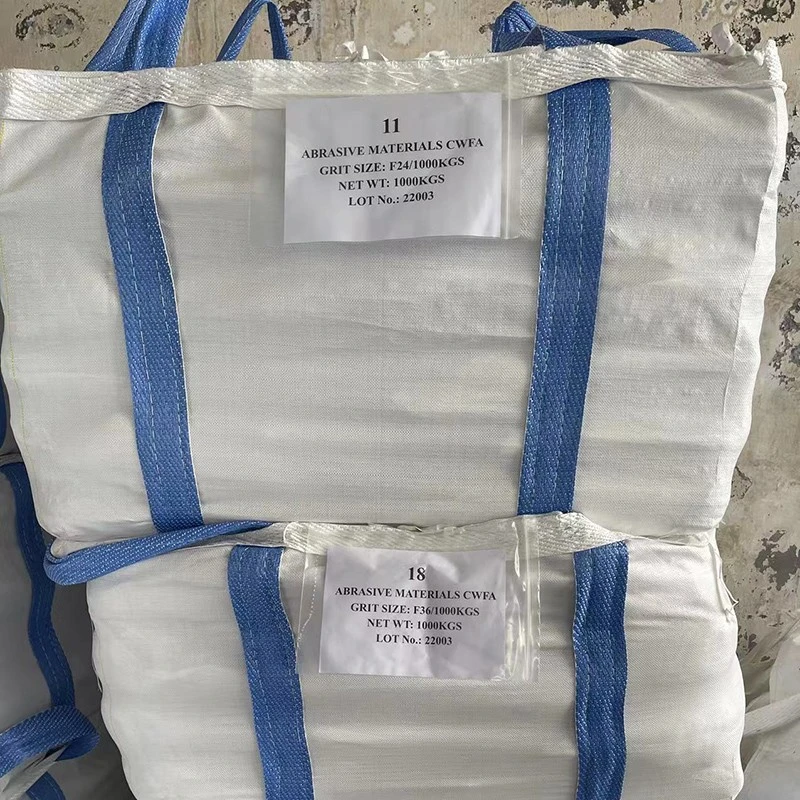

One of the reasons why the fracture toughness of tabular alumina is so important is its wide range of applications. For example, in the refractory industry, tabular alumina is used to make refractory bricks and linings for furnaces. These furnaces operate at extremely high temperatures and are often exposed to mechanical stress. If the refractory material doesn't have good fracture toughness, cracks can form easily, leading to a decrease in the performance of the furnace and even potential safety hazards. With tabular alumina's high fracture toughness, the refractory lining can withstand the thermal and mechanical stresses for a longer period of time, increasing the lifespan of the furnace.
Another area where the fracture toughness of tabular alumina shines is in the manufacturing of abrasives. Abrasive products made with tabular alumina, like grinding wheels and sandpaper, need to be able to endure the high pressures and forces involved in the grinding and polishing processes. A tabular alumina with high fracture toughness won't break down easily during these processes. It can maintain its shape and cutting ability for a longer time, which means better performance and less frequent replacement of the abrasive products.
When we compare tabular alumina with other abrasive materials, its fracture toughness gives it an edge. Take Zirconia Fused Alumina for example. While zirconia fused alumina also has some good abrasive properties, tabular alumina's fracture toughness can make it more durable in certain applications. The tabular structure of tabular alumina allows it to resist breakage better than some other materials under high - stress conditions.
Similarly, if we look at Black Silicon Carbide, it's a well - known abrasive material. But in applications where crack resistance is crucial, tabular alumina's fracture toughness can be a deciding factor. Black silicon carbide might be more brittle in some situations, while tabular alumina can hold up better to the forces that could cause cracking.
And then there's Coated WFA. Coated WFA has its own set of advantages, but tabular alumina's unique fracture toughness can make it a more suitable choice in applications where long - term durability against cracking is needed.
Now, how do we measure the fracture toughness of tabular alumina? There are several methods out there. One common method is the indentation fracture method. In this method, a small indent is made on the surface of the tabular alumina sample using a hard indenter, like a diamond. The cracks that form around the indent are then measured, and based on these measurements, the fracture toughness of the material can be calculated. Another method is the single - edge notched beam (SENB) test. In the SENB test, a sample of tabular alumina is machined into a beam with a pre - cut notch. The beam is then loaded until it breaks, and the fracture toughness is determined from the load and the dimensions of the sample.
As a tabular alumina supplier, I know that different customers have different requirements for fracture toughness. Some might need a tabular alumina with extremely high fracture toughness for heavy - duty applications, while others might be able to use a grade with slightly lower fracture toughness for less demanding applications. That's why we offer a range of tabular alumina products with different levels of fracture toughness. We work closely with our customers to understand their specific needs and then recommend the right product for them.
If you're in the market for tabular alumina and want to discuss your specific requirements for fracture toughness or any other properties, don't hesitate to reach out. We're here to help you find the perfect tabular alumina solution for your business. Whether it's for refractory applications, abrasive manufacturing, or any other use, we've got the expertise and the products to meet your needs.
References
- Some basic materials science textbooks on high - temperature ceramics and abrasives for understanding the concept of fracture toughness and the properties of tabular alumina.
- Industry reports on the use of tabular alumina in different applications for real - world examples of how fracture toughness matters.